Have you ever wondered why Japanese women often have glowing skin and age so gracefully?
The secret might be sitting quietly in their breakfast bowls — a sticky, stringy, and slightly smelly food called natto.
For many women around the world, balancing hormones, keeping clear skin, and maintaining energy can feel like a daily challenge. We try supplements, diets, and skincare products, but the results often fade quickly.
In Japan, however, this one humble dish made from fermented soybeans has been trusted for centuries to support both beauty and health from the inside out.
So what makes natto so special — and why are more and more women across the world adding it to their diets?
Let’s explore how this traditional Japanese superfood can help women stay balanced, youthful, and strong in the most natural way.
What Is Natto? Japan’s Fermented Superfood for Women
A Short Introduction to Natto and Its History
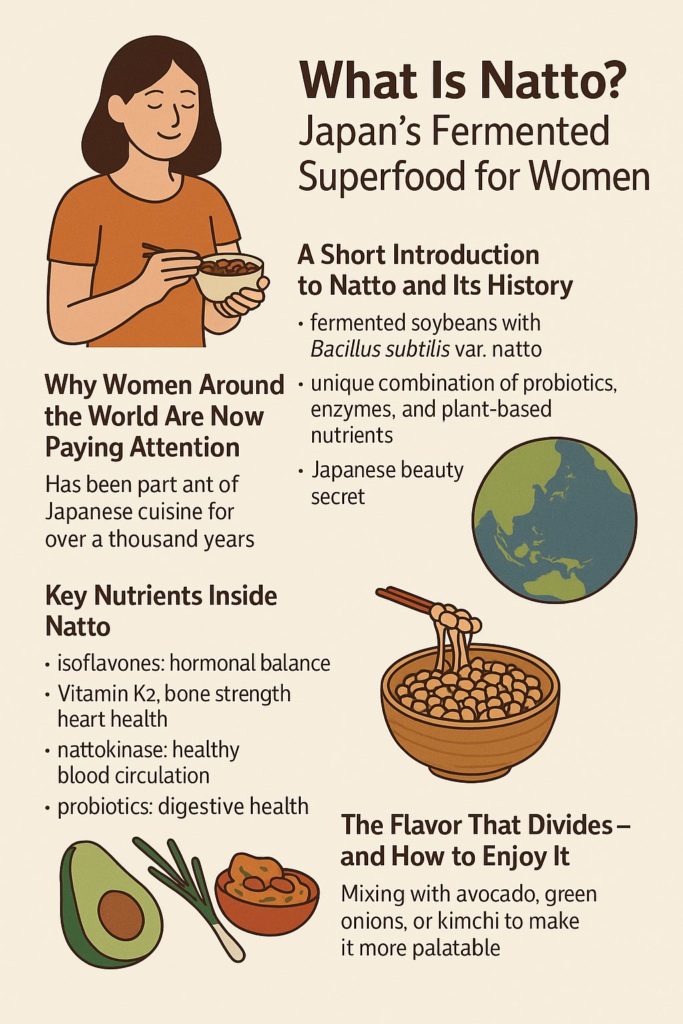
Natto (pronounced na-toh) is one of Japan’s oldest and most unique foods. It is made by fermenting soybeans with a special bacteria called Bacillus subtilis var. natto. This process gives natto its famous sticky texture, strong smell, and slightly nutty flavor. But behind that unusual appearance lies one of the most powerful natural foods for women’s wellness.
Natto has been part of Japanese cuisine for over a thousand years, with its roots tracing back to the samurai era. Legend says natto was discovered by accident — cooked soybeans were left wrapped in straw, and when opened days later, they had fermented naturally. People noticed that this new, sticky food not only tasted interesting but also made them feel healthier and more energetic.
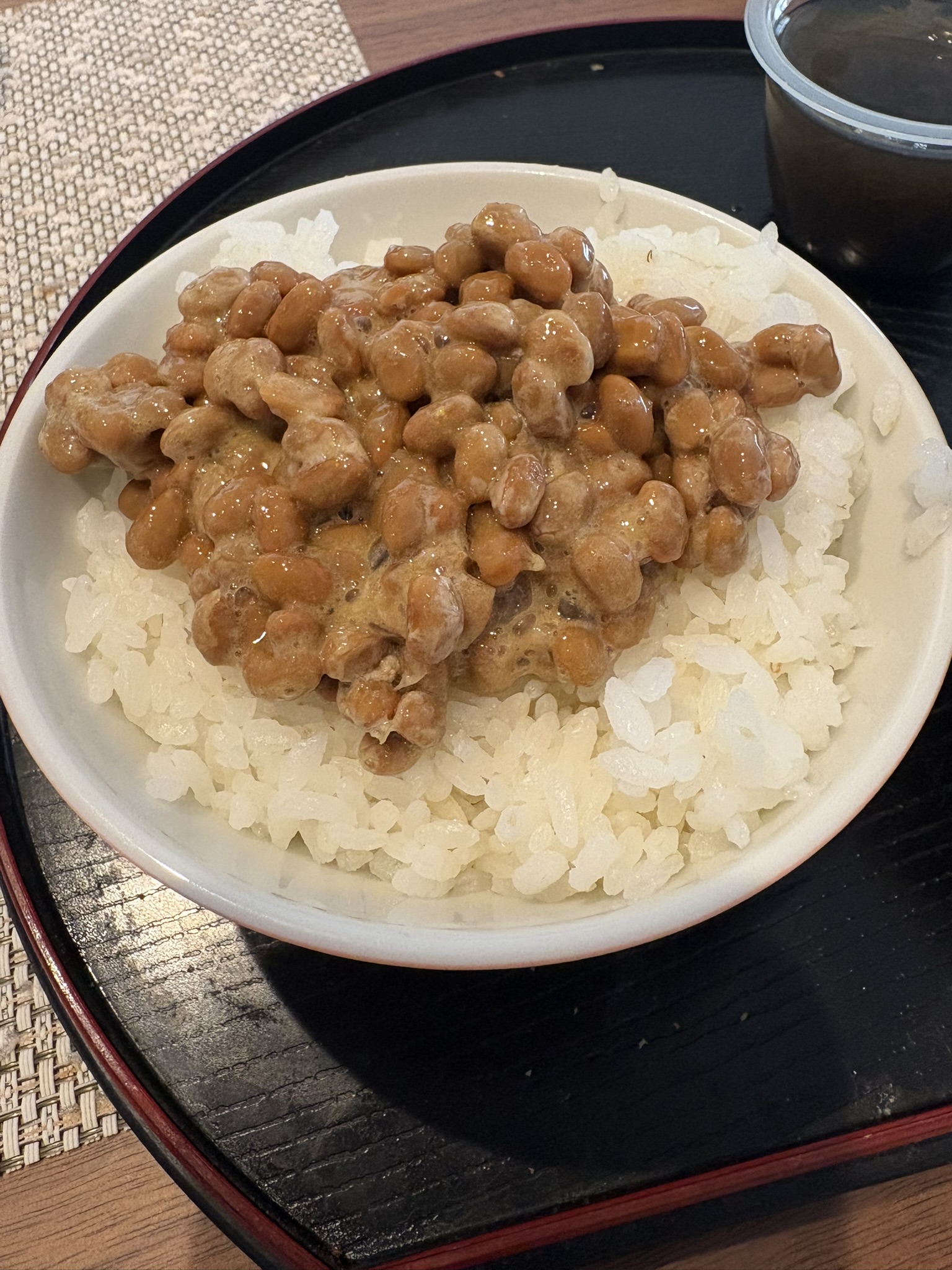
Over time, natto became a traditional breakfast food, especially in eastern Japan. Even today, many Japanese families enjoy natto with rice, miso soup, and green tea in the morning. It is seen not only as food but as a symbol of natural health and long life.
Why Women Around the World Are Now Paying Attention
In recent years, fermented foods like kimchi, kombucha, and kefir have gained worldwide attention for their gut health benefits. Among them, natto stands out for its unique combination of probiotics, enzymes, and plant-based nutrients that particularly support women’s health.
Western nutritionists and beauty experts now highlight natto as a “Japanese beauty secret”, linking it to smoother skin, better digestion, and hormonal balance. With the growing popularity of J-beauty and natural wellness, more women are discovering that this simple traditional food may be the missing piece in their daily routines.
Key Nutrients Inside Natto
Natto’s power lies in its fermentation process, which boosts the nutritional value of soybeans and makes key nutrients easier for the body to absorb. It is especially rich in isoflavones, plant-based compounds that act like mild forms of estrogen. For women, these help with hormonal balance, menstrual comfort, and menopausal relief. Isoflavones also support skin elasticity and hydration, giving a natural youthful glow.
Another key nutrient is Vitamin K2, often called the “forgotten vitamin.” It plays a vital role in bone strength and heart health by helping calcium go where it is needed — into the bones, not the arteries. For women, especially after their 30s, this helps prevent osteoporosis and maintain strong bones.
Natto also contains nattokinase, a natural enzyme unique to natto. This enzyme supports healthy blood circulation, helping oxygen and nutrients reach every part of the body. Improved blood flow means better energy, warmer hands and feet, and brighter skin.
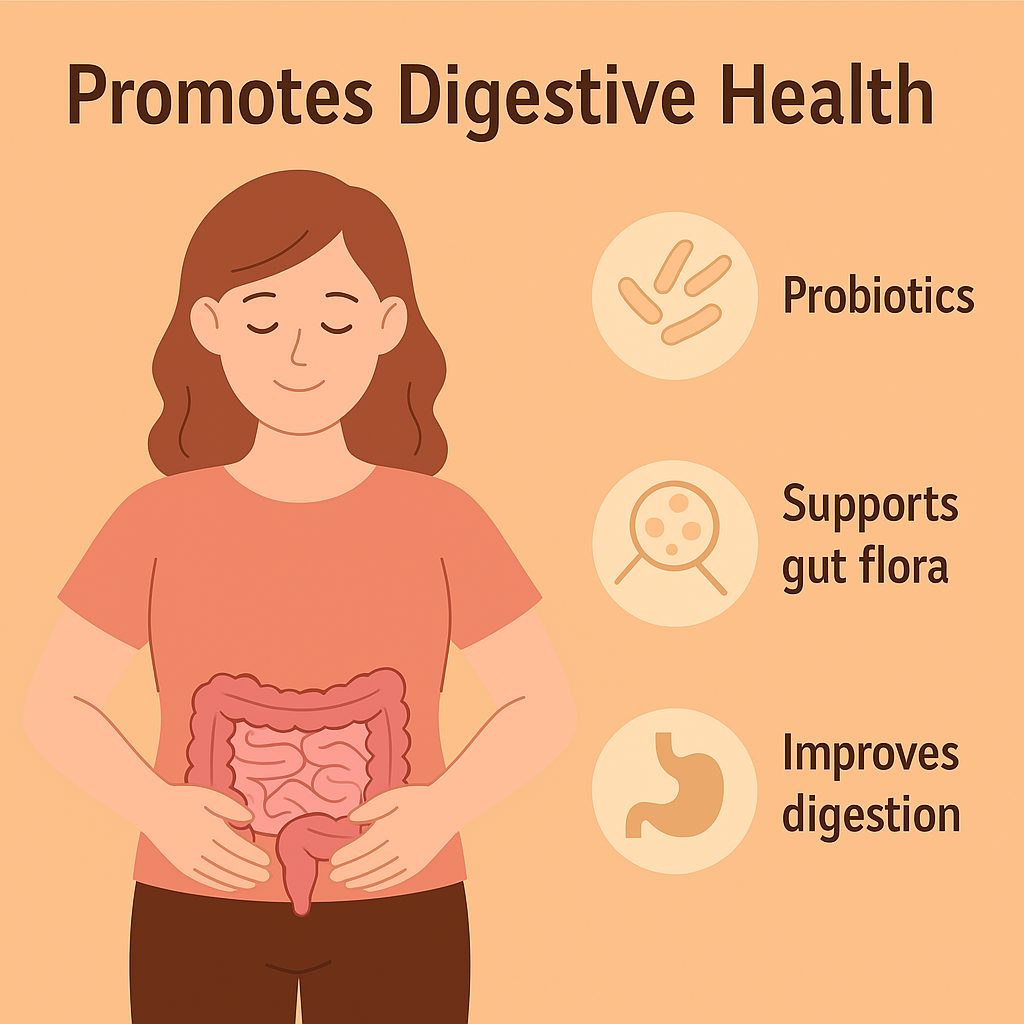
In addition, natto is full of probiotics, or good bacteria, which improve digestion and overall gut health. A balanced gut supports not just the stomach but also the mind — thanks to the gut-brain connection, which influences mood and stress levels. For women, this means reduced bloating, better nutrient absorption, and stronger immunity.
And finally, natto offers high-quality plant protein and fiber, which help maintain muscle tone, promote healthy hair and nails, and keep you full longer — all great for those focusing on weight management and healthy eating habits.
The Flavor That Divides — and How to Enjoy It
Of course, natto’s unique smell and sticky texture can be surprising at first. But once you learn how to enjoy it — mixed with soy sauce and mustard, or paired with rice — it becomes delicious in its own special way.
For beginners, adding toppings like avocado, green onions, or kimchi can make the flavor milder. Some people even blend natto into smoothies or miso soup to make it easier to eat every day. The key is to find a style you enjoy, because the health benefits are worth it.
A Tradition That Meets Modern Science
What makes natto truly fascinating is how it connects ancient wisdom and modern nutrition science. Japanese women have long believed that natto keeps them healthy and youthful, and today, scientific research supports many of those beliefs — from improving bone density to enhancing heart and gut health.
Natto is not just a traditional breakfast; it is a symbol of balance and longevity. It represents the harmony between body and nature, between the old and the new. By understanding its nutrients and history, we begin to see why this humble fermented soybean continues to play such an important role in women’s health — and why it’s becoming a global wellness trend today.
Skin, Hair, and Beauty Benefits: Why Natto Makes You Glow
Isoflavones and Estrogen-Like Effects for Radiant Skin
One of the main reasons natto is loved by women is because it contains isoflavones — natural plant compounds found in soybeans that act similarly to estrogen. Estrogen is a key hormone that keeps a woman’s skin smooth, elastic, and hydrated. When estrogen levels drop due to stress, age, or hormonal changes, skin can become dry, dull, or less firm.
By eating natto regularly, you give your body a gentle, plant-based source of estrogen-like compounds that help restore balance naturally. Many women who eat natto daily notice that their skin looks brighter and softer, and that dryness or dullness improves over time. This is not an instant “beauty trick,” but rather a long-term inner care approach — one that reflects the Japanese belief that beauty begins inside the body.
Isoflavones in natto also protect skin cells from oxidative stress, a main cause of wrinkles and aging. They help maintain collagen structure, which keeps skin bouncy and firm. In this way, natto works like a gentle, natural “anti-aging supplement” you can eat with your breakfast.
Vitamin K2 and Fermentation Power for Anti-Aging
Another secret ingredient that makes natto so powerful for beauty is Vitamin K2. This nutrient is rare in most diets but is naturally produced during the fermentation of natto. Vitamin K2 helps support bone and skin structure by working with calcium and collagen. Strong bones form the foundation for firm, youthful skin — especially around the cheeks and jawline.
But K2 doesn’t stop there. It also helps maintain healthy blood circulation, bringing oxygen and nutrients to the skin’s surface. Better circulation means rosier cheeks, even skin tone, and a natural, healthy glow. Many women describe the effect of natto as “brightening from within.”
Fermentation also produces beneficial enzymes and peptides that help reduce inflammation in the skin. This means fewer breakouts and calmer, more balanced skin, especially for women who experience acne related to hormonal changes or stress.
Hair and Nail Support from Protein and Vitamin B2
Your hair and nails are direct reflections of your diet. To keep them shiny and strong, your body needs enough protein, vitamins, and minerals — all of which natto provides.
Each serving of natto is rich in plant-based protein that helps build keratin, the main component of hair and nails. Meanwhile, Vitamin B2 supports energy production in cells, promoting faster hair growth and stronger nail formation. Regular natto eaters often report fewer split ends, better shine, and less breakage.
Because natto also improves circulation and nutrient delivery, it supports the scalp’s health — a key factor in hair growth. Instead of relying on expensive supplements or hair serums, this natural food nourishes your beauty from within.
Real-Life Tips: How Japanese Women Include Natto in Beauty Routines
In Japan, many women don’t think of natto as “beauty food” — it’s simply part of everyday life. But this daily habit makes a big difference over the years. A bowl of natto with rice in the morning gives the body amino acids, isoflavones, and probiotics that set up a healthy start to the day.
Some people enjoy natto with a raw egg yolk, avocado, or green onions to enhance its nutritional value. These ingredients add healthy fats, vitamin E, and antioxidants — a perfect combination for glowing skin.
You can also get creative with modern recipes. Blend natto into a miso soup, add it to tofu salads, or try it on top of whole-grain toast with a drizzle of olive oil. Eating natto doesn’t have to be traditional; what matters is consistency.
The Japanese approach to beauty is not about quick fixes but small habits done daily. Natto embodies this mindset. It’s simple, affordable, and time-tested — yet deeply effective. Each spoonful gives your body the tools it needs to heal, renew, and glow naturally.
The Beauty Philosophy Behind Natto
When we think of skincare, we often focus on creams and serums. But true, lasting beauty comes from inside — from what we feed our cells every day. Natto fits perfectly into this idea. It works slowly but steadily, supporting not just your skin, but also your hormones, your gut, and your overall vitality.
This is why many Japanese women see natto as more than food. It’s a ritual of self-care, something that connects them to nature and tradition while supporting modern beauty goals. With every serving, you nourish your body and respect its natural rhythm.
So if you’re looking for a simple yet powerful way to care for your skin and body, start by adding a small pack of natto to your breakfast. It might smell strong at first, but soon you’ll understand why it’s called the secret behind Japan’s timeless beauty.
Hormonal Balance, PMS, and Menopause: The Inside-Out Effect
Isoflavones for Hormonal Harmony
One of the greatest natto benefits for women is its ability to help balance hormones naturally. This is because natto contains isoflavones, plant-based compounds that act like gentle forms of estrogen. Unlike synthetic hormones or supplements, isoflavones work slowly and softly with your body, helping restore balance from within.
Estrogen plays a key role in many aspects of a woman’s health — from regulating menstrual cycles to maintaining bone strength and skin elasticity. When estrogen levels drop, whether from stress, diet, or aging, women may experience mood swings, fatigue, or irregular periods. By eating natto regularly, you provide your body with a steady, natural source of plant estrogen, supporting hormonal harmony without side effects.
Women who eat fermented soy products like natto often report fewer PMS symptoms, such as cramps, irritability, and bloating. The balance of hormones also helps stabilize mood and energy levels throughout the month. It’s not a magic cure, but rather a quiet, steady support for your body’s natural rhythm — a kind of harmony that modern life often disrupts.
Supporting Female Reproductive Health Naturally
Natto’s benefits go beyond hormones — it also supports overall reproductive health. The combination of isoflavones, Vitamin K2, and high-quality protein helps strengthen tissues, improve circulation, and promote nutrient delivery to the reproductive organs.
A healthy blood flow means better oxygen and nutrient supply to the uterus and ovaries. This can contribute to more comfortable menstrual cycles and overall reproductive well-being. For women planning pregnancy, natto offers folate, iron, and other essential nutrients that prepare the body for conception in a gentle and natural way.
Natto’s fermentation process also enhances its absorption, meaning your body can use its nutrients more efficiently. It is a simple food with deep effects — one that nurtures the foundation of womanhood itself.
For Pregnant or Breastfeeding Women — Is Natto Safe?
Many mothers-to-be and breastfeeding women wonder if it’s safe to eat natto during pregnancy. The good news is that natto is generally safe and beneficial when eaten in moderation. It provides plant-based protein, calcium, and probiotics — all of which are important for both mother and baby.
The probiotics in natto can help reduce constipation, a common issue during pregnancy, by keeping the gut healthy. Its Vitamin K2 supports bone development in both mother and child, while isoflavones promote hormonal balance and emotional stability.
However, as with any food, balance is key. It’s best to eat one small serving (40–50 g) per day, and to check with your doctor if you have specific health conditions or are taking blood-thinning medications, as natto is naturally rich in Vitamin K.
Natto can also be an excellent postpartum food, helping mothers regain strength, balance hormones, and support milk production. It’s easy to digest, inexpensive, and deeply nourishing — a quiet ally during a transformative time in a woman’s life.
Mental Wellness Benefits — The Gut-Brain Connection
The saying “you are what you eat” takes on a deeper meaning with natto. Scientists have found that the gut and brain are connected through a network called the gut-brain axis. When your gut is healthy, it sends positive signals to your brain, helping regulate mood, reduce stress, and even improve sleep.
Because natto is rich in probiotics and enzymes, it helps maintain a balanced gut microbiome. A healthy gut means fewer digestive problems, more stable energy, and a calmer mind. This is especially helpful for women who experience emotional ups and downs during PMS or menopause.
Eating natto regularly may help you feel more centered — not only physically, but emotionally. It’s a gentle reminder that food can be medicine, and that harmony inside the body reflects harmony in the mind.
The Inside-Out Transformation
Hormonal changes can often feel like losing control — of your mood, your energy, or your skin. But instead of fighting these shifts, natto teaches a softer approach: working with your body’s natural flow rather than against it.
Japanese women have long understood that true wellness starts with consistency and nourishment, not restriction or extremes. A small bowl of natto each morning may not seem like much, but over time it builds inner strength — balancing hormones, calming the mind, and helping your body adapt to life’s changes.
Natto is more than a superfood; it’s a symbol of quiet balance in a fast-paced world. With its mix of tradition and science, it shows that even the simplest foods can bring deep healing — not just to the body, but to the heart and spirit as well.
Gut Health, Digestion, and Weight Control: The Silent Power of Natto
Probiotics and Natto Bacteria for a Healthy Gut
One of the most powerful yet quiet effects of natto lies in the way it supports your gut health. Natto is rich in Bacillus subtilis var. natto, a beneficial bacterium created during fermentation. These bacteria help maintain a balanced gut microbiome — the community of good and bad bacteria living in your intestines.
A healthy gut is the foundation of good health for women. It not only aids digestion but also strengthens the immune system, supports mood stability, and even influences hormone balance. When your gut bacteria are out of balance, you may experience bloating, fatigue, constipation, or skin problems. By eating natto regularly, you supply your body with probiotics that help restore that balance naturally.
Unlike many probiotic supplements, natto’s bacteria can survive the journey through the stomach and reach the intestines alive. Once there, they create enzymes that help break down food, absorb nutrients, and cleanse the digestive system. This is why many Japanese people consider natto a “morning reset” — it gently activates the stomach after a night’s rest, preparing the body for the day.
Natto and Constipation Relief for Women
Constipation is one of the most common health concerns among women, often caused by hormonal changes, stress, or lack of fiber. Natto provides a natural solution through its combination of fiber, enzymes, and friendly bacteria.
The fiber in natto adds bulk to the stool and promotes regular bowel movements, while its enzymes help break down food more efficiently. Meanwhile, the Bacillus subtilis bacteria help produce short-chain fatty acids, which nourish the cells lining the gut and keep digestion smooth.
This combination makes natto a gentle yet effective food for those who want to improve gut rhythm without harsh laxatives. Regular consumption can help reduce bloating, promote detoxification, and leave you feeling lighter and more energized.
Weight Management: Low-Calorie and High-Protein
Many women look for foods that can help manage weight in a sustainable way — not through extreme diets, but through balanced nutrition. Natto fits perfectly into this approach. It’s naturally low in calories but high in protein and fiber, which makes it both filling and nourishing.
Protein helps stabilize blood sugar levels and reduces sudden hunger spikes. Fiber slows digestion, helping you feel full for longer periods. Together, they prevent overeating and keep cravings under control. In Japan, many people enjoy natto in the morning because it provides long-lasting energy without heaviness.
Natto also contains vitamin B2 and enzymes that help break down fats and carbohydrates, supporting a healthy metabolism. And because it’s fermented, it’s easier to digest than plain soybeans — making it a perfect option for those with sensitive stomachs.
Eating natto regularly can also have a subtle emotional benefit. When your digestion is smooth and your gut is happy, your mood improves naturally. This balance of body and mind is a key part of sustainable wellness and weight control — something that fad diets often fail to achieve.
When and How to Eat Natto for Maximum Effect
Timing and pairing can make a big difference in how your body uses natto’s nutrients. In Japan, natto is most commonly eaten for breakfast. Starting your day with natto helps “wake up” your digestion and sets a balanced tone for your gut.
If you prefer to eat it later, dinner is also a good time — especially if you want to support overnight digestion and detox. The probiotics in natto continue to work while you sleep, keeping your system clean and active.
As for combinations, pairing natto with rice, vegetables, or miso soup creates a nutrient-rich and satisfying meal. The rice provides energy, while the miso and vegetables add more probiotics and fiber. You can also add vinegar, chopped onions, or seaweed to enhance flavor and promote digestion.
For those who want to boost metabolism, try adding a small portion of natto to salads, tofu bowls, or brown rice dishes. If the smell or stickiness bothers you, mixing natto into warm soup or using it as a topping for stir-fried vegetables can make it easier to enjoy daily.
The Silent Power of Balance
Natto doesn’t shout its benefits — it works quietly in the background, improving your gut, your mood, and your metabolism day by day. This is why many Japanese people see it not as a “superfood trend” but as an everyday companion for long-term health.
When your digestion improves, your whole body changes. You feel lighter, your skin clears up, and your energy becomes steady. It’s the kind of transformation that happens gently, not overnight — the kind that lasts.
In a world full of extreme diets and quick fixes, natto offers a different path: balance. It teaches patience, mindfulness, and the power of small daily habits. By caring for your gut, you care for every part of yourself — from your skin to your mind. And that is the true silent power of natto.
How to Start: Easy Ways to Enjoy Natto Every Day
Best Pairings and Flavor Ideas for Beginners
If you’re new to natto, the smell and sticky texture can feel like a challenge — but don’t worry. Once you find your favorite way to eat it, natto quickly becomes a delicious and satisfying habit.
The simplest way to enjoy natto is to mix it with a small amount of soy sauce and mustard. Stir it well until the texture becomes fluffy and light, then pour it over warm rice. The heat brings out the aroma and makes it smoother to eat.
For a modern twist, many Japanese women like to add avocado, green onions, or a raw egg yolk. The creaminess of avocado and richness of egg blend beautifully with natto’s umami flavor. You can also add kimchi or seaweed for a spicy, tangy kick — both of which add extra probiotics for gut health.
If you prefer something lighter, try natto on top of tofu, mixed into salads, or wrapped in lettuce leaves. For a western-style option, spread natto on whole-grain toast with a drizzle of olive oil and sliced tomatoes. The combination of fermented soybeans and healthy fats makes a great beauty breakfast.
Don’t be afraid to experiment. Like coffee or cheese, natto is an acquired taste — once you get used to it, you’ll start craving it.
International Alternatives if You Can’t Find Natto
If natto isn’t available where you live, you can still enjoy similar health benefits from other fermented soy foods.
- Miso: Rich in probiotics and great for soups and marinades.
- Tempeh: A firmer, nutty-tasting fermented soy product popular in Indonesia.
- Soy yogurt or fermented tofu: Gentle on the stomach and rich in plant protein.
These alternatives won’t have exactly the same enzymes as natto — especially nattokinase and Bacillus subtilis — but they share many of the same gut and hormone-supporting nutrients. Combining them with a diet full of fiber, vegetables, and whole grains can help you build a similar balance.
Still, if you ever visit Japan or an Asian grocery store, give natto a try. You might be surprised at how quickly it becomes part of your morning routine.
How Much to Eat — and Who Should Avoid It
The good news is, you don’t need a lot of natto to enjoy its benefits. A small pack (about 40–50 grams) a day is enough for most people. That’s roughly one serving — about the size of your palm.
Natto is generally safe for everyone, but there are a few cases where caution is needed. Because it’s high in Vitamin K2, people who take blood-thinning medications (like warfarin) should consult a doctor before adding natto to their diet.
If you have soy allergies, look for non-soy fermented foods such as sauerkraut or kombucha instead. For most women, however, natto is a safe, nutritious, and affordable way to support hormonal balance, bone strength, and digestive health.
Final Thoughts: From Tradition to Trend
Natto is more than a superfood — it’s a symbol of balance, patience, and care. It teaches us that true wellness doesn’t come from quick fixes, but from small, consistent habits that nourish us day by day.
For centuries, Japanese women have trusted natto to keep their bodies strong, their skin glowing, and their hearts calm. And now, women around the world are rediscovering this quiet miracle of fermented soybeans.
Start small. Maybe just one pack in the morning, or a few times a week. Mix it with rice, avocado, or kimchi — make it your own. With time, you’ll not only get used to it but also start to feel its gentle power from within.
In every spoonful, natto offers a lesson: that beauty and health are not about perfection, but about harmony — the kind that grows slowly, naturally, and stays with you for life.