- 1. Ohori Park
- 2. Fukuoka Castle Ruins
- 3. Canal City Hakata
- 4. Kushida Shrine
- 5. Nakasu
- 6. Dazaifu Tenmangu
- 7. Kyushu National Museum
- 8. Hakata Ramen Street
- 9. Momochi Seaside Park – A Relaxing Beachfront Escape in Fukuoka
- 10. Fukuoka Tower
- 11. Yusentei Park
- 12. Nokonoshima Island Park
- 13. Marinoa City Fukuoka
- 14. Fukuoka Art Museum
- 15. Tenjin Underground Shopping Mall
- 16. Sumiyoshi Shrine
- 17. Yanagawa
- 18. Tochoji Temple
- 19. Fukuoka City Museum
- 20. Shofukuji Temple
1. Ohori Park
Ohori Park is a beautiful and tranquil public park located in the heart of Fukuoka. Designed around a large central pond, the park offers peaceful walking paths, charming bridges, and scenic views, making it a favorite spot for both locals and visitors. You can enjoy a relaxing boat ride on the lake, stroll along the picturesque garden, or visit the adjacent Fukuoka Art Museum.
The park is also known for its seasonal beauty, particularly during cherry blossom season in the spring and the vibrant autumn colors. Whether you’re looking for a peaceful escape or a place to exercise, Ohori Park offers a perfect balance of nature and urban convenience.
2. Fukuoka Castle Ruins
The Fukuoka Castle Ruins, located in Maizuru Park, offer a fascinating glimpse into the region’s feudal history. Once the largest castle in Kyushu, Fukuoka Castle was built in the early 17th century by Kuroda Nagamasa, a prominent warlord. While much of the original structure no longer remains, visitors can explore the impressive stone walls, gates, and remnants of the castle towers.
The castle grounds also offer beautiful views of Fukuoka city, particularly from the observation points. In spring, the park becomes a popular cherry blossom viewing spot, adding to its charm. For history enthusiasts and nature lovers, the Fukuoka Castle Ruins are a serene and culturally enriching place to visit.
3. Canal City Hakata
Canal City Hakata is a massive shopping and entertainment complex in Fukuoka, often referred to as a “city within a city.” Its unique design features an artificial canal running through the center, surrounded by a variety of shops, restaurants, cafes, and entertainment venues.
Visitors can enjoy everything from high-end fashion to local souvenirs, as well as delicious dining options that showcase Fukuoka’s famous ramen at the Ramen Stadium. The complex also hosts live performances, fountains, and light shows, making it a vibrant destination for all ages. Whether shopping, dining, or just relaxing, Canal City offers a complete experience in the heart of Fukuoka.
4. Kushida Shrine

Kushida Shrine is one of Fukuoka’s most important Shinto shrines, known for its deep historical significance and role in the famous Hakata Gion Yamakasa festival. Founded in 757, the shrine is dedicated to the gods of longevity and protection, and it serves as a spiritual heart of the city.
Visitors can admire its stunning architecture, including the Kakueimon Gate, and see the beautifully decorated yamakasa floats used during the festival in July. With its serene atmosphere and cultural importance, Kushida Shrine offers a peaceful retreat and a glimpse into Fukuoka’s vibrant traditions.
5. Nakasu
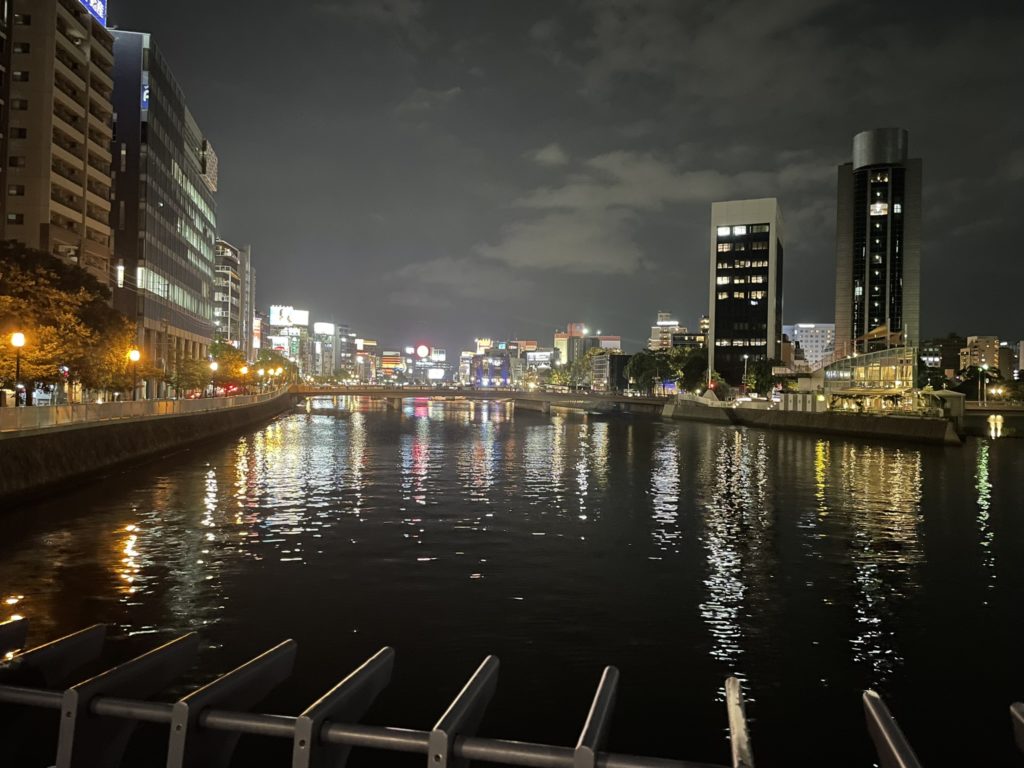
Nakasu is Fukuoka’s premier entertainment district, located on an island between the Naka and Hakata rivers. Known for its vibrant nightlife, Nakasu is home to a wide variety of restaurants, bars, and nightclubs, making it a popular destination for both locals and tourists.
The area is especially famous for its yatai, or open-air food stalls, where you can enjoy Fukuoka’s local dishes such as ramen, yakitori, and motsunabe. The neon lights, lively atmosphere, and riverside views make Nakasu a must-visit spot for anyone looking to experience the energetic spirit of Fukuoka at night.
6. Dazaifu Tenmangu
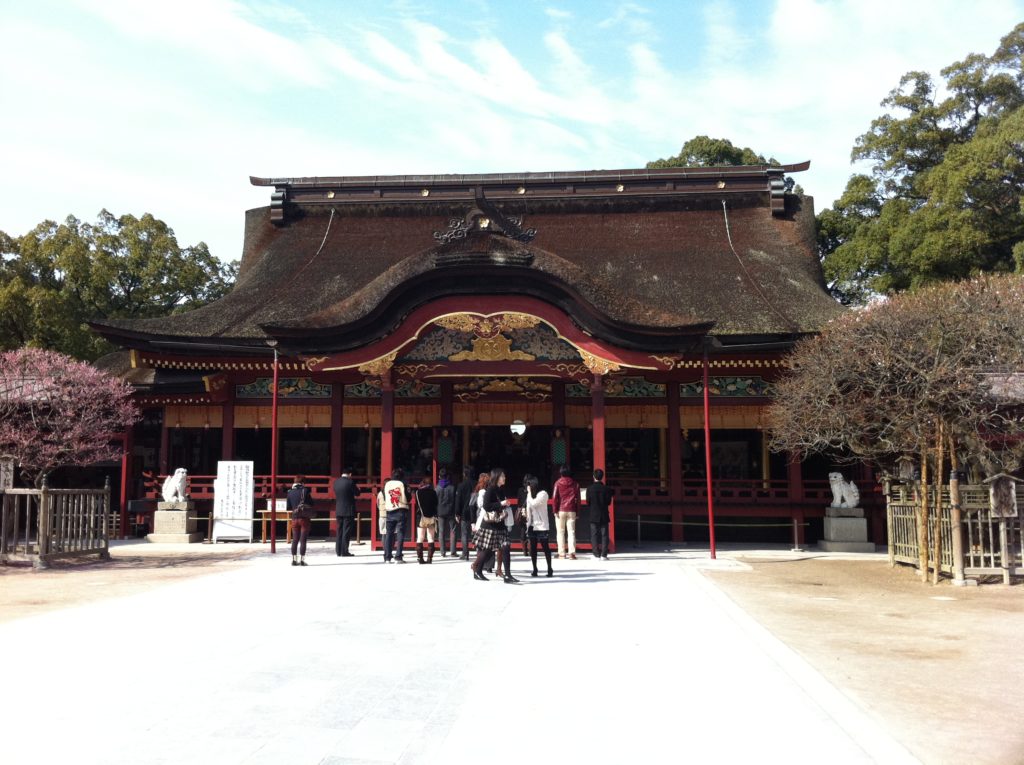
Dazaifu Tenmangu is one of Japan’s most important Shinto shrines, located in Dazaifu, Fukuoka. The shrine is dedicated to Sugawara no Michizane, the deity of learning and scholarship, and is a popular destination for students praying for academic success.
The beautiful grounds are filled with serene gardens, seasonal flowers, and iconic red bridges. Visitors can also enjoy the tranquil atmosphere and explore the surrounding shops selling local specialties like ume plum sweets. With its deep cultural and historical significance, Dazaifu Tenmangu is a must-visit for those seeking spiritual insight and a peaceful retreat.
7. Kyushu National Museum
The Kyushu National Museum, located in Dazaifu, Fukuoka, is one of Japan’s premier cultural institutions. It stands out for its striking modern architecture and its focus on the history and cultural connections between Japan and the rest of Asia. The museum offers fascinating exhibits on Japan’s ancient history, artifacts, and its interactions with neighboring countries through trade and diplomacy.
The permanent exhibition highlights key moments in Japan’s development, while special exhibits often showcase rare and significant treasures. Whether you’re a history enthusiast or just curious about Japan’s rich heritage, the Kyushu National Museum offers a deep and engaging experience in an impressive setting.
8. Hakata Ramen Street
Located within Canal City Hakata, Ramen Stadium is a must-visit destination for ramen lovers. This unique food court brings together famous ramen shops from all over Japan, offering a wide variety of regional ramen styles under one roof. From Fukuoka’s rich tonkotsu (pork broth) ramen to other specialties like miso and shoyu ramen, Ramen Stadium provides an opportunity to taste the best ramen Japan has to offer.
With its lively atmosphere and endless ramen options, Ramen Stadium is the perfect place to experience the rich diversity of one of Japan’s most beloved dishes.
| business hours | 10:00-21:00 |
| Adress | 1-2, Sumiyoshi, Hakata-ku, Fukuoka-city, Fukuoka Prefecture |
| HP | トップページ | ラーメンスタジアム|キャナルシティ博多 (canalcity.co.jp) |
9. Momochi Seaside Park – A Relaxing Beachfront Escape in Fukuoka
Momochi Seaside Park is a beautiful urban beach located along the coast of Fukuoka, offering a perfect escape from the city’s hustle and bustle. With its clean, sandy shores and scenic views of Fukuoka Tower, it’s a great spot for both relaxation and fun activities like beach volleyball, swimming, and watersports.
The park also features a variety of cafes and restaurants, making it a popular spot for both locals and tourists to enjoy the ocean breeze. Whether you’re looking to unwind by the sea or explore nearby attractions like Fukuoka Tower, Momochi Seaside Park offers a refreshing break in the heart of the city.
10. Fukuoka Tower
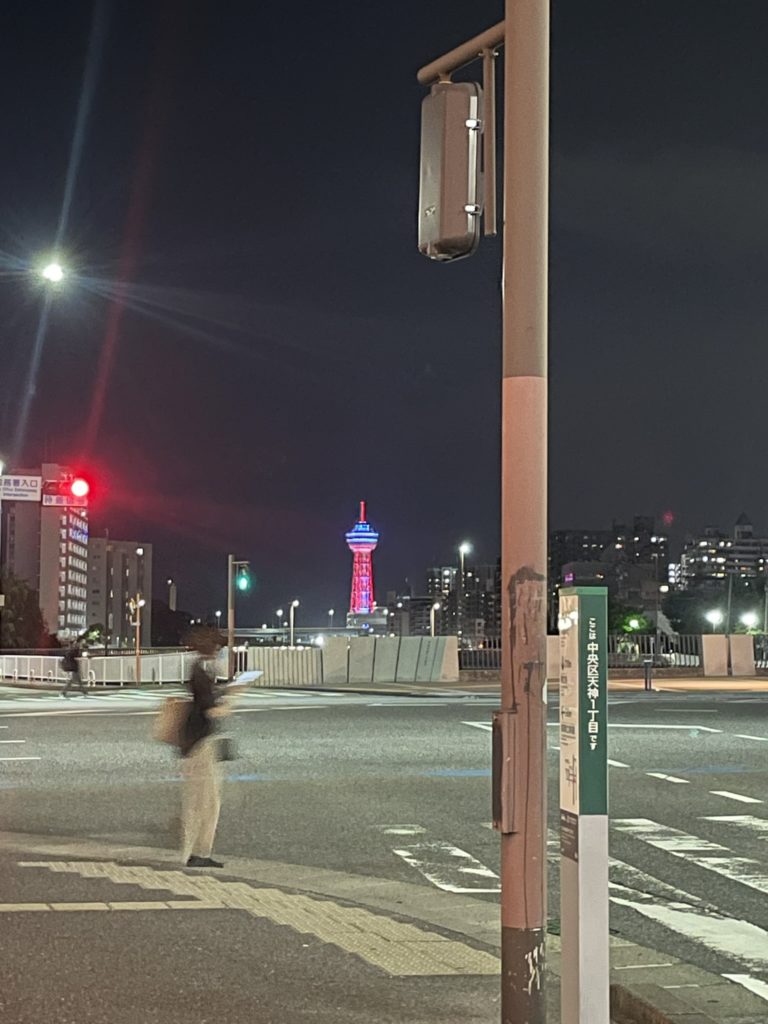
Fukuoka Port Tower is a striking 103-meter-tall structure located in the Hakata Bay area, offering panoramic views of Fukuoka City and its surroundings. The tower’s observation deck, situated at 70 meters, provides a breathtaking 360-degree view of landmarks such as Fukuoka Tower, Momochi Seaside Park, and the bustling port.
With its modern design and illuminated exterior at night, Fukuoka Port Tower is a favorite destination for both daytime sightseeing and enjoying the city’s nightscape. It’s a perfect spot for photography and a peaceful escape to appreciate Fukuoka’s urban and natural beauty from above.
11. Yusentei Park
Yusentei Park is a serene and beautifully landscaped Japanese garden located in Fukuoka. Originally built as a retreat for a feudal lord in the Edo period, the park features a traditional shoin-style residence surrounded by lush greenery, a peaceful pond, and picturesque walking paths.
The tranquil atmosphere and carefully designed garden make it a perfect spot for relaxing and enjoying nature. Visitors can also experience traditional tea ceremonies while overlooking the scenic views of the garden. For those seeking a quiet escape in Fukuoka, Yusentei Park offers a perfect blend of history, culture, and natural beauty.
12. Nokonoshima Island Park
Nokonoshima Island Park is a stunning nature park located on Nokonoshima Island, just a short ferry ride from Fukuoka. Famous for its seasonal flower gardens, the park offers breathtaking views of colorful blooms throughout the year, including cherry blossoms in spring, sunflowers in summer, and cosmos in autumn.
Visitors can enjoy leisurely walks, scenic picnic spots, and panoramic views of Hakata Bay and the surrounding islands. With its peaceful atmosphere and natural beauty, Nokonoshima Island Park is a perfect getaway for nature lovers and families looking to experience Fukuoka’s outdoor charm.
13. Marinoa City Fukuoka
Marinoa City Fukuoka is one of the largest outlet shopping malls in Kyushu, located along the scenic Fukuoka waterfront. The mall features a wide range of brand-name outlets, offering great deals on fashion, accessories, and home goods. In addition to shopping, Marinoa City boasts attractions like the Fukuoka Sky Wheel, a giant Ferris wheel that offers stunning views of the ocean and city.
With its mix of shopping, dining, and entertainment options, Marinoa City is a popular destination for both locals and tourists looking for a relaxing day by the sea. It’s the perfect spot for enjoying some retail therapy while taking in the coastal beauty of Fukuoka.
14. Fukuoka Art Museum
The Fukuoka Art Museum, located in Ohori Park, is one of Fukuoka’s premier cultural institutions. The museum showcases a wide range of artworks, from traditional Japanese and Asian art to modern and contemporary pieces by international artists. Highlights include classical Buddhist sculptures, tea ceremony artifacts, and works by renowned artists like Salvador Dalí and Andy Warhol.
With its beautiful setting in Ohori Park and its diverse collection, the Fukuoka Art Museum offers a perfect balance of culture, history, and creativity for art lovers and curious visitors alike.
15. Tenjin Underground Shopping Mall
Tenjin Underground Shopping Mall, located in the heart of Fukuoka, is a sprawling underground shopping area filled with over 150 stores, cafes, and boutiques. The stylishly designed passageway, with its elegant European-inspired architecture, offers everything from fashion and accessories to gourmet food and cosmetics.
Spanning several blocks beneath the bustling Tenjin district, this underground street is a perfect place to shop, dine, or simply explore, especially on rainy days. Whether you’re looking for the latest trends or a cozy cafe, Tenjin Underground Shopping Street provides a chic and convenient shopping experience in Fukuoka.
16. Sumiyoshi Shrine
Sumiyoshi Shrine in Fukuoka is one of Japan’s oldest and most important Shinto shrines, dedicated to the Sumiyoshi deities, protectors of sailors and travelers. Known for its serene atmosphere and traditional Sumiyoshi-zukuri architecture, the shrine is a peaceful retreat within the city.
Visitors can explore the beautifully maintained grounds, featuring a large main hall, tranquil paths, and centuries-old trees. The shrine is especially popular among those seeking blessings for safe travel and success in their endeavors. With its deep historical roots and spiritual significance, Sumiyoshi Shrine is a must-visit cultural site in Fukuoka.
17. Yanagawa

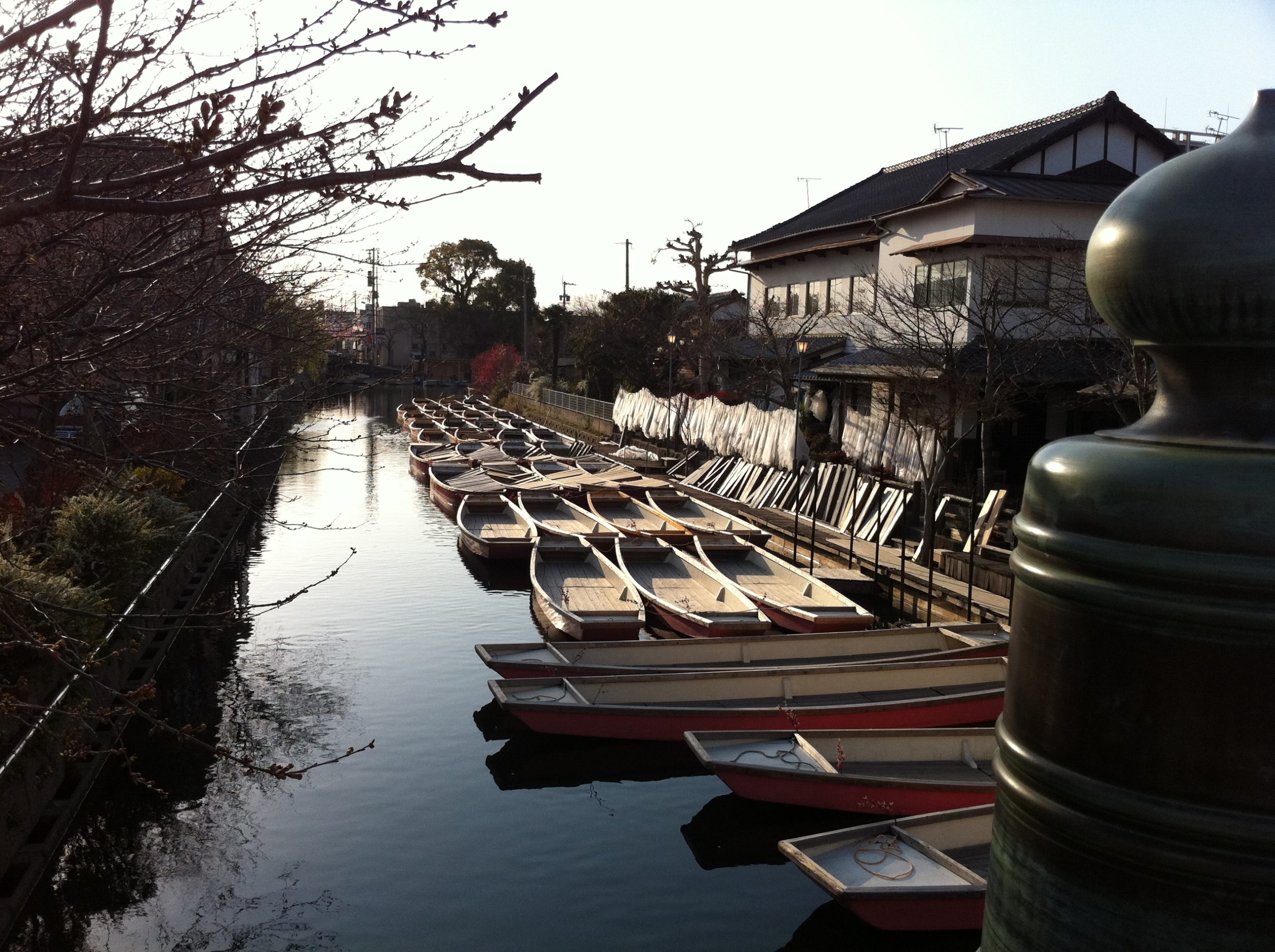
Yanagawa, located in Fukuoka Prefecture, is a picturesque city often referred to as the “Venice of Japan” due to its network of scenic canals. The city is famous for its traditional donkobune boat tours, where visitors can relax and enjoy the beautiful views of the canals, lined with weeping willows and historic buildings.
Yanagawa is also known for its cultural heritage, including the former residence of poet Kitahara Hakushu. Visitors can savor local cuisine, such as the famous unagi no seiromushi (steamed eel) while exploring the town’s peaceful and charming atmosphere. With its blend of history, nature, and tradition, Yanagawa offers a serene escape from the hustle of city life.
18. Tochoji Temple
Tochoji Temple, located in the heart of Fukuoka, is one of the city’s oldest and most significant Buddhist temples. Founded in 806 by the famous monk Kobo Daishi, the temple is known for its massive wooden statue of the Great Buddha of Fukuoka, one of the largest seated Buddha statues in Japan.
The temple grounds also feature a stunning five-story pagoda and a serene atmosphere perfect for reflection. Visitors can also explore the Hell and Heaven Tunnel, which offers a unique and symbolic journey through the afterlife. Tochoji Temple is a must-visit for those seeking both cultural and spiritual experiences in Fukuoka.
19. Fukuoka City Museum
Fukuoka City Museum offers a fascinating glimpse into the history, culture, and heritage of Fukuoka and the Kyushu region. One of the museum’s main highlights is the Golden Seal, a national treasure that dates back to 57 AD, symbolizing Japan’s early connections with China.
In addition to its impressive historical artifacts, the museum showcases exhibits on the city’s development, local festivals, and international trade history. With its interactive displays and informative exhibits, Fukuoka City Museum is a must-visit destination for anyone interested in exploring the rich cultural tapestry of Fukuoka and its role in Japan’s history.
20. Shofukuji Temple
Shofukuji Temple, located in Fukuoka, is Japan’s first official Zen temple, founded in 1195 by the revered monk Eisai, who introduced Zen Buddhism to Japan from China. The temple is known for its serene atmosphere, traditional Zen architecture, and beautiful gardens that provide a peaceful escape from the busy city.
While the main hall is not open to the public, visitors can stroll through the tranquil temple grounds, surrounded by towering trees and carefully maintained landscapes. As the birthplace of Zen Buddhism in Japan, Shofukuji holds a special place in Japanese religious history and offers a quiet retreat for those seeking reflection and serenity.
These spots offer a diverse range of experiences, from historical and cultural insights to modern entertainment and natural beauty, making Fukuoka a vibrant destination for travelers.