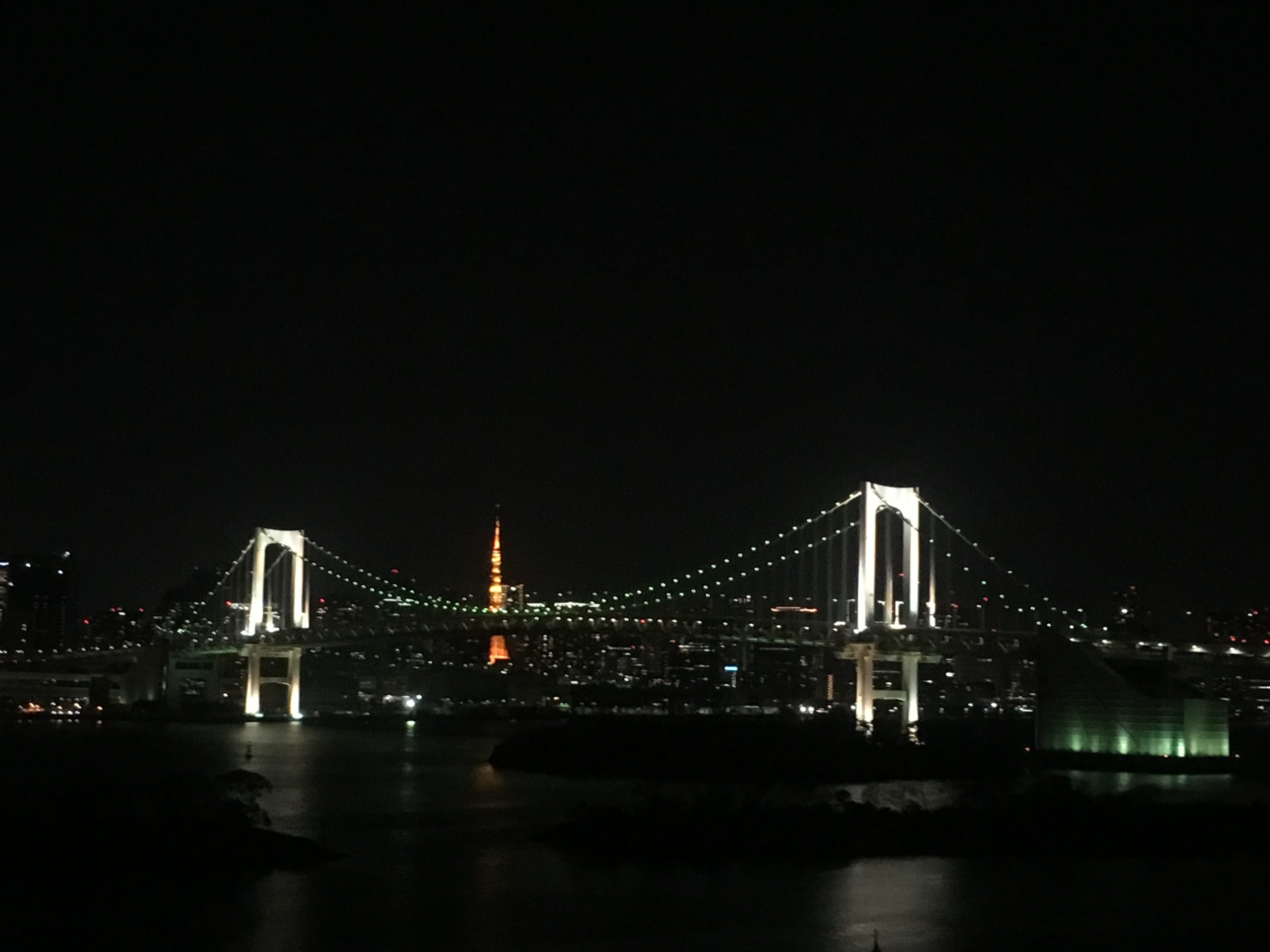
- 1. Tokyo Tower
- 2. Senso-ji Temple
- 3. Meiji Shrine
- 4. Shibuya Scramble Crossing
- 5. Shinjuku Gyoen National Garden
- 6. Harajuku and Takeshita Street
- 7.Tokyo Disneyland and Tokyo Disney Sea
- 8. Ginza
- 9. Ueno Parl and Ueno Zoo
- 10. Akihabara
- 11. Roppongi Hills
- 12. Tsukiji Outer Market
- 13. Odaiba
- 14. Imperial Palace and East Gardens
- 15. Tokyo Skytree
- 16. Yoyogi Park
- 17. Ameya-Yokocho Market
- 18. Kabukicho
- 19. Asakusa Hanayashiki
- 20. Hamarikyu Gardens
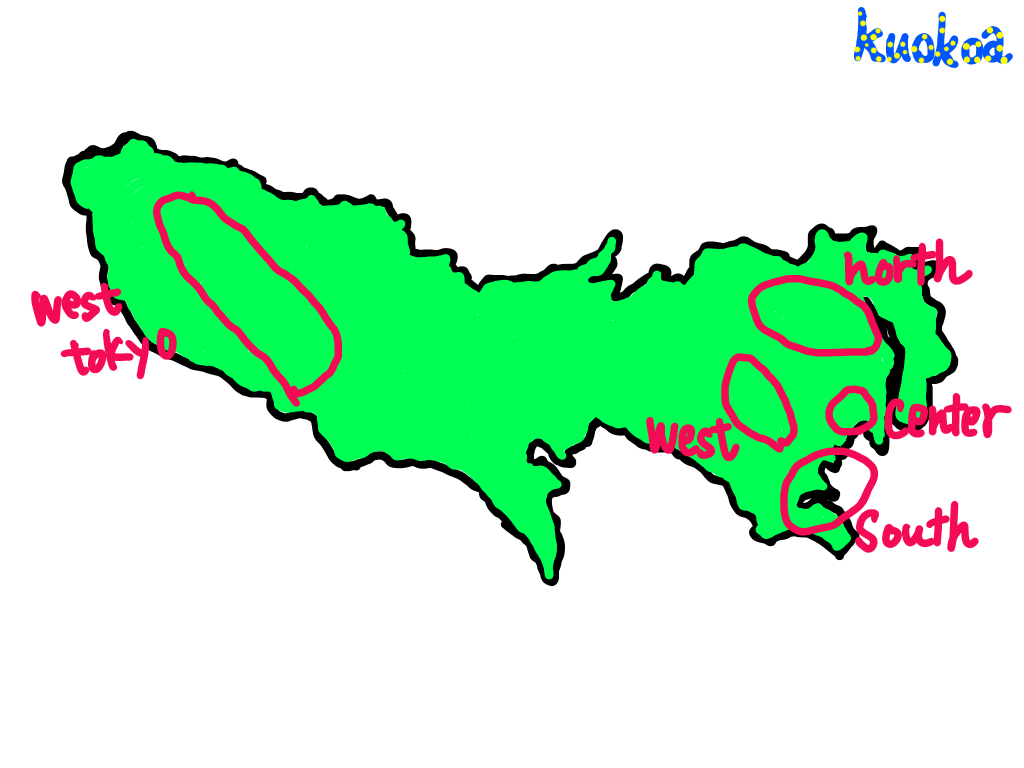
1. Tokyo Tower
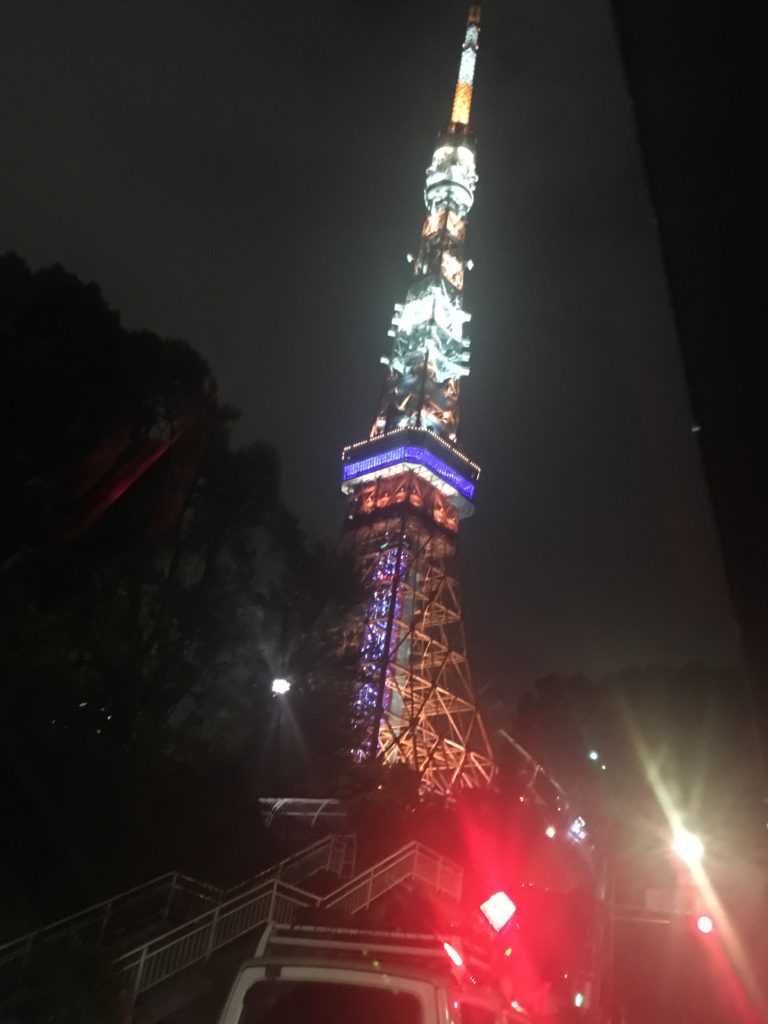
Tokyo Tower, standing at 333 meters tall, is one of Tokyo’s most iconic landmarks. Built in 1958, it was inspired by the Eiffel Tower and symbolizes Japan’s post-war recovery and modernization. Located in the Minato district, the tower serves as both a television broadcasting tower and a popular tourist destination.
Visitors can enjoy panoramic views of Tokyo from its two observation decks. The Main Deck at 150 meters provides stunning views of the city, while the Top Deck at 250 meters offers a breathtaking, bird’s-eye perspective of Tokyo’s skyline, with clear views of Mount Fuji on a sunny day.
2. Senso-ji Temple
Senso-ji, located in the heart of Asakusa, is Tokyo’s oldest and most significant Buddhist temple. Founded in 645 AD, it is dedicated to the bodhisattva Kannon, the Goddess of Mercy. The temple’s iconic Kaminarimon (Thunder Gate), with its giant red lantern, welcomes millions of visitors every year.
Beyond the gate, you’ll find Nakamise Street, a bustling shopping avenue filled with traditional snacks and souvenirs leading up to the temple’s main hall. Senso-ji is not only a spiritual hub but also a cultural treasure, showcasing the historical charm of Tokyo. The temple grounds, especially during festivals like Sanja Matsuri, are lively and atmospheric, offering a unique glimpse into both old and modern Japan.
A visit to Senso-ji is a must for anyone exploring Tokyo’s rich history and culture.
3. Meiji Shrine
Meiji Jingu is one of Tokyo’s most important Shinto shrines, dedicated to Emperor Meiji and Empress Shoken. Nestled within a peaceful forested area in Shibuya, this serene sanctuary offers a tranquil escape from the city’s hustle and bustle. Built in 1920, Meiji Jingu is a symbol of Japan’s modernization and its reverence for traditional values.
Visitors enter through the grand torii gates and follow a path through the lush forest leading to the shrine’s main hall, where people offer prayers for good fortune. Meiji Jingu is also famous for traditional Shinto weddings, and you may spot couples dressed in traditional attire during your visit.
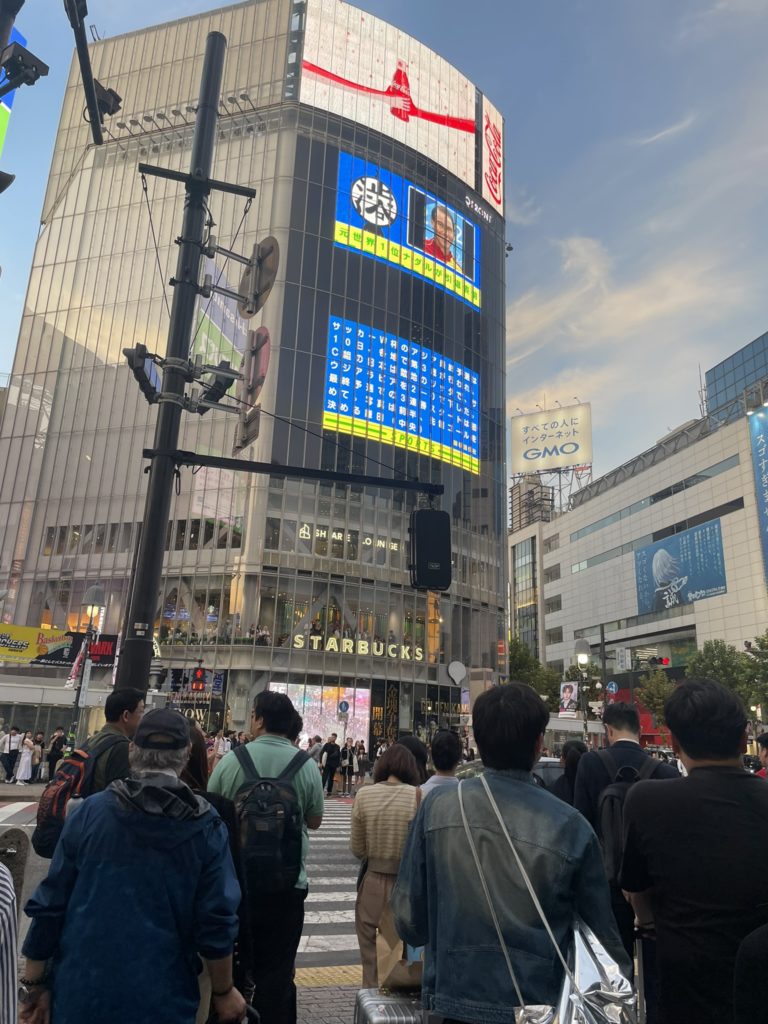
4. Shibuya Scramble Crossing
The Shibuya Scramble Crossing is one of the busiest and most famous pedestrian crossings in the world. Located just outside Shibuya Station, it symbolizes Tokyo’s vibrant energy and fast-paced lifestyle. With hundreds of people crossing from all directions every time the light changes, it’s a thrilling sight that reflects the dynamic nature of the city.
Surrounded by towering buildings, neon lights, and giant video screens, the crossing is a must-visit spot for anyone exploring Tokyo. It’s also a popular place for photos and offers a great view from the cafes in nearby buildings like Shibuya 109 or the Shibuya Sky observation deck. Whether day or night, the Shibuya Scramble Crossing is an iconic experience of Tokyo’s urban culture.
5. Shinjuku Gyoen National Garden
Shinjuku Gyoen is one of Tokyo’s largest and most beautiful parks, offering a peaceful escape from the city’s bustling streets. Originally a feudal lord’s garden during the Edo period, it became an imperial garden before opening to the public in 1949. The park features a stunning blend of traditional Japanese, French, and English garden landscapes.
Shinjuku Gyoen is particularly famous for its cherry blossoms, attracting visitors every spring for hanami (cherry blossom viewing). The park’s serene ponds, seasonal flowers, and wide open spaces make it an ideal spot for a leisurely stroll or picnic.
6. Harajuku and Takeshita Street
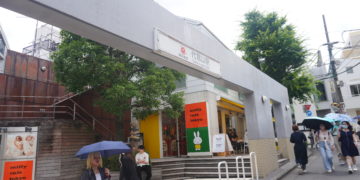
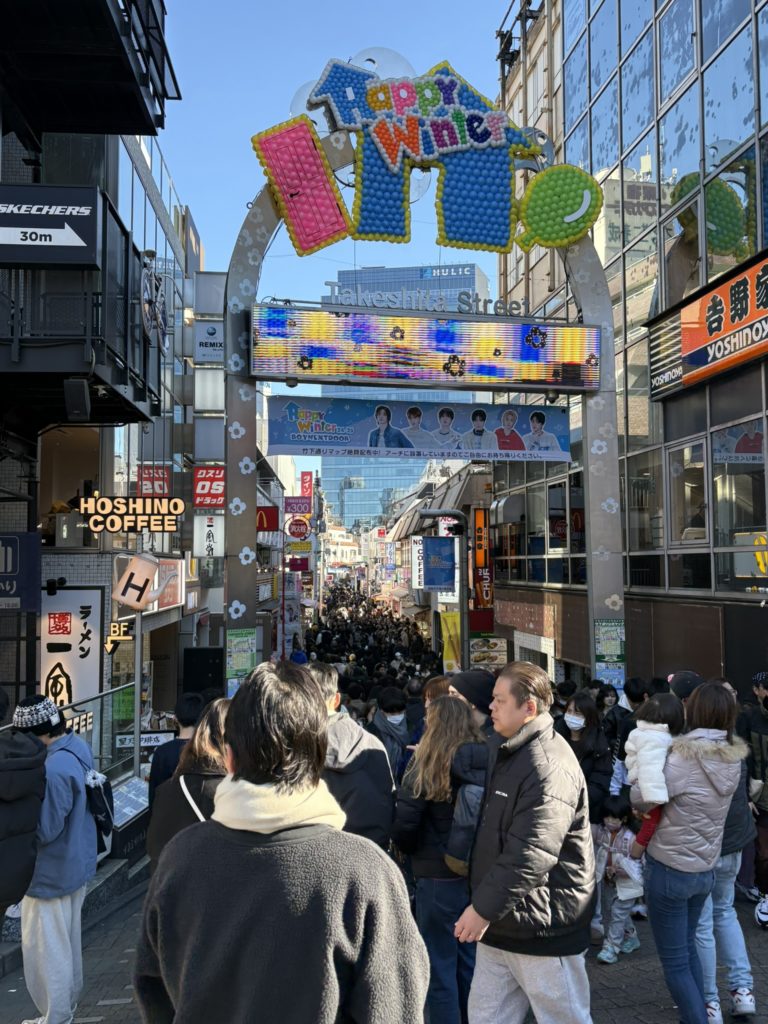
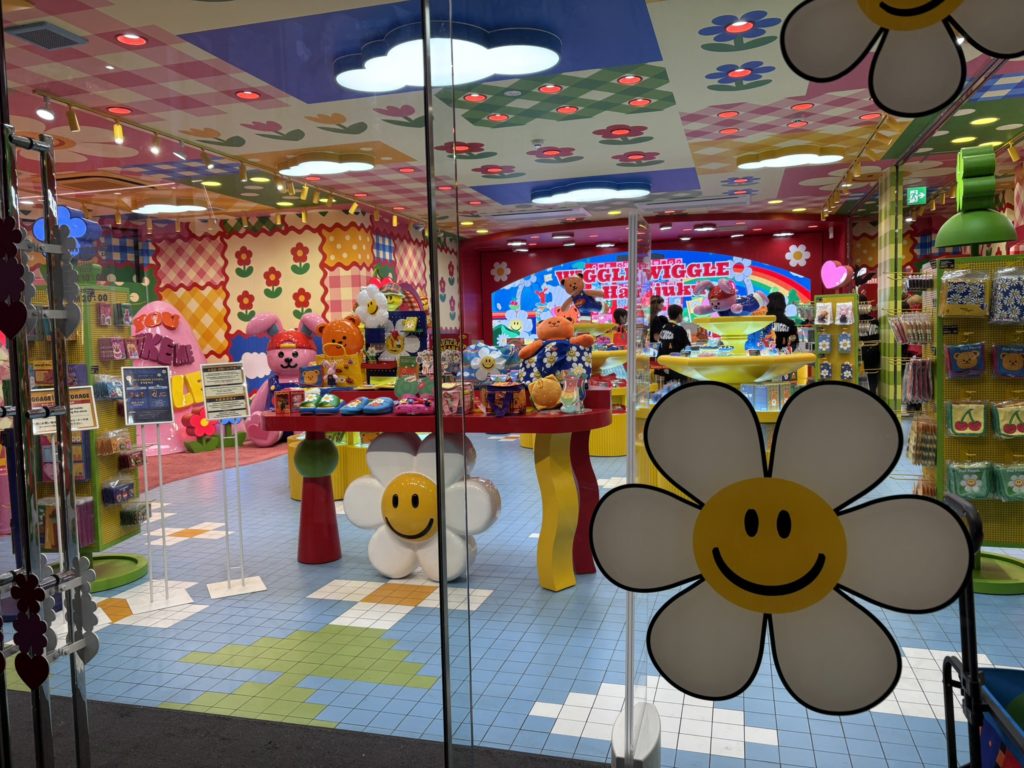
Harajuku, located between Shibuya and Shinjuku, is Tokyo’s vibrant center of youth culture and cutting-edge fashion. It’s known for its eclectic street style, quirky shops, and trendy cafes. At the heart of Harajuku is Takeshita Street, a bustling pedestrian street lined with colorful boutiques, trendy clothing stores, and unique accessories shops.
Takeshita Street is famous for its quirky fashion, where you’ll find everything from kawaii (cute) outfits to the latest streetwear trends. It’s also a hotspot for delicious street food like crepes, rainbow cotton candy, and other Instagram-worthy treats.
7.Tokyo Disneyland and Tokyo Disney Sea
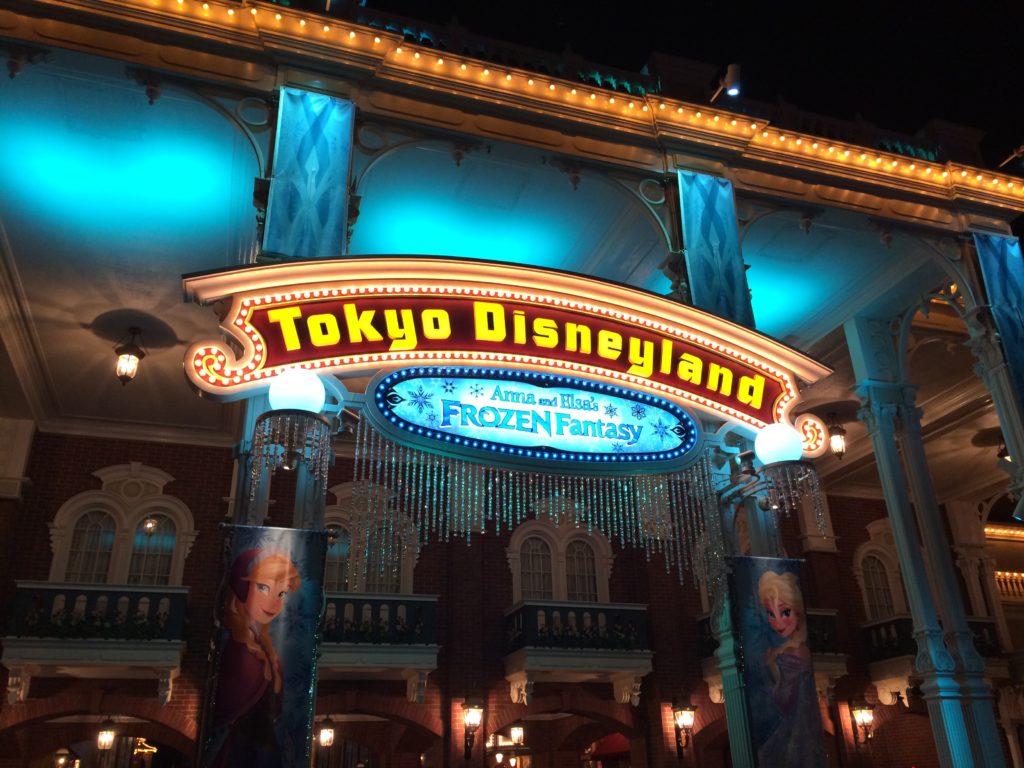
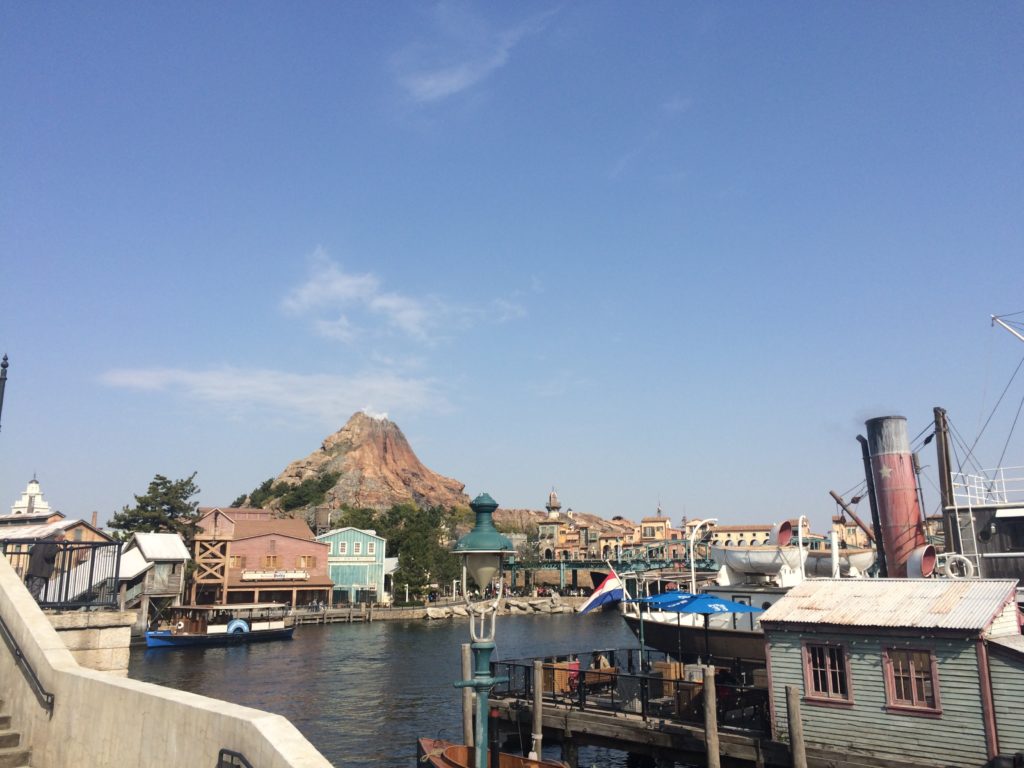
Tokyo Disneyland and Tokyo DisneySea are two of Japan’s most beloved and iconic theme parks, located in Urayasu, just outside of Tokyo. Both parks offer a unique and magical experience, but each has its own distinct charm.
Tokyo Disneyland, modeled after the original Disneyland in California, is filled with classic Disney attractions, parades, and characters. It’s perfect for families and Disney fans who want to experience the magic of beloved Disney films, with lands like Fantasyland, Adventureland, and Tomorrowland.
Tokyo DisneySea is the only Disney park of its kind in the world, offering a more adventurous and sophisticated atmosphere. Inspired by myths, legends, and ocean exploration, DisneySea features seven themed ports, including the Mediterranean Harbor, Arabian Coast, and Mysterious Island. With thrilling rides, breathtaking shows, and stunning water-themed scenery, it’s a favorite for both kids and adults.
8. Ginza
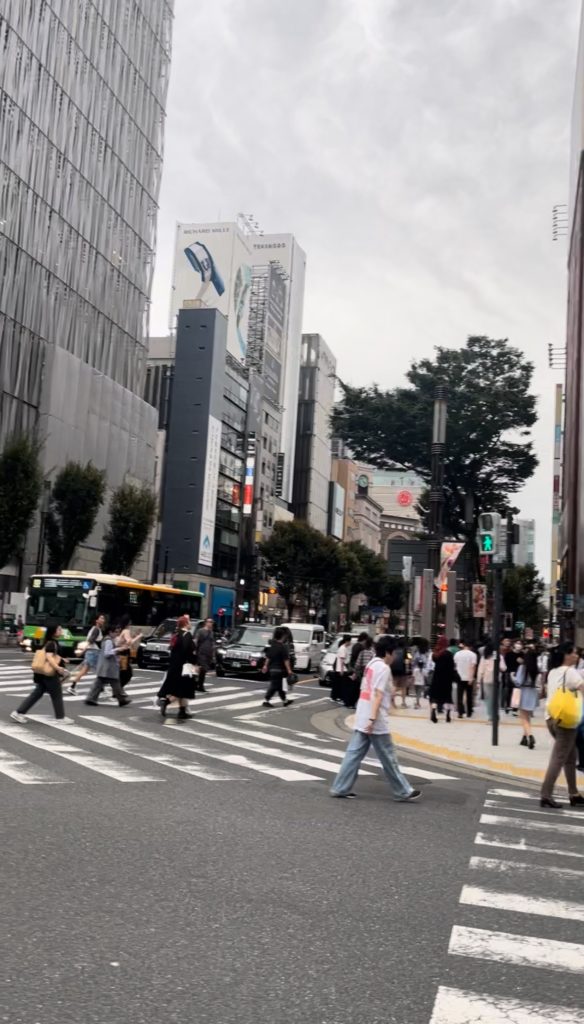
Ginza is Tokyo’s most upscale shopping, dining, and entertainment district, known for its luxury boutiques, department stores, and sophisticated atmosphere. Located in the heart of the city, Ginza is home to flagship stores of world-renowned brands like Chanel, Louis Vuitton, and Gucci, as well as high-end Japanese department stores such as Mitsukoshi and Wako.
In addition to shopping, Ginza offers some of the best dining experiences in Tokyo, from Michelin-starred restaurants to traditional sushi and kaiseki meals. The district also has a rich cultural side, with art galleries, theaters, and historic landmarks like the Kabukiza Theatre, where you can watch traditional Japanese kabuki performances.
9. Ueno Parl and Ueno Zoo
Ueno Park is one of Tokyo’s largest and most beloved public parks, offering a peaceful escape from the city’s hustle and bustle. Known for its beautiful cherry blossoms in spring, the park is also home to several important cultural institutions, including the Tokyo National Museum, Ueno Toshogu Shrine, and the Tokyo Metropolitan Art Museum. It’s the perfect spot for a leisurely stroll, a picnic, or a cultural day out.
At the heart of Ueno Park is Ueno Zoo, Japan’s oldest zoo, established in 1882. The zoo is famous for its giant pandas, as well as a wide variety of animals from around the world. With its beautiful landscapes and educational exhibits, Ueno Zoo offers a fun and family-friendly experience for all ages.
10. Akihabara
Akihabara, often called “Electric Town,” is Tokyo’s hub for electronics, anime, and gaming culture. Located near central Tokyo, Akihabara is famous for its countless shops selling the latest gadgets, computers, and appliances. But beyond electronics, Akihabara is also a paradise for otaku (pop culture enthusiasts), with stores specializing in anime, manga, and video games.
Visitors can explore multi-story buildings filled with collectibles, figurines, and cosplay costumes, and even enjoy themed experiences at maid cafes or arcades.
11. Roppongi Hills
Roppongi Hills is one of Tokyo’s most prestigious urban developments, offering a blend of luxury shopping, fine dining, and world-class entertainment. Located in the heart of Roppongi, the complex is anchored by the iconic Mori Tower, which houses offices, restaurants, and the Mori Art Museum, known for its contemporary art exhibitions. Visitors can also enjoy panoramic views of Tokyo from the Tokyo City View observation deck at the top of the tower.
12. Tsukiji Outer Market
Tsukiji Outer Market is a bustling food paradise located near the former site of the famous Tsukiji Fish Market. While the inner wholesale market moved to Toyosu, the outer market remains vibrant and offers an authentic glimpse into Tokyo’s rich culinary culture. Visitors can explore narrow streets lined with stalls and small shops selling fresh seafood, sushi, Japanese kitchenware, and a variety of traditional foods.
It’s a perfect spot for food lovers to sample fresh sushi, sashimi, grilled seafood, tamagoyaki (Japanese omelette), and more. The market also offers ingredients and snacks to take home, making it a must-visit for anyone looking to experience Japan’s dynamic food scene.
Whether you’re hunting for fresh seafood or local delicacies, Tsukiji Outer Market offers a lively and delicious Tokyo experience.
13. Odaiba
Odaiba is a futuristic entertainment hub located on a man-made island in Tokyo Bay. Known for its cutting-edge architecture and waterfront attractions, Odaiba offers something for everyone. Visitors can enjoy shopping at massive complexes like DiverCity Tokyo Plaza and Aqua City, relax on the seaside beach park, or visit iconic attractions like the Giant Unicorn Gundam Statue and the futuristic Fuji TV Building.

14. Imperial Palace and East Gardens
The Imperial Palace, located in the heart of Tokyo, is the residence of Japan’s Emperor and a symbol of the nation’s deep history and culture. While the inner grounds are generally closed to the public, the Imperial Palace East Gardens are open year-round, offering visitors a peaceful retreat from the bustling city.
The East Gardens are beautifully landscaped with lush greenery, ponds, and seasonal flowers, along with remnants of the original Edo Castle walls and guardhouses. It’s a serene place to explore and enjoy a tranquil walk, while also getting a glimpse into Japan’s royal past.
15. Tokyo Skytree
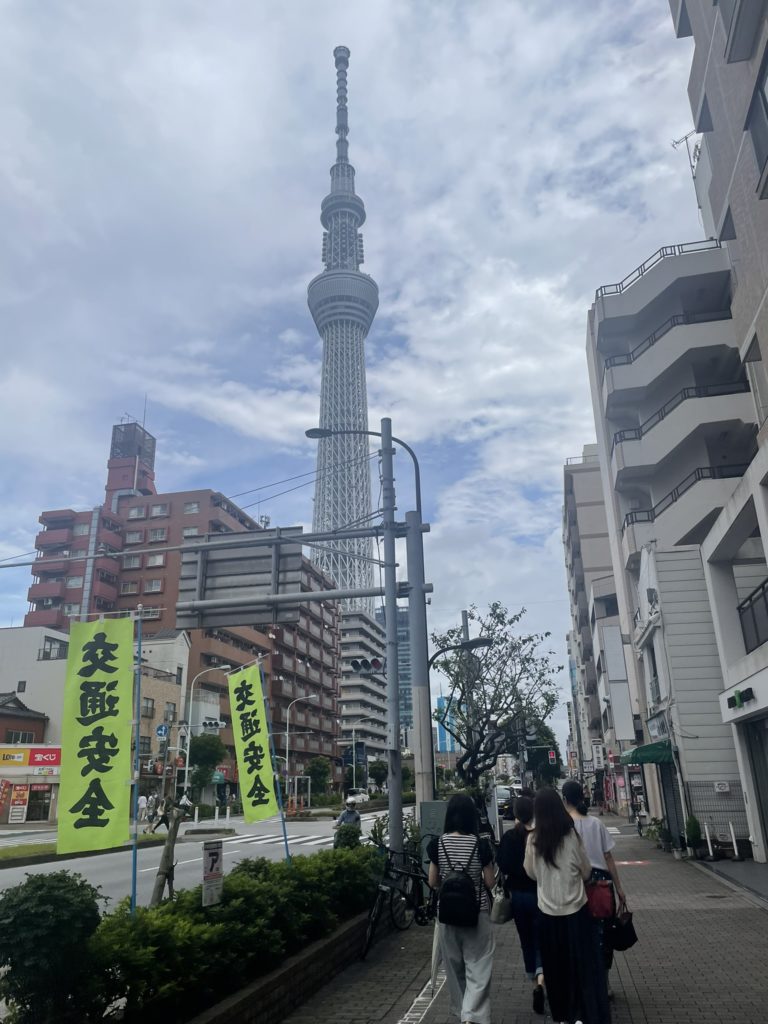
“Tokyo Skytree”, standing at 634 meters, is the tallest structure in Japan and a symbol of modern Tokyo. Located in the Sumida district, it serves as a broadcasting tower and a popular tourist destination. Visitors can enjoy breathtaking, panoramic views of Tokyo from two observation decks—the Tembo Deck at 350 meters and the Tembo Galleria at 450 meters.
Skytree also houses a shopping complex, Tokyo Solamachi, with numerous restaurants, shops, and an aquarium.
16. Yoyogi Park

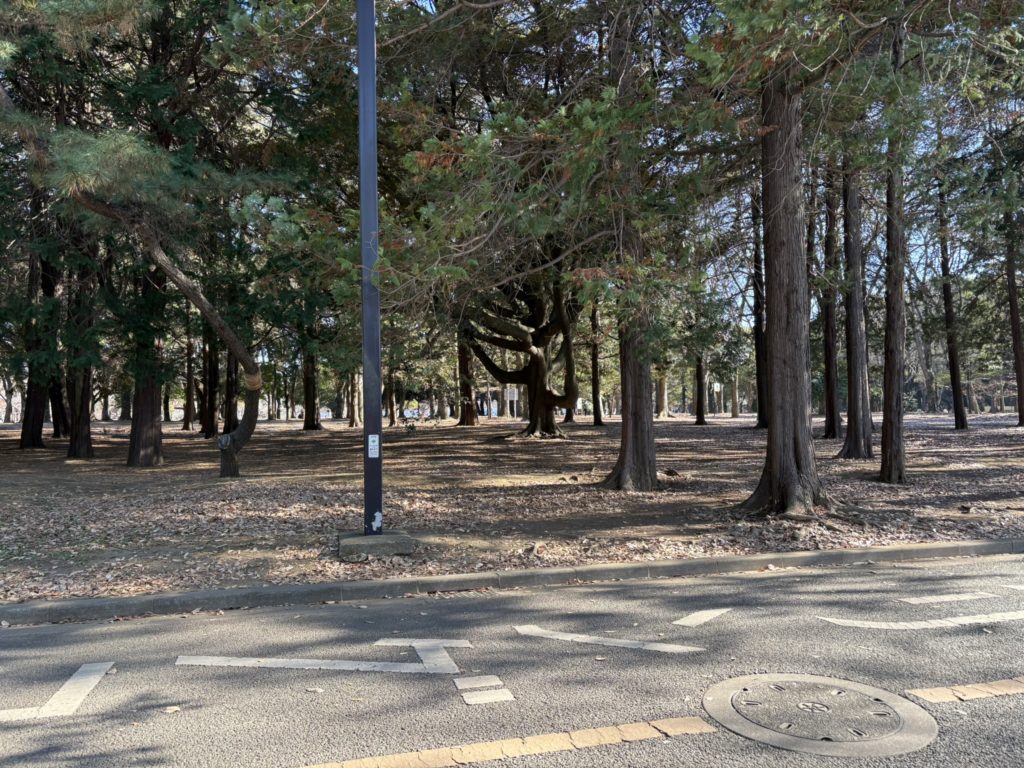
“Yoyogi Park” is one of Tokyo’s largest and most popular parks, offering a peaceful retreat in the heart of the city. Located near Harajuku and Shibuya, the park is a favorite spot for picnics, jogging, and outdoor activities. With its vast open spaces, lush greenery, and seasonal cherry blossoms, It is a year-round destination for both locals and visitors.
On weekends, the park comes alive with street performers, musicians, and cultural events, making it a vibrant place to experience Tokyo’s diverse atmosphere. Whether you’re looking to relax or enjoy the lively energy of the city, It is the perfect urban escape.
17. Ameya-Yokocho Market
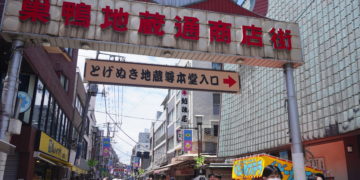
Ameya-Yokocho, or Ameyoko, is a lively street market located between Ueno and Okachimachi stations in Tokyo. Known for its bustling atmosphere and bargain shopping, Ameyoko offers everything from fresh seafood, snacks, and spices to clothing, cosmetics, and accessories.
Once a black market after World War II, today it’s a popular destination for both locals and tourists looking for great deals and authentic Japanese street food. You can sample delicious treats like yakitori, takoyaki, and taiyaki while exploring the market’s narrow alleys.
18. Kabukicho
Kabukicho, located in Shinjuku, is Tokyo’s most famous entertainment and nightlife district. Known as the “Sleepless Town,” it’s filled with neon lights, restaurants, bars, nightclubs, and entertainment venues. Kabukicho offers a unique blend of lively nightlife, with everything from karaoke bars and izakayas to themed cafes and movie theaters.
While Kabukicho has a reputation for its bustling nightlife, it also offers unique attractions like the Robot Restaurant and Shinjuku’s Samurai Museum, giving visitors a mix of modern entertainment and traditional culture.
19. Asakusa Hanayashiki
Hanayashiki, located in the heart of Asakusa, is Japan’s oldest amusement park, dating back to 1853. Despite its long history, Hanayashiki remains a beloved attraction for both locals and tourists. The park offers a nostalgic charm with its retro rides, including a classic roller coaster, a Ferris wheel, and traditional Japanese attractions.
Perfect for families and those looking to experience a piece of Tokyo’s past, Hanayashiki blends a fun atmosphere with a touch of history. Its location near Senso-ji Temple makes it easy to enjoy a day of cultural sightseeing and amusement park fun in one trip.
Hanayashiki is a must-visit for those seeking a unique and charming experience in Tokyo!
20. Hamarikyu Gardens
Hama Rikyu Gardens is a beautiful, historic landscape garden located in central Tokyo, near the bustling Shiodome district. Once a feudal lord’s residence during the Edo period, the garden features meticulously designed ponds, tidal seawater pools, and serene walking paths. It offers a peaceful retreat from the city, with stunning seasonal flowers and traditional teahouses where visitors can enjoy matcha and sweets.
With views of Tokyo’s modern skyline in the background, Hama Rikyu Gardens perfectly blends the old and new, making it a must-visit spot for nature lovers and history enthusiasts alike.
These spots provide a comprehensive experience of Tokyo, blending its rich history, cultural heritage, and cutting-edge modern attractions.