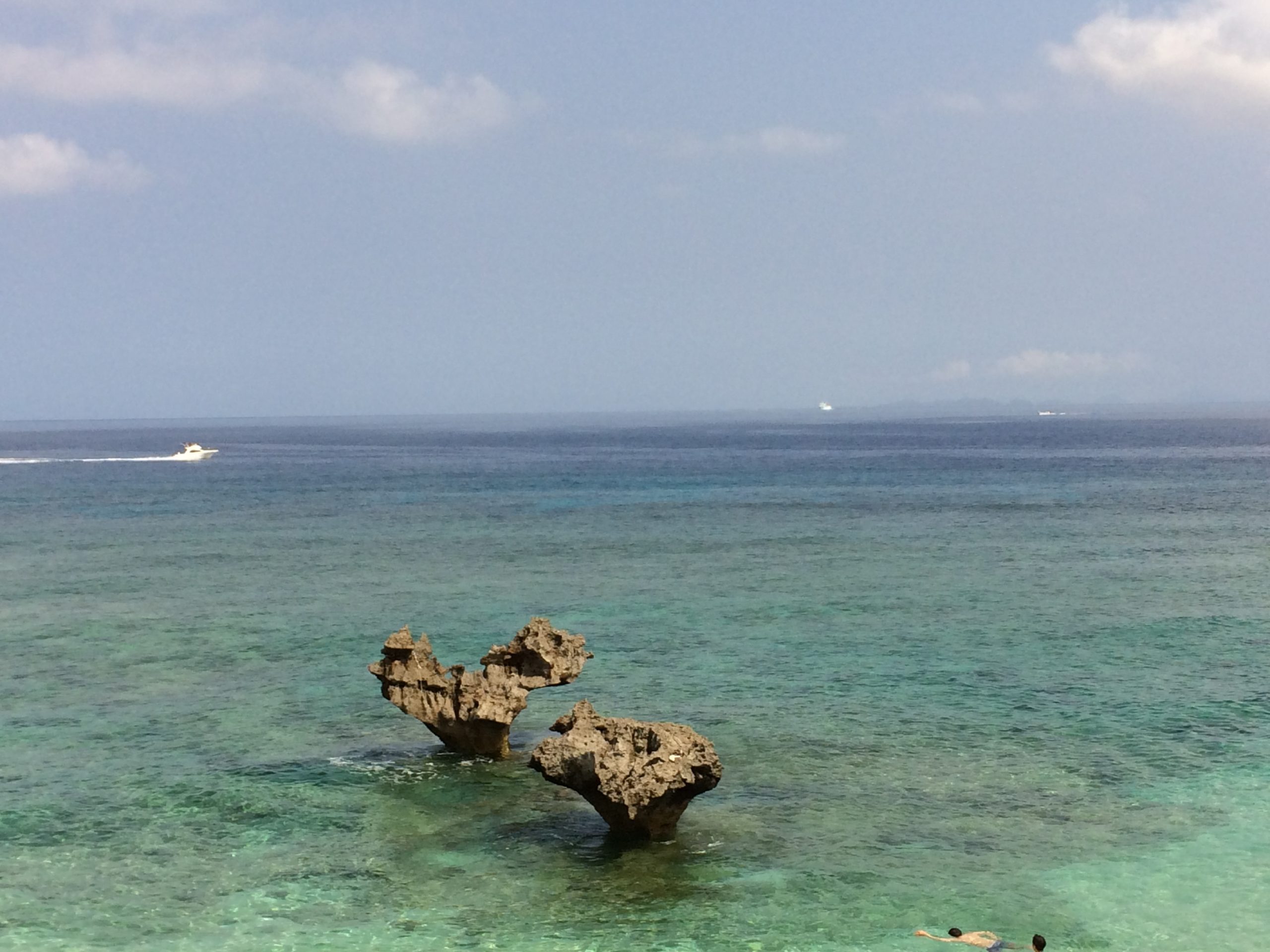
When you walk through the streets of Okinawa, color is everywhere — in the coral-blue sea, the hibiscus flowers, and even in the fabrics hanging outside tiny workshops.
For centuries, the people of this southern island have expressed their connection to nature through textiles.
From the vivid patterns of bingata (traditional hand-dyed cloth) to the delicate lines of Minsa weaving, Okinawan fabrics tell stories — of love, protection, and daily life under the island sun.
Today, travelers come not only to see these beautiful designs but to touch and experience them.
In small fabric shops across Naha, Shuri, and Yomitan, you can browse bolts of cloth dyed by hand, chat with artisans, or even try a dyeing workshop yourself.
Whether you’re a craft lover, a designer, or simply someone searching for an authentic souvenir, Okinawa’s fabric shops offer something rare:
a way to bring home the spirit of the islands, woven into every thread.
In this guide, we’ll explore the best places to find Okinawan fabrics — from traditional craft studios to modern boutiques — and discover how each pattern reflects the warmth and creativity of this tropical paradise.
The Story of Okinawan Fabrics: Colors and Culture Woven in Cloth
To understand Okinawa, you need only to look at its fabrics.
They are more than just materials — they are living art, carrying the island’s warmth, sunlight, and spirit within every thread.
Across centuries, Okinawans have expressed their identity through fabric. From royal garments worn by the Ryukyu kings to the daily wear of farmers and artisans, each pattern and color tells a story about island life, nature, and love.
A Legacy from the Ryukyu Kingdom
Okinawa was once the Ryukyu Kingdom, an independent trading nation between Japan, China, and Southeast Asia. Its position in the ocean brought not only goods but also ideas, colors, and techniques.
Through these cultural exchanges, Ryukyu developed its own textile traditions — bold, colorful, and full of symbolic meaning.
Royal courts used to commission fabrics as gifts to visiting diplomats, and each textile became a symbol of the kingdom’s artistry and sophistication.
Even today, when you touch an Okinawan fabric, you’re holding a piece of that long history — a legacy of craftsmanship passed down through generations.
Bingata: The Art of Painting with Sunshine
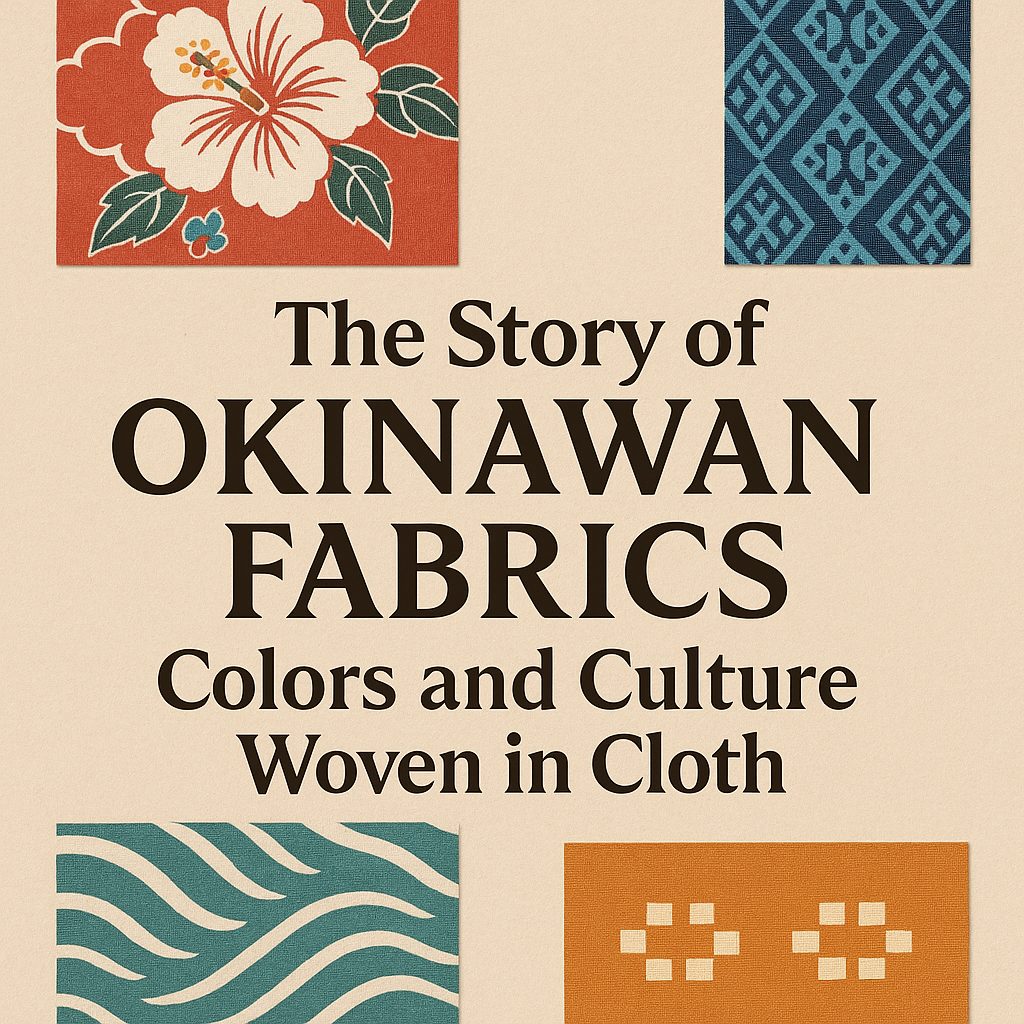
Perhaps the most famous of all Okinawan textiles is bingata, a traditional dyeing technique that dates back over 500 years.
The word bingata means “colored pattern,” and it perfectly captures the art’s essence — vibrant motifs inspired by Okinawa’s nature: flowers, waves, birds, and coral reefs.
Artisans hand-carve intricate stencil patterns, apply natural pigments, and brush colors onto fabric one layer at a time. The process is slow, meticulous, and meditative.
The result is breathtaking — each piece glowing with hues of red, yellow, turquoise, and indigo, as if sunlight itself were captured in cloth.
In the past, only nobles and warriors could wear bingata, but today you can find it in scarves, bags, and even modern clothing designs.
Visiting a bingata workshop in Naha or Shuri lets you see this living tradition up close — or even try painting your own fabric to take home as a souvenir.
Minsa Weaving: Threads of Love and Promise
Further north, in the Yomitan and Yaeyama islands, you’ll find Minsa weaving, a simpler but deeply meaningful textile.
It’s instantly recognizable by its blue and indigo stripes and the repeating pattern of five and four squares.
According to legend, the pattern represents eternal love — the five squares mean “forever,” and the four mean “together.”
Traditionally, women gave Minsa belts to their loved ones as a quiet, heartfelt promise: “I will always be with you.”
Today, that same pattern decorates modern items such as wallets, bags, and table runners.
It’s a gentle reminder that Okinawan textiles aren’t just beautiful — they are emotional, filled with human warmth and timeless affection.
Bashofu: Fabric Made from Nature Itself
Okinawa’s deep respect for nature can be seen in bashofu, a fabric made from the fibers of the banana plant (bashō).
Unlike cotton or silk, bashofu is airy, light, and perfectly suited for the island’s tropical climate.
Each roll of fabric requires months of labor — peeling the fibers, boiling, drying, and weaving them by hand.
The result is an elegant, almost transparent textile once used for summer kimono and formal wear.
Today, only a few workshops in the Ogimi Village of northern Okinawa continue to make authentic bashofu.
The village is quiet, surrounded by mountains and sea breeze — an ideal setting for a craft so connected to nature.
Visiting there offers a glimpse into a world where human hands and the earth work together in perfect rhythm.
The Colors of the Islands
Okinawan textiles are known for their vivid color palette, reflecting the island’s natural surroundings.
The bright red of hibiscus, the ocean blues of coral reefs, the greens of sugarcane fields — each shade is a memory of the island’s landscape.
Unlike many mainland Japanese fabrics, Okinawan designs tend to be open, playful, and sunlit.
They carry the joy of island life — relaxed yet full of life. This is why even simple handkerchiefs or small fabric pieces make travelers smile the moment they see them.
From Tradition to Modern Design
What makes Okinawan fabrics truly special is how they bridge the old and new.
While many artisans continue to preserve traditional techniques, younger designers are reimagining these patterns for modern life.
You’ll find bingata printed on sneakers, Minsa motifs on minimalist tote bags, and bashofu-inspired textures in sustainable fashion.
This creative revival is helping keep Okinawa’s textile heritage alive — not in museums, but in everyday life.
In recent years, local brands and workshops have begun collaborating with international designers, bringing Okinawa’s color and craftsmanship to the global stage.
Whether displayed in a Tokyo gallery or worn casually on a beach in Hawaii, the island’s fabrics still speak the same universal language: joy, connection, and care.
The Fabric That Feels Like a Smile
Okinawan fabrics are, at their heart, a reflection of the people who make them — kind, patient, and full of warmth.
Each thread carries the rhythm of waves, the sound of cicadas, and the laughter of island life.
To own a piece of Okinawan fabric is to carry a little sunshine with you — a soft reminder of how beauty can be simple, natural, and deeply human.
So the next time you visit Okinawa, don’t just buy a souvenir.
Find a small fabric shop, run your fingers across the dyed cloth, and listen to the stories it tells.
In that moment, you’ll feel what Okinawa truly is — a place where even fabric can smile.
Traditional Fabric Shops and Workshops in Naha and Shuri
If Okinawan fabrics tell the story of the islands, then Naha and Shuri are the best places to begin reading it.
Here, centuries of craftsmanship still live in quiet workshops and family-run studios, where artisans continue to dye, weave, and design with the same care as their ancestors.
Walking through the narrow streets of Shuri or the bustling markets of Naha, you’ll find hidden fabric shops filled with colors that capture the essence of the island — bright, sun-warmed, and full of life.
Shuri Ryusen: Paint with Light and Water
Located near the famous Shuri Castle, Shuri Ryusen is one of the most beloved bingata studios in Okinawa.
Founded in the 1950s, it preserves the traditional stencil-dyeing method while introducing modern elements like coral printing — an innovative technique where real coral branches are used as stamps to create delicate patterns.
Visitors can join a hands-on dyeing experience, choosing from scarves, handkerchiefs, or T-shirts as their canvas. The process is simple but mesmerizing: placing coral on the fabric, brushing on dyes, and watching the colors spread like watercolor under the sun.
The studio’s gallery displays exquisite bingata works that resemble paintings — bold yet harmonious, reflecting Okinawa’s natural beauty.
Even if you don’t join the workshop, it’s worth stopping by to see how art, tradition, and ocean life merge in such a poetic way.
📍 Location: 1-54 Shuri Yamagawacho, Naha
⏰ Hours: 9:00 a.m. – 6:00 p.m.
💡 Tip: Visit in the morning for the best light and smaller crowds.
Shōma Bingata Studio: A National Treasure of Color
Among Okinawa’s traditional fabric houses, the Shōma Bingata Workshop (城間びんがた工房) holds a particularly special place.
This family-run studio has continued the Shōma lineage of bingata artisans for over 16 generations — officially recognized as “Important Intangible Cultural Property” by the Japanese government.
Inside its modest studio, time seems to slow down. Artisans hand-paint intricate floral motifs using natural pigments derived from local minerals and plants.
Each color layer must dry before the next is applied, a process that can take several weeks for a single piece of cloth.
The result is breathtaking — textiles so luminous they almost seem to glow from within.
Visitors can view original bingata works, purchase smaller accessories, or simply watch the masters at work.
📍 Location: 1-37 Shuri Yamagawacho, Naha
⏰ Hours: 10:00 a.m. – 5:00 p.m. (Closed Sundays)
💡 Don’t Miss: The gallery corner showcasing vintage bingata from the Ryukyu Kingdom era.
Naha’s Tsuboya and Kokusai Street: Colorful Finds for Everyday Use
If you’re looking for something casual, affordable, and easy to take home, head to Kokusai Street (国際通り) — the heart of Naha City.
Amid souvenir shops and cafés, you’ll find several boutiques selling fabric by the meter, as well as handmade accessories inspired by traditional Okinawan designs.
Popular spots include small stores near Tsuboya Yachimun Street, the pottery district. Many of these shops carry bingata-patterned cotton, Minsa-style weaves, and tropical prints perfect for patchwork, clothing, or interior décor.
A few recommended stops:
- Miyagiya – A charming craft shop known for modern bingata-inspired designs.
- Naha Handicraft Center – Offers a range of local textiles, pottery, and handmade gifts.
- Ryukyu Textile Studio – Sells high-quality cotton and linen printed with Okinawan motifs.
These shops are perfect for travelers who want to see Okinawan culture in everyday items — from colorful tote bags to small coin purses.
💡 Shopping Tip: Most shops sell fabric in 50 cm units; if you plan to sew clothing, ask for 2 meters or more.
Bingata Experience for Travelers
If you’re visiting Okinawa for the first time, joining a bingata dyeing workshop is one of the most rewarding cultural experiences you can have.
Most studios in Naha and Shuri offer short sessions (30–60 minutes) for beginners. You’ll learn how to apply stencils, brush on color, and finish your own design to take home.
It’s not only a fun souvenir-making activity but also a chance to appreciate the patience and skill behind each piece of cloth.
Many travelers say the process feels like meditation — slow, colorful, and deeply satisfying.
💡 Travel Tip: Book workshops in advance, especially during weekends or holidays. Some studios accept reservations through their English websites or Instagram pages.
A Journey Through Threads and Time
Exploring fabric shops in Naha and Shuri isn’t just about shopping — it’s about stepping into Okinawa’s artistic heartbeat.
Every corner holds a blend of old and new, where traditional techniques meet the creativity of modern designers.
After your visit, take a short break at a nearby café or tea shop. Sit by the window, sip on iced jasmine tea, and look at the fabric you’ve chosen.
The colors, the textures, the patterns — each one tells a story that started long before your trip and will continue long after.
In that quiet moment, you’ll realize something special:
You didn’t just buy fabric in Okinawa — you collected a piece of its soul.
Stylish and Modern Fabric Shops Loved by Young Travelers
While traditional workshops keep Okinawa’s heritage alive, a new wave of designers and shop owners are giving island fabrics a modern twist.
From pastel-hued boutiques to minimalist craft stores, these spots blend the charm of Okinawan patterns with contemporary design — perfect for travelers looking for something unique, stylish, and easy to take home.
Miyagiya: Where Tradition Meets Playful Design
Tucked away near Tsuboya Yachimun Street, Miyagiya is a cozy shop that perfectly captures the spirit of modern Okinawa.
Here, traditional bingata patterns are reimagined with bright pastel tones, simple shapes, and eco-friendly materials.
The owner, a local designer from Naha, works with artisans to create fabrics that feel both nostalgic and new.
You’ll find fabric rolls, small pouches, scarves, and hand towels — all made with Okinawan motifs like shisa lions, hibiscus, and ocean waves, yet designed to fit seamlessly into modern life.
The shop’s interior feels like a small art gallery, with soft natural light and handmade wooden shelves displaying colorful items.
It’s no surprise that Miyagiya has become a favorite among young travelers, photographers, and creators seeking “Okinawan minimalism.”
💡 Tip: They often release limited-edition seasonal fabrics — peach-colored spring prints or tropical summer themes inspired by local festivals.
Shima Fabric: Modern Textiles with Island Soul
Located just a short walk from Kokusai Street, Shima Fabric is a must-visit for anyone interested in contemporary textile art.
The brand’s philosophy is simple yet powerful: “We weave stories of the islands.”
Their fabrics use natural dyes made from local plants like gettou (shell ginger) and indigo, resulting in earthy, calming tones.
Each piece is handwoven in small batches, so no two fabrics are exactly alike.
Shima Fabric’s collections include tote bags, cushion covers, and lightweight shawls that carry the scent of the ocean breeze.
Every product tag includes a short story about the dye, the artisan, and the island where it was made — making each purchase feel deeply personal.
💡 Tip: Visit in the afternoon when sunlight filters through the window fabrics — the entire shop glows in soft island colors.
Ufuya Textile Market: A Paradise for DIY Lovers
If you’re passionate about sewing or crafting, Ufuya Textile Market in Naha is your dream stop.
This vibrant store offers a wide range of fabrics by the meter — from traditional bingata-inspired cottons to modern floral and tropical prints designed by Okinawan artists.
It’s a popular spot among both locals and visitors who love creating their own bags, dresses, or interior decorations.
The staff are friendly and often share advice about matching colors, cutting sizes, and care tips for tropical fabrics.
Inside, bolts of fabric line the walls like rainbows, while the air smells faintly of new cotton and coffee from the small corner café.
It’s a place where creativity feels easy — and where many travelers end up staying much longer than they planned.
💡 Shopping Tip: Bring a reusable bag or shipping option if you plan to buy in bulk; the variety is irresistible!
Handmade Island: Gifts with a Story
For travelers who prefer ready-made souvenirs, Handmade Island is a perfect stop.
This boutique specializes in locally produced fabric goods, such as wallets, drawstring bags, and handkerchiefs — all made with love by Okinawan artisans.
Each item comes with a tag that tells the story behind the pattern — maybe a hibiscus design that represents happiness, or a wave motif symbolizing safe travels.
The shop focuses on sustainability, using leftover fabric pieces and natural dyes, ensuring that nothing is wasted.
The atmosphere is bright and airy, and every corner feels filled with positivity and care.
It’s the kind of store where you can find something small yet meaningful to take home — a piece of the island’s warmth in your pocket.
The Modern Face of Okinawan Textiles
The new generation of Okinawan fabric shops shares one common thread — they honor tradition without being bound by it.
These designers aren’t trying to imitate the past; they’re expanding it, giving Okinawa’s textile culture a voice that resonates with today’s travelers.
Whether it’s a pastel bingata tote from Miyagiya, a hand-dyed scarf from Shima Fabric, or a colorful coin purse from Handmade Island, each piece connects the wearer to the island in a quiet, genuine way.
As you stroll through Naha or Tsuboya, you’ll realize that Okinawan fabrics aren’t just souvenirs — they’re stories made wearable.
And once you take one home, those stories become your own.
Island-Wide Fabric Workshops and Hands-On Experiences
Beyond the city streets of Naha, Okinawa’s countryside offers a slower rhythm — one where you can truly feel the island’s connection between nature, craft, and community.
Across the main island and outer islands, small textile studios invite travelers to not only watch but also participate in the making of Okinawa’s famous fabrics.
Each workshop is a chance to learn, create, and carry home a handmade piece of the island’s beauty.
Yomitan Village: The Home of Minsa and Hanaori
In the quiet coastal town of Yomitan, west of Okinawa’s main island, weaving is part of daily life.
Here, the Yomitanzan Hanaori Cooperative continues the centuries-old tradition of Minsa and Hanaori weaving — intricate patterns created with handlooms and natural dyes.
Visitors can tour the studio, watch the rhythmic movements of skilled weavers, and even try weaving a small piece themselves.
The air is filled with the soft sound of threads crossing, a melody that feels both ancient and calming.
Every design carries meaning — from patterns symbolizing eternal love to those that represent blessings for prosperity.
It’s an experience that allows you to touch history, not just see it.
📍 Location: 265 Zakimi, Yomitan Village
⏰ Hours: 9:00 a.m. – 5:00 p.m.
💡 Tip: Combine your visit with a stop at Zakimi Castle ruins nearby for a full cultural day trip.
Haebaru Town: The Ryukyu Kasuri Experience
South of Naha, in Haebaru Town, the Ryukyu Kasuri Weaving Center (琉球かすり会館) preserves one of Okinawa’s most iconic textiles — Ryukyu Kasuri.
Recognized as a Traditional Craft of Japan, this fabric is known for its geometric patterns dyed with the ikat technique before weaving.
At the center, visitors can see the entire process: thread-dyeing, warping, and weaving on wooden looms.
The experience workshop allows you to weave a coaster or small cloth using colorful kasuri threads.
The local guides explain how each pattern has a meaning — pine trees for long life, waves for peace, and stars for hope.
The patience and rhythm of the weaving process feel meditative, offering a deep appreciation for the craft.
📍 Location: 888-1 Arakawa, Haebaru Town
⏰ Hours: 9:00 a.m. – 5:00 p.m. (Closed Mondays)
💡 Tip: Visit in the morning to see artisans at work before lunch.
Ogimi Village: The Last Home of Bashofu
Nestled in the northern mountains of Okinawa’s main island lies Ogimi Village, a small and peaceful place surrounded by lush greenery.
It’s here that one of Japan’s rarest natural fabrics, Bashofu, is still made by hand.
Bashofu is woven from the fibers of the banana plant (bashō), producing a light, airy textile once worn by Ryukyuan nobles.
The Ogimi Bashofu Workshop keeps this delicate tradition alive, led mostly by elderly women who have spent decades perfecting the craft.
Visitors can tour the small museum, learn how banana fibers are peeled, boiled, and woven, and even touch the fabrics that feel as soft as wind.
Watching these artisans work is both humbling and inspiring — a reminder of how deeply Okinawan crafts are tied to nature and patience.
📍 Location: 61 Ogimi, Ogimi Village
⏰ Hours: 9:00 a.m. – 5:00 p.m.
💡 Tip: The best time to visit is early summer, when the banana plants are freshly harvested.
Nago City: Indigo Dyeing by the Sea
In Nago, on the northern coast, a group of young artisans has revived Okinawa’s indigo-dyeing tradition, known locally as ai-zome.
Workshops here let you dip fabric or T-shirts into deep blue dye made from fermented indigo leaves, using natural seawater as part of the process.
Each dip transforms the cloth from green to blue under the open sky — a mesmerizing sight that connects earth, water, and air in one fluid motion.
The results are beautifully unpredictable, each piece completely unique.
Many of these studios, such as Aizome Kobo Umi no Ao, also sell hand-dyed scarves, handkerchiefs, and eco bags that make perfect gifts.
The scent of indigo lingers long after, reminding you of the sea breeze that once touched your fabric.
📍 Location: Along Route 58, Nago City
💡 Tip: Wear old clothes — the dye stains, but in the most beautiful way.
Experiencing Okinawa’s Crafts Beyond Watching
What makes these island workshops special isn’t just the beauty of their fabrics — it’s the opportunity to slow down and reconnect with the essence of craftsmanship.
Whether you’re weaving under a thatched roof in Yomitan, dyeing cloth in ocean breeze, or listening to the laughter of artisans in Ogimi, every experience invites you to live a little more like the islanders do: gently, patiently, and with gratitude.
Taking part in these hands-on activities lets you bring home more than just fabric — you take home a memory woven by your own hands.
It’s an intimate, unforgettable way to feel Okinawa’s heart through the texture of its threads.
How to Bring Okinawan Fabrics into Your Daily Life
Okinawan fabrics aren’t meant to stay behind glass — they’re made to be used, touched, and lived with.
Each piece carries the island’s sunshine and ocean breeze, waiting to brighten your everyday life wherever you are.
Bringing these textiles into your home or wardrobe isn’t just about decoration — it’s about carrying a little of Okinawa’s warmth and kindness with you.
As Souvenirs and Gifts
One of the simplest ways to enjoy Okinawan fabrics is to take them home as souvenirs.
Even a small piece of bingata-dyed cotton or Minsa-patterned cloth makes a thoughtful and meaningful gift.
You’ll find ready-made items such as:
- Handkerchiefs and scarves with traditional floral prints
- Drawstring pouches, wallets, and eco-bags made from colorful fabric scraps
- Small framed fabric art pieces — perfect for hanging on a wall or placing on a desk
These items are lightweight, easy to pack, and full of character — ideal for travelers who want to give something authentic and handmade.
Adding a short note about the meaning of the pattern (for example, “five-and-four Minsa symbolizes eternal love”) makes the gift even more special.
💡 Tip: Many shops at Naha Airport and Kokusai Street offer “souvenir bundles” — sets of three or five small fabric goods wrapped in washi paper or furoshiki cloth.
As Fashion and Accessories
Okinawan fabrics naturally lend themselves to casual island fashion.
Their light textures and vibrant patterns make them perfect for summer wear or travel outfits.
You can easily incorporate them into your wardrobe as:
- A bright bingata stole paired with a plain T-shirt
- A Minsa-pattern belt or hair tie for a subtle island touch
- A hand-dyed tote bag that brings color to everyday errands
Some designers even use traditional fabrics to make modern shirts, dresses, and sneakers, blending heritage with comfort.
Wearing these pieces feels like carrying a soft breeze from the islands — colorful, relaxed, and alive.
💡 Style Idea: Pair a muted outfit with one Okinawan accent item — a scarf, a bag, or even fabric earrings — to let the pattern shine.
As Interior and Lifestyle Decor
For those who love home design, Okinawan fabrics can transform a simple space into something warm and full of personality.
Their patterns — inspired by coral, waves, and flowers — bring natural harmony indoors.
Try using fabric as:
- A table runner or placemat for a coastal dining theme
- Cushion covers in tropical colors
- A small wall hanging or framed textile art
- A furoshiki-style curtain or room divider made from bingata cloth
In Okinawa, many cafés and guesthouses decorate their spaces with hand-dyed fabrics, giving them a cozy, local atmosphere.
Doing the same at home lets you feel a little closer to the islands, even from far away.
💡 Tip: Choose natural fibers like cotton or linen for a breathable, comfortable texture — perfect for hot summers.
For DIY and Creative Projects
If you enjoy sewing or crafting, Okinawan fabrics are a treasure trove of inspiration.
A single meter of bingata cotton can become a small pouch, notebook cover, or even a lampshade.
You can also combine different scraps to create patchwork pieces that mix colors like ocean blue, hibiscus red, and sunshine yellow.
Every creation becomes a personal memory of your trip — something made with your own hands, just like the artisans you met in Okinawa.
💡 Creative Idea: Keep leftover fabric pieces from your travels in a small box labeled “Okinawa Colors.” They’re perfect for small gifts or new projects later on.
Living with Okinawan Warmth
The beauty of Okinawan textiles lies not only in their design but in the spirit they carry — gentleness, connection, and joy in small things.
When you use these fabrics in your life, you’re continuing the story that began with the artisans who made them.
Every time you unfold a bingata scarf or lay a Minsa runner across your table, you’ll feel that story — quiet, colorful, and full of sunshine.
In that moment, Okinawa isn’t far away; it’s right there with you, woven softly into your day.
So don’t keep the island in your memories alone.
Let it live in your home, your clothes, and your heart — through the threads that smile like the Okinawan sky.