Kiyomizu-dera, a historic temple located in the heart of Kyoto, Japan, is one of the most celebrated temples in the country. Founded in the late 8th century during the Heian period, this temple is a UNESCO World Heritage site and attracts millions of visitors each year with its stunning architecture, sacred artworks, and panoramic views of Kyoto.
The Rich History of Kiyomizu-dera
Kiyomizu-dera, which translates to “Pure Water Temple,” is named after the Otowa Waterfall running beneath its main hall. According to legend, the water of this fall has divine powers, and visitors can drink from it using cups attached to long poles, a ritual believed to bring health, longevity, and success in educational endeavors.
Architectural Marvels
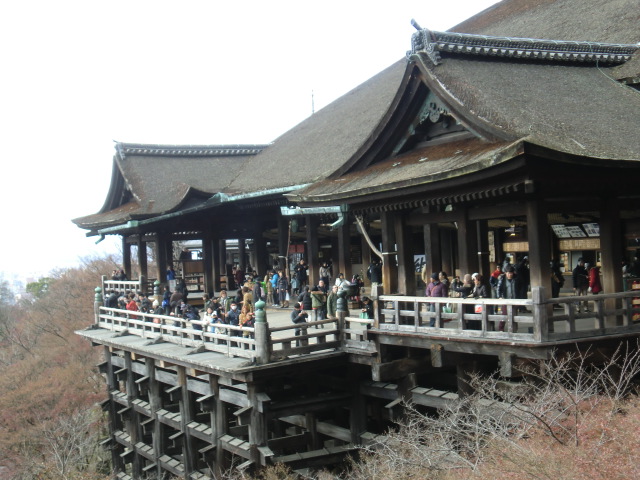
The temple is best known for its wooden stage that juts out from its main hall, 13 meters above the hillside below, offering breathtaking views of the cherry and maple trees that explode in a riot of color in spring and autumn. This stage was built without the use of nails, a testament to traditional Japanese craftsmanship. The main hall itself, which houses the temple’s primary object of worship, a statue of Kannon with eleven faces and a thousand arms, is an impressive example of Heian-period architecture.
Seasonal Beauty and Events
Kiyomizu-dera is particularly stunning during cherry blossom season in early spring and the vibrant fall colors in November. The temple also hosts several Buddhist ceremonies and festivals throughout the year, which are a draw for both tourists and devout practitioners. The Seiryu-e Dragon Festival and the evening illuminations during cherry blossom and autumn foliage seasons are especially popular.
Exploring the Temple Grounds
Visitors to Kiyomizu-dera can also explore several other important cultural and religious structures within its spacious grounds:
- Jishu Shrine: Located behind Kiyomizu-dera’s main hall, this shrine is dedicated to Okuninushi, a deity of love and matchmaking. Visitors can participate in the unique ritual of walking between two stones placed 18 meters apart with their eyes closed. Successfully walking from one stone to the other while blindfolded is said to bring luck in finding love.
- Otowa Waterfall: At the base of Kiyomizu-dera’s main hall, visitors can drink from one of the three streams of the waterfall, each of which offers different benefits: longevity, success at school, and a fortunate love life.
- Zuigudo Hall: This hall is dedicated to the Buddha of the Future, Maitreya, and is built over a spring whose waters are believed to cleanse visitors from their past misdeeds.
Practical Information for Visitors
・Getting There: Kiyomizu-dera is accessible via bus from Kyoto Station or a walk up the hill from Kiyomizu-Gojo Station on the Keihan Railway Line. The walk, known as the Teapot Lane, is lined with shops selling Kyoto crafts, snacks, and souvenirs.
・Best Time to Visit: Early morning is the best time to visit Kiyomizu-dera to avoid the crowds, especially during the peak tourist seasons of spring and fall.
Kiyomizu-dera is not just a place of breathtaking beauty and deep tranquility; it is a cultural heritage site that offers insight into the spiritual and historical fabric of Kyoto. Whether you are seeking a place of reflection, interested in traditional Japanese architecture, or simply in pursuit of beautiful vistas, Kiyomizu-dera is a destination that truly captures the spirit of Kyoto.