If you’re traveling to Kyoto, Japan, a visit to Kinkaku-ji is an absolute must. Officially known as the Golden Pavilion, Kinkaku-ji is one of Japan’s most iconic landmarks, renowned for its breathtaking beauty and historical significance. Here’s an introduction to this stunning temple, its history, and what you can expect during your visit.
What is Kinkaku-ji?
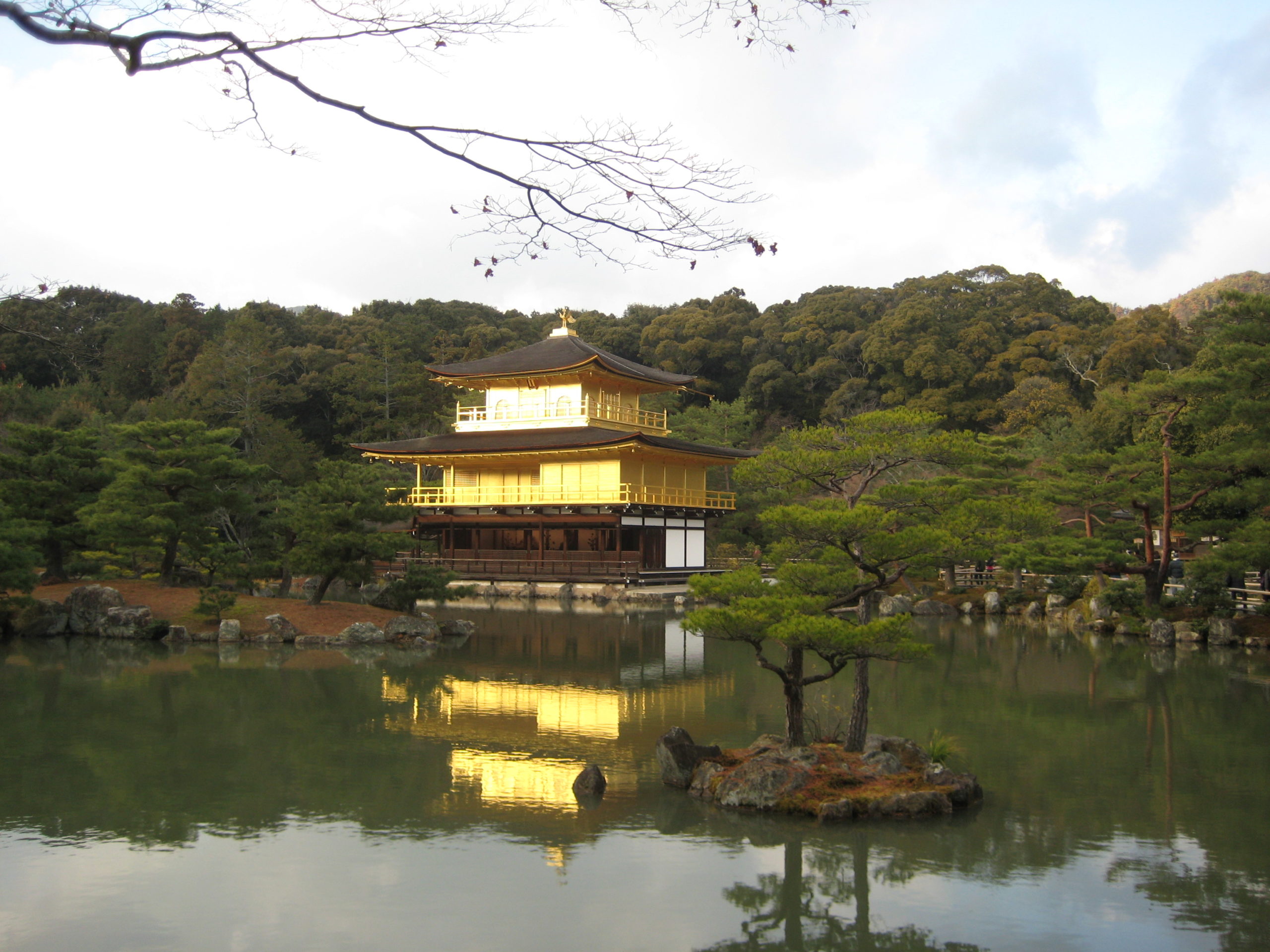
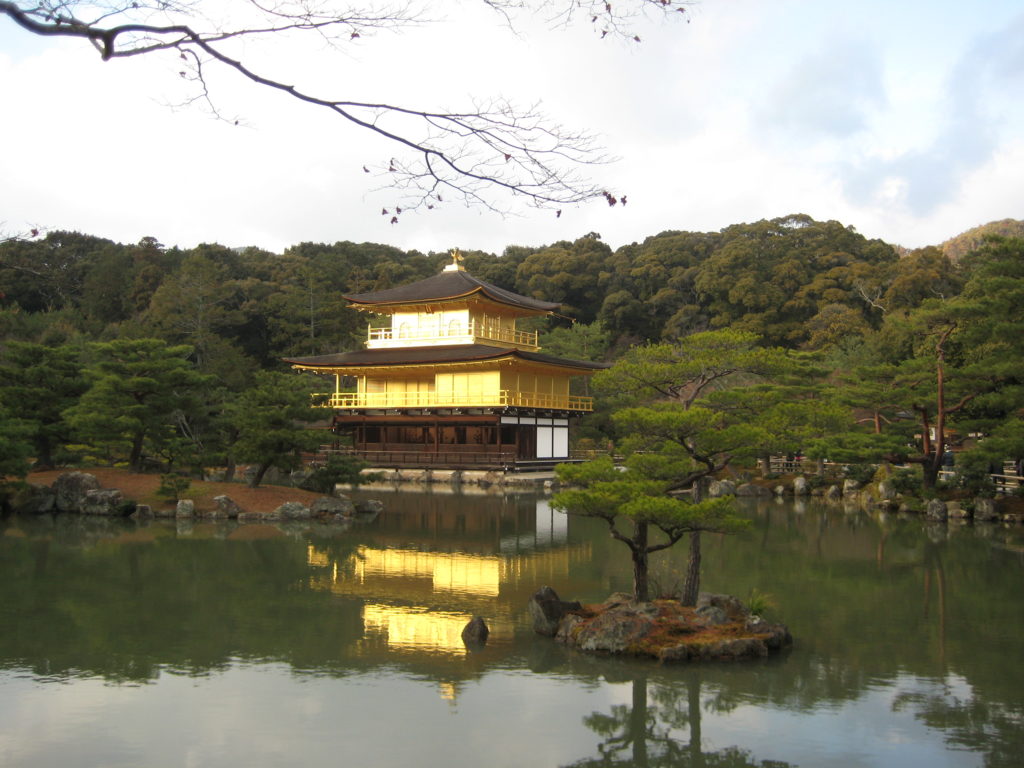
Kinkaku-ji, or the Golden Pavilion, is a Zen Buddhist temple located in the northern part of Kyoto. The temple is famous for its striking gold-leaf-covered exterior that gleams against the lush greenery and tranquil pond surrounding it. This picturesque setting makes Kinkaku-ji a favorite spot for both tourists and photographers.
History of Kinkaku-ji
・Origins: Kinkaku-ji was originally built in 1397 as a retirement villa for Shogun Ashikaga Yoshimitsu. After his death, it was converted into a Zen Buddhist temple, as per his wishes.
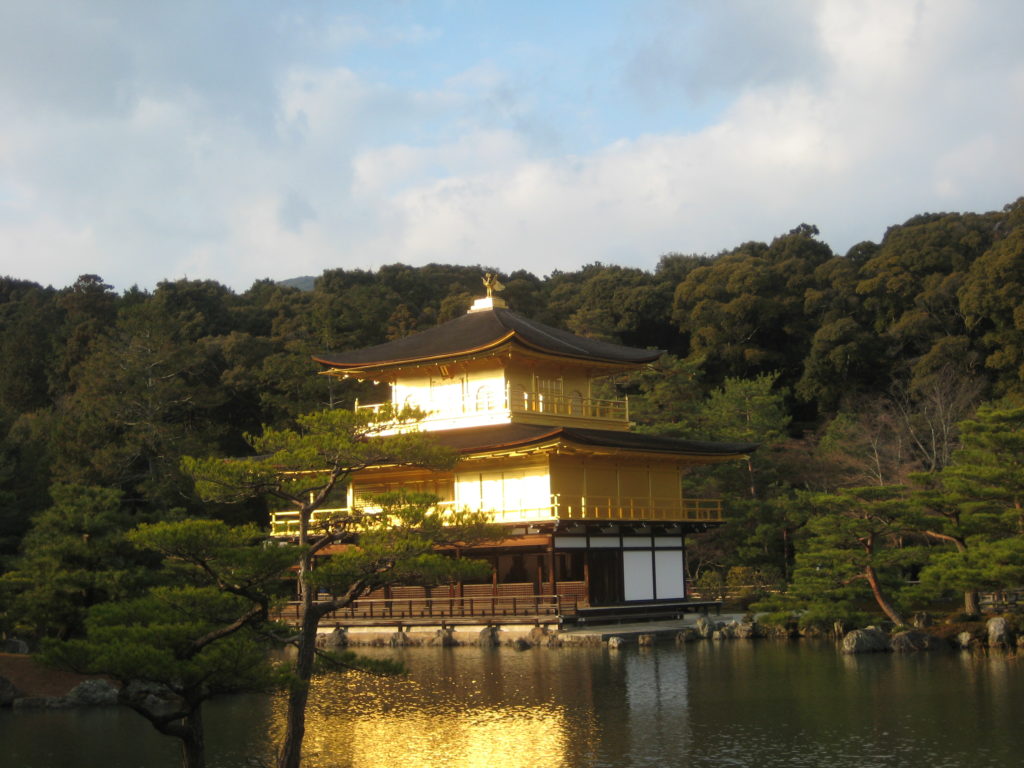
・Architecture: The temple’s architectural style is a classic example of the Muromachi period (1336-1573). It is designed with three stories, each representing different architectural styles and purposes. The first floor, called the Shinden-zukuri style, is constructed of natural wood, while the upper floors are covered in gold leaf, giving the pavilion its iconic appearance.
・Restorations: Kinkaku-ji has undergone several restorations over the centuries due to various incidents, including a significant fire in 1950. The current structure was rebuilt in 1955, maintaining its original design and golden sheen.
What to See and Do at Kinkaku-ji
The Pavilion: The highlight of Kinkaku-ji is, of course, the Golden Pavilion itself. The temple’s reflective surface creates a mesmerizing effect as it mirrors in the surrounding pond, known as the Kyoko-chi (Mirror Pond).
The Gardens: The temple is set within beautifully landscaped gardens that feature traditional Japanese elements such as carefully manicured trees, moss-covered paths, and serene water features. Take a leisurely stroll around the gardens to fully appreciate the harmony of nature and architecture.
Tea House and Temple Grounds: Explore the temple grounds, including the small tea house that offers a glimpse into traditional Japanese culture. The grounds also feature a serene walking path that provides different perspectives of the pavilion and its reflection.
Seasonal Beauty: Each season brings its own charm to Kinkaku-ji. In spring, cherry blossoms frame the pavilion; in summer, the lush greenery contrasts beautifully with the gold; autumn brings vibrant foliage; and in winter, the pavilion dusted with snow is a magical sight.arden that is designed to complement the pavilion. The temple overlooks a large pond called Kyoko-chi (Mirror Pond), which reflects the golden structure and creates a picturesque scene. The garden is designed in the strolling garden style, with paths that allow visitors to enjoy various viewpoints of the temple and its surroundings.
Tips for Visiting Kinkaku-ji
・Best Time to Visit: Early morning or late afternoon can be less crowded, allowing for a more peaceful experience and better photo opportunities.
・Admission Fee: There is a small entrance fee to visit Kinkaku-ji. Check the latest information before your visit, as fees and hours can change.
・Respectful Behavior: As a place of worship, it’s important to be respectful. Keep noise to a minimum and follow any guidelines set by the temple staff.
・Photography: Photography is allowed in most areas, but be mindful of other visitors and avoid using flash, as it can be disruptive.
Kinkaku-ji stands as a testament to Japan’s rich cultural heritage and artistic excellence. Its shimmering golden façade and tranquil surroundings offer a memorable experience for visitors seeking to immerse themselves in Kyoto’s historical and natural beauty.