

Japanese omamori are small lucky charms that bring protection, luck, and success. You can find them at shrines and temples across Japan, but many people are not sure what they really mean or how to use them.
If you search online, the information is often confusing or too detailed. It can be hard for beginners to understand the different types of omamori and choose the right one.
In this guide, you will learn the Japanese omamori meaning in simple English, including types, how to use them, and how to choose the best omamori for your goal—such as love, money, health, or success.
Let’s explore the meaning of omamori and find the perfect one for you.
What Is an Omamori? (Simple Meaning Explained)
An omamori is a small Japanese lucky charm. People buy it at shrines and temples in Japan. The word “omamori” means protection or good luck.
Each omamori has a special purpose. Some protect your health. Some help you find love. Others bring success in school or work. People carry omamori in their bags, wallets, or cars.
Omamori are not just decorations. They are spiritual items connected to Japanese culture and beliefs. Inside each omamori, there is a sacred object or prayer.
Today, many people from around the world are interested in omamori. They are simple, meaningful, and easy to carry.
👉 If you like Japanese lucky charms, you may also enjoy a manekineko (lucky cat), which is another popular symbol of good luck.
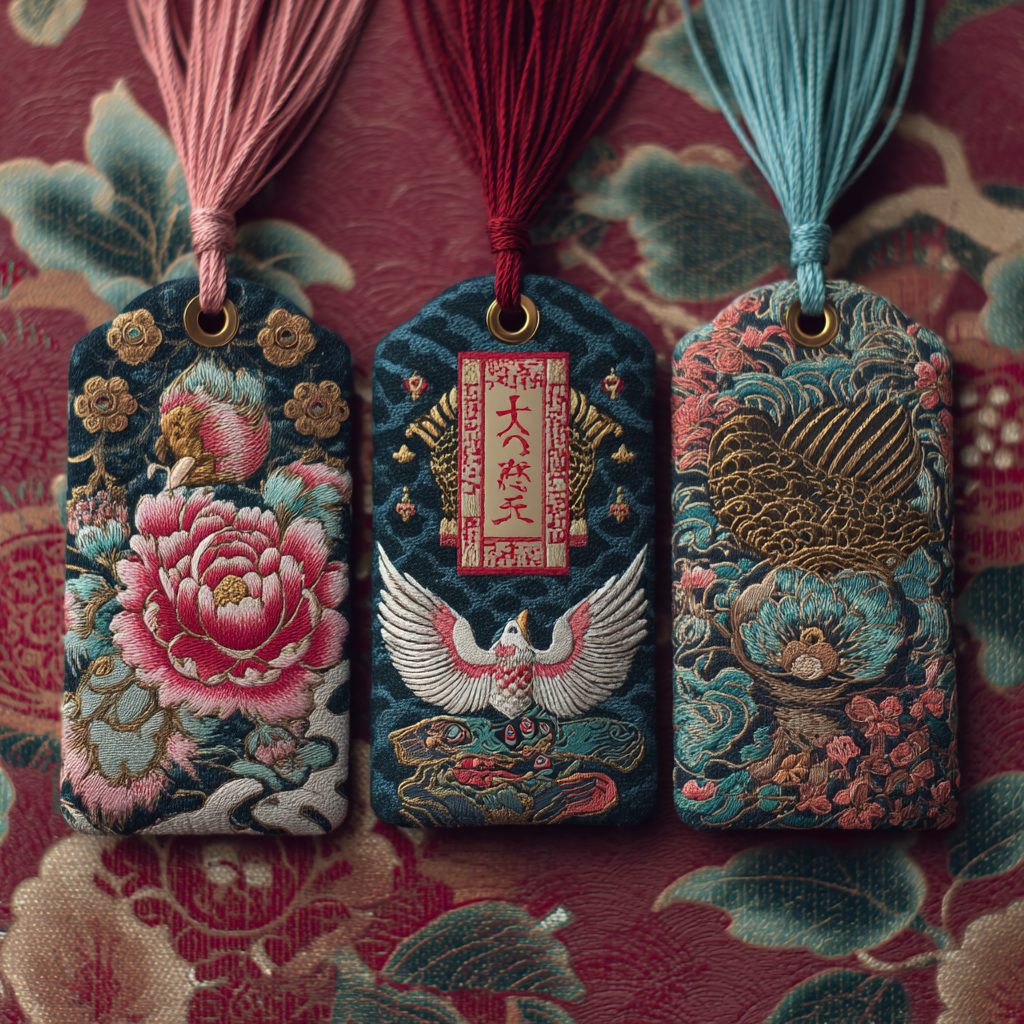
Types of Omamori and Their Meanings
There are many types of omamori. Each one has a different meaning. Here are the most common types:
Love Omamori
These help you find love or improve your relationship.
Money & Success Omamori
These bring business success and financial luck.
Health Omamori
These protect you from illness and support your well-being.
Safety Omamori
These keep you safe when traveling or driving.
Study Omamori
These help students pass exams and improve their studies.
Each omamori is designed for a specific purpose. Choosing the right one depends on your goal.
👉 Many people combine omamori with other lucky items like manekineko to attract both protection and fortune.
How to Choose the Right Omamori
Choosing an omamori is simple. First, think about your goal. Do you want love, money, health, or success? Then choose an omamori that matches your need.
You can have more than one omamori. For example, you can carry a health omamori and a success omamori at the same time.
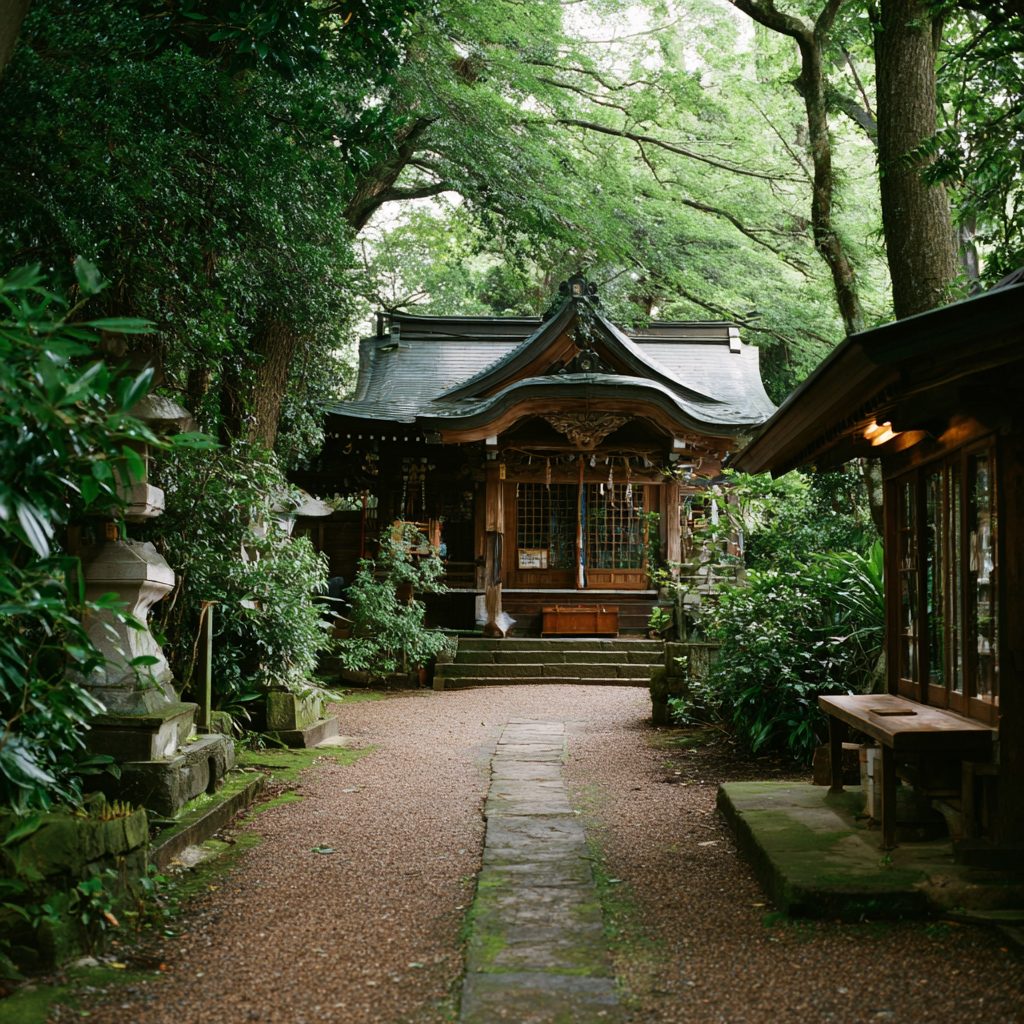
It is best to buy omamori at shrines or temples in Japan. These are considered authentic and meaningful. However, you can also find them online if you cannot visit Japan.
Another popular lucky item is the manekineko, or “beckoning cat.” It is often placed at home or in shops to attract money and good luck.
👉 If you want a visible lucky charm for your home or business, a manekineko is a great choice.
How to Use Omamori (Rules & Tips)
Using an omamori is easy, but there are some important rules.
First, do not open the omamori. The inside is sacred, and opening it may remove its power.
Second, keep it close to you. You can put it in your bag, wallet, or hang it in your car.
Third, omamori are usually used for one year. After that, people return them to a shrine or dispose of them respectfully.
Unlike omamori, manekineko are not carried. They are displayed in homes or shops. The raised paw is believed to invite luck and customers.
👉 Many people use both: omamori for personal protection and manekineko for attracting good fortune.
Common Questions About Omamori
Do omamori really work?
Omamori are based on belief and tradition. Many people feel comfort and confidence when they carry them.
What is inside an omamori?
Inside there is usually a small piece of paper or wood with a prayer.
Can I give omamori as a gift?
Yes. Omamori are popular gifts in Japan. They show care and good wishes.
Are omamori good souvenirs?
Yes, they are small, meaningful, and easy to carry.
If you are interested in Japanese lucky culture, you can also explore manekineko. It is one of the most famous symbols of good fortune in Japan.
👉 A manekineko is perfect if you want a lucky charm you can see every day.