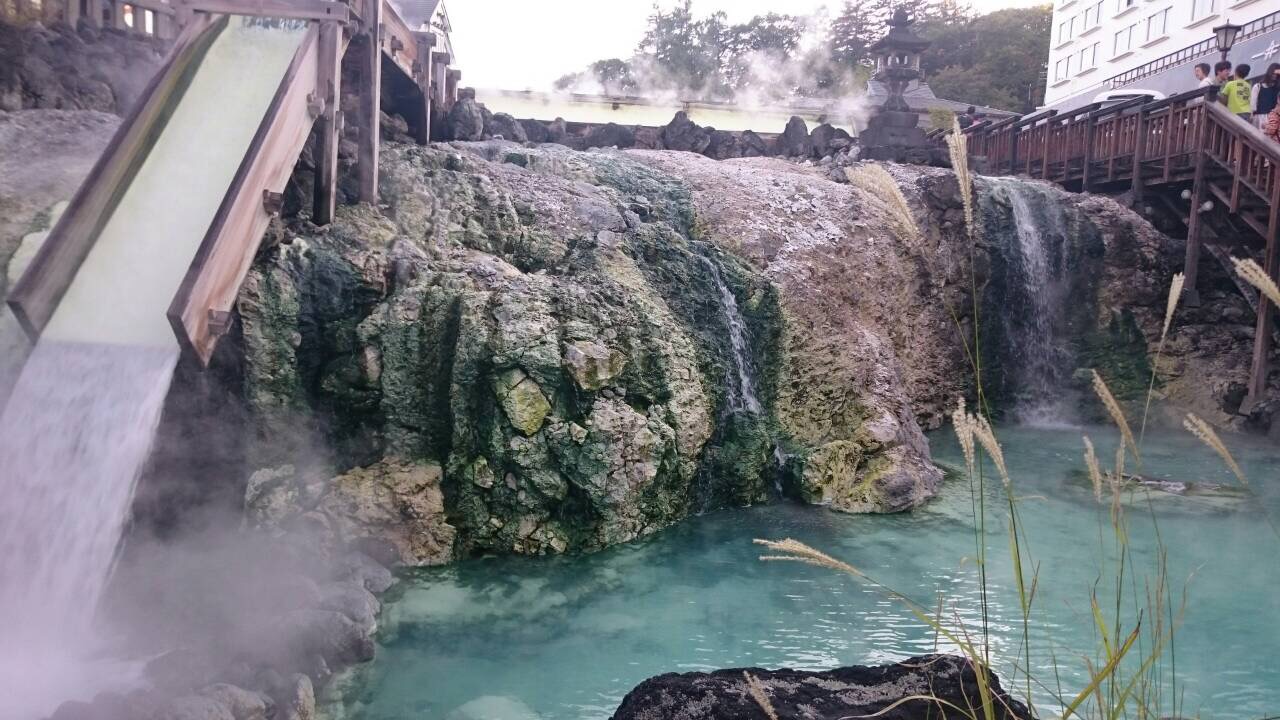
Visiting a Japanese onsen (hot spring) is a must-do experience when traveling in Japan. Onsen culture is deeply rooted in Japanese tradition, offering not only relaxation but also a sense of connection with nature. However, the onsen experience comes with its own set of rules and etiquette. For first-timers, this guide will help you navigate the dos and don’ts to fully enjoy a peaceful and respectful bath in a Japanese onsen.
1. Shower Before Entering the Onsen
In Japan, it’s customary to shower before entering an onsen (hot spring). This practice ensures cleanliness and respects the shared bathing space. At the washing area, use the provided stools, buckets, and soap to thoroughly cleanse your body. Rinse off all soap and shampoo before soaking in the onsen. Following this etiquette keeps the water pure for everyone and enhances the relaxing experience.
2. No Swimsuits or Towels in the Water
When visiting a Japanese onsen (hot spring), it’s important to follow traditional bathing customs. Swimsuits are not allowed, as onsens emphasize natural relaxation and cleanliness. Additionally, avoid dipping your towel into the onsen water to keep it pure for everyone. Instead, place the towel on your head or the side of the bath. Respecting these practices ensures a comfortable and authentic experience for all guests.
3. Respect Quiet and Personal Space
While enjoying a Japanese onsen (hot spring), it’s important to maintain a peaceful atmosphere. Speak softly or remain quiet to respect the relaxation of others. Additionally, be mindful of personal space, especially in smaller baths, and avoid splashing or moving too much. These practices ensure a tranquil and enjoyable experience for everyone sharing the onsen.
4. Tattos May Be Prohibited
Many Japanese onsen (hot springs) prohibit entry to individuals with tattoos due to their historical association with organized crime. While attitudes are slowly changing, some facilities still enforce this rule to maintain a traditional atmosphere. If you have tattoos, consider finding tattoo-friendly onsen or using waterproof tattoo covers, which may be acceptable in some locations. Always check the onsen’s policies in advance to ensure a smooth and respectful visit.
5. Hair Sould Not Touch the Water
In Japanese onsen (hot springs), it’s important to ensure that your hair does not touch the water. This practice maintains the cleanliness and hygiene of the shared bath. Tie your hair up with a hairband or clip, or use a small towel to keep it secured. Respecting this etiquette ensures a pleasant and sanitary experience for everyone.
6. Don’t Swim or Dive in the Bath
In Japanese onsen (hot springs), diving or swimming is strictly prohibited. Onsen are places for relaxation, not recreation, and such actions disrupt the tranquil atmosphere and disturb others. Instead, enter the water slowly, sit calmly, and enjoy the soothing experience. Following this etiquette ensures a peaceful and enjoyable visit for everyone.
7. Dry Off Before Re-entering the Dressing Room
After enjoying a Japanese onsen (hot spring), it’s customary to dry off with a small towel before entering the changing area. This prevents excess water from dripping onto the floors, keeping the space clean and safe for others. Pat yourself dry near the bathing area, ensuring a considerate and respectful onsen experience for everyone.
8. Hydrate After Your Bath
After soaking in the hot spring for a while, your body can get dehydrated, especially in the heat. Most onsen have water or tea available for you to rehydrate after your bath. Drink plenty of fluids to replenish your body after a relaxing soak.
Additional Tips
Mixed-gender baths (konyoku) exist, but they are quite rare. Most onsen have separate baths for men and women. Make sure to check the signs to avoid entering the wrong bath.
Time your soak: Don’t stay in the hot water for too long. Onsen water is very hot (usually around 40°C/104°F), so limit your soak to about 10-15 minutes at a time to avoid overheating.
Visiting an onsen is an unforgettable part of experiencing Japan, offering both physical and mental relaxation. By following the proper etiquette and respecting local customs, you can enjoy the onsen experience to the fullest while ensuring that everyone around you can do the same. Happy bathing!