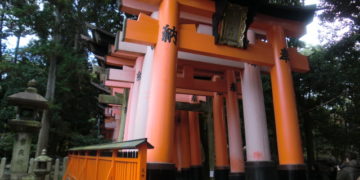
Heian Shrine is one of Kyoto’s most striking landmarks, famous for its vivid vermilion buildings and massive torii gate. Beyond the shrine itself lies the tranquil Shin’en Garden, a strolling garden with ponds, bridges, and seasonal beauty that changes throughout the year—from cherry blossoms in spring to fiery red maple leaves in autumn. This guide introduces the history and highlights of Heian Shrine and Garden, along with practical visitor information, access tips, and nearby attractions to help you make the most of your Kyoto trip.
What Is Heian Shrine?

History and Cultural Significance
Heian Shrine (Heian Jingu, 平安神宮) was built in 1895 to commemorate the 1,100th anniversary of Kyoto’s founding as Japan’s capital. It enshrines Emperor Kanmu, who established Heian-kyo (present-day Kyoto), and Emperor Komei, the last emperor to rule from Kyoto before the capital moved to Tokyo. The shrine represents Kyoto’s proud history and has become a symbol of the city’s cultural identity.
Iconic Architecture and the Giant Torii Gate
The shrine complex is designed as a partial replica of the original Heian-period Imperial Palace. Its bold vermilion-colored buildings and green tiled roofs are striking examples of classical Japanese architecture. At the entrance stands one of Japan’s largest torii gates, towering nearly 25 meters high, making it a famous landmark of the Okazaki area. The wide courtyard, impressive main hall, and ceremonial atmosphere provide a glimpse into Kyoto’s ancient past.
Why It Is One of Kyoto’s Must-See Shrines
Heian Shrine is not only architecturally impressive but also plays an important role in Kyoto’s cultural calendar. It is the starting point of the annual Jidai Matsuri (Festival of the Ages), one of Kyoto’s three great festivals, held every October. For travelers, the combination of historical significance, beautiful design, and seasonal events makes Heian Shrine a must-visit destination when exploring Kyoto.
Exploring the Heian Shrine Garden (Shin’en)
Overview of the Strolling Garden
Behind the shrine lies the Shin’en Garden, a spacious Japanese-style strolling garden that covers nearly 33,000 square meters. Designed in the late 19th century, it is divided into four sections—East, Central, West, and South—each with its own unique landscape. Visitors can walk along winding paths, cross wooden bridges, and enjoy views of ponds, streams, and seasonal plants, creating a tranquil escape from the city’s busy streets.
Seasonal Highlights – Cherry Blossoms, Iris, and Autumn Leaves
The garden is especially famous for its weeping cherry blossoms (shidare-zakura), which bloom spectacularly in April and attract countless visitors. In early summer, the iris garden transforms into a sea of purple flowers. Autumn brings vivid shades of red and orange maple leaves reflected in the ponds, while winter offers a peaceful scene of snow-covered bridges. No matter the season, Shin’en Garden showcases the harmony of nature and traditional design.
Photography Spots and Scenic Views
The garden is a paradise for photographers and nature lovers. Highlights include the Taihei-kaku Bridge, a covered wooden bridge that stretches across the pond and provides stunning reflections. The stepping stones across the water are another iconic spot, often featured in travel magazines. With its ever-changing scenery, Shin’en Garden is not just a side attraction but a central reason to visit Heian Shrine.
Practical Visitor Information
Opening Hours and Entrance Fees
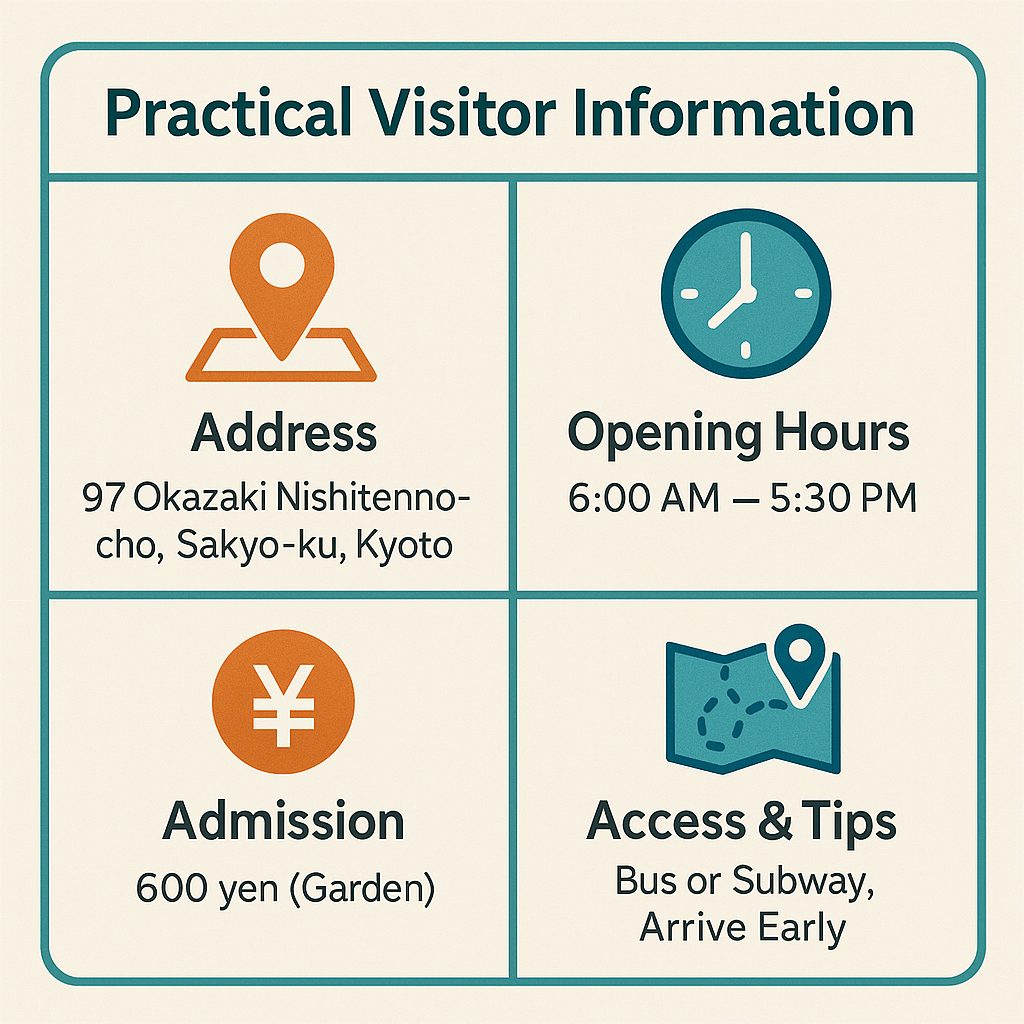
Heian Shrine’s main grounds are free to enter and open daily, typically from early morning until evening. The Shin’en Garden, however, requires an admission fee of around ¥600 for adults and ¥300 for children. Hours for the garden are usually from 8:30 AM to 5:30 PM (with seasonal variations), so it’s best to check in advance if you are visiting during winter when hours are shorter.
How Much Time to Spend at the Shrine and Garden
For a quick visit, travelers often spend about 30 minutes at the shrine grounds to admire the architecture and the giant torii gate. To fully enjoy Shin’en Garden, plan for at least one hour, especially if you want to take photos or see seasonal flowers. A combined visit to both the shrine and the garden usually takes 1.5 to 2 hours, making it easy to fit into a half-day Kyoto itinerary.
Accessibility for Families and Elderly Travelers
Heian Shrine is generally accessible for all visitors. The spacious grounds are flat and easy to walk, making them suitable for families with strollers or elderly travelers. Within Shin’en Garden, some paths are unpaved or involve stepping stones, so wearing comfortable shoes is recommended. Wheelchair access is available in most areas, though certain garden sections may be more challenging.
How to Get to Heian Shrine and Garden
From Kyoto Station – Bus, Subway, and Taxi Options
The easiest way to reach Heian Shrine from Kyoto Station is by city bus. Take bus No. 5 or No. 100 and get off at the Okazaki Koen/Heian Jingu-mae stop; the ride takes about 25–30 minutes. Alternatively, take the subway Karasuma Line to Karasuma Oike, then transfer to the Tozai Line and get off at Higashiyama Station; from there, it’s a 10-minute walk. Taxis are also convenient, taking about 15 minutes depending on traffic.
Walking Routes from Nearby Attractions
Heian Shrine is located in the Okazaki area, which is home to many other cultural sites. From Nanzen-ji Temple, it’s about a 15-minute walk through a scenic path along the canal. Visitors coming from the Kyoto City Zoo or Kyoto Municipal Museum of Art can also reach the shrine in just a few minutes on foot. This makes Heian Shrine an easy addition to a walking tour of eastern Kyoto.
Tips for Visiting During Busy Seasons
During peak seasons, especially in spring (cherry blossoms) and autumn (fall foliage), buses and surrounding streets can become crowded. To avoid delays, consider traveling early in the morning or using the subway and walking. Another tip is to visit on weekdays rather than weekends, which are much busier with both locals and tourists.
Nearby Attractions and Events
Combining with Nanzen-ji, Ginkaku-ji, or Kyoto City Zoo
Heian Shrine is perfectly located for combining with other eastern Kyoto attractions. Nanzen-ji Temple, with its impressive Sanmon Gate and aqueduct, is only a 15-minute walk away. The Philosopher’s Path, a scenic canal-side walk leading to Ginkaku-ji (Silver Pavilion), can also be added for those who enjoy longer strolls. Families will appreciate the nearby Kyoto City Zoo, which is small but charming and easy to explore within an hour.
Seasonal Festivals – Jidai Matsuri and Special Events
Heian Shrine is the starting point of the Jidai Matsuri (Festival of the Ages), held every October 22nd. This major Kyoto festival features a grand historical procession with over 1,000 participants dressed in costumes from different eras of Japanese history. The shrine also occasionally hosts nighttime illuminations or seasonal events in its gardens, offering visitors unique opportunities to experience its beauty in new ways.
Recommended Model Courses Around Okazaki Area
For a half-day itinerary, start at Heian Shrine, explore Shin’en Garden, then continue to the nearby Kyoto Municipal Museum of Art or Kyoto National Museum of Modern Art. Add lunch at a café along the Okazaki canal before heading to Nanzen-ji or the Philosopher’s Path. This compact route showcases history, culture, and nature, making it one of Kyoto’s most balanced sightseeing courses.