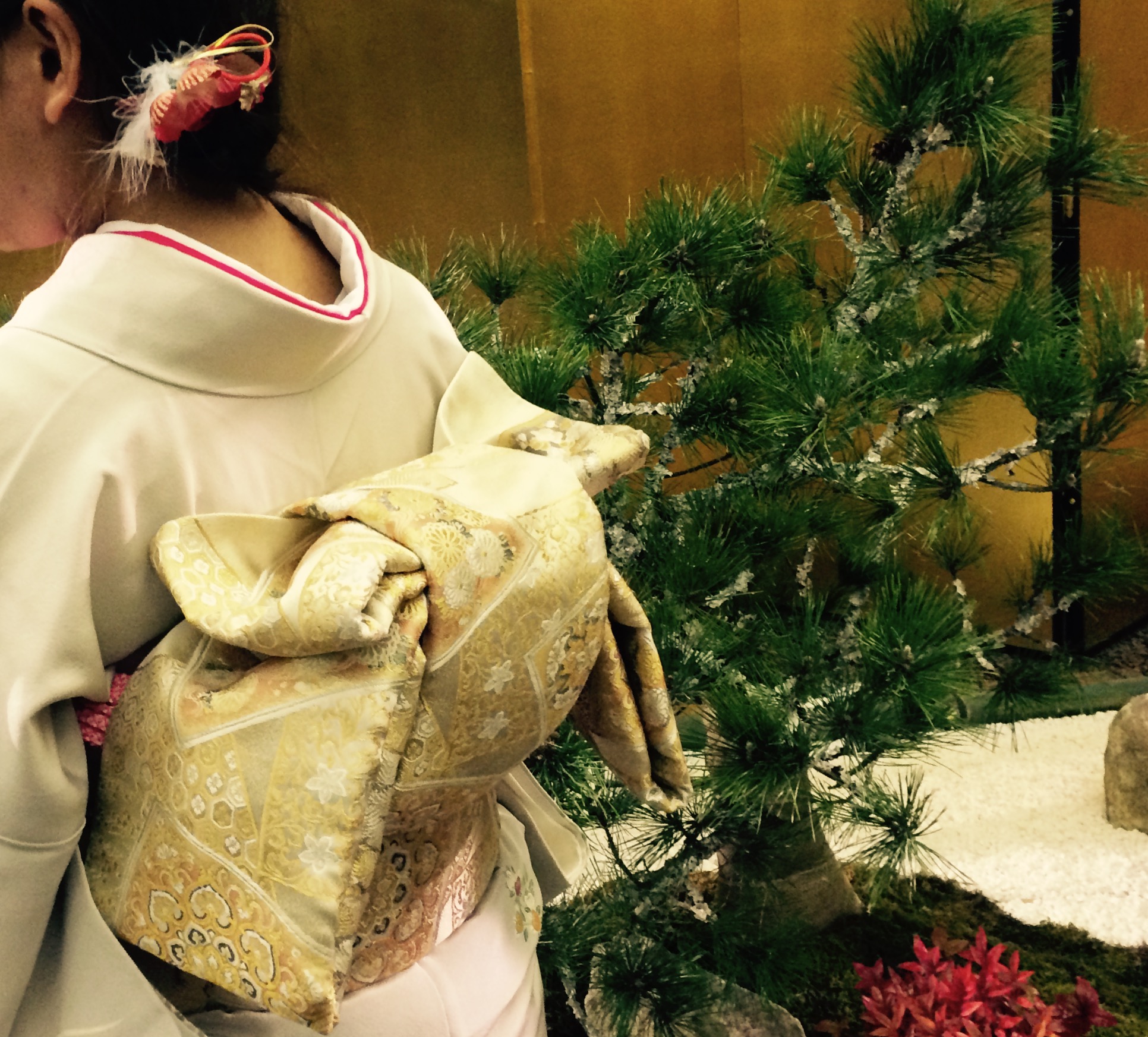
Kanzashi are traditional Japanese hair ornaments that have been worn by women throughout Japan’s history, particularly by geishas and in bridal attire. These exquisite accessories are not only decorative but also hold cultural significance and are considered an art form in their own right.
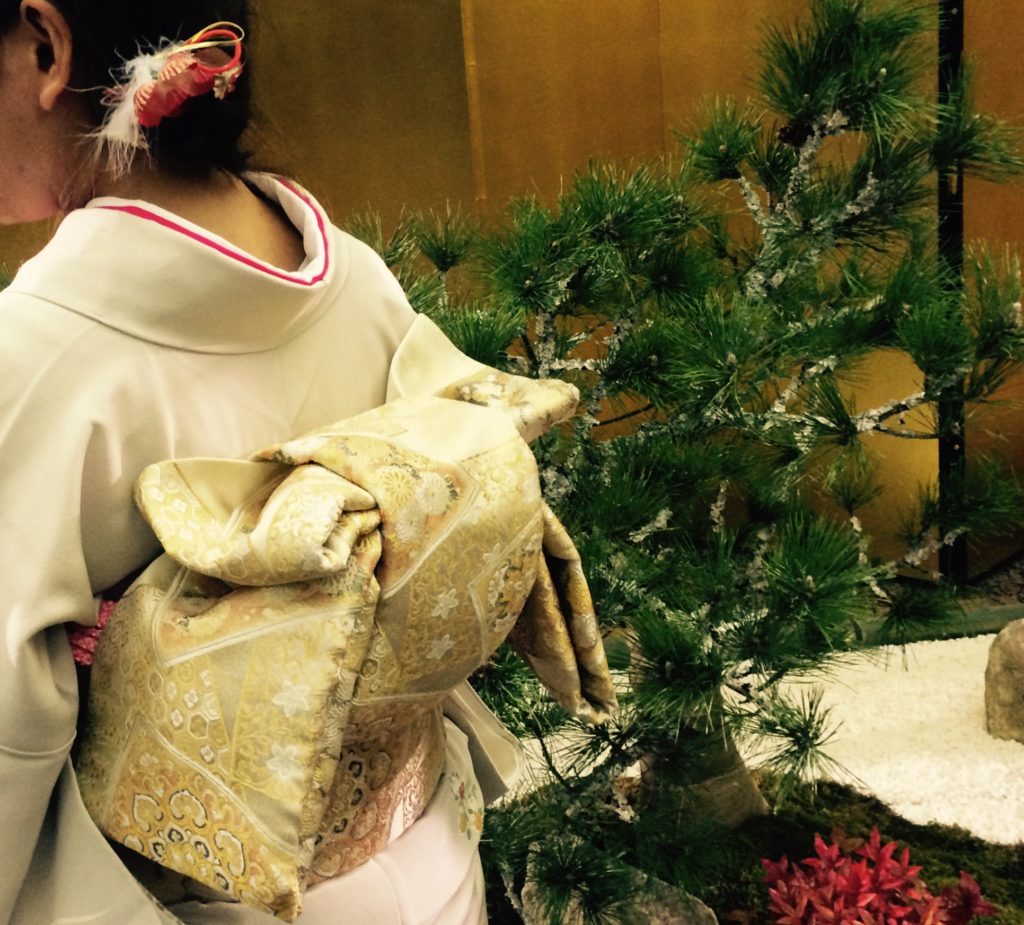
History and Origins
Kanzashi, traditional Japanese hairpins, have a history dating back to the Jomon period (14,000–300 BCE), when simple sticks were used for hair decoration and believed to ward off evil spirits. During the Edo period (1603–1868), kanzashi evolved into elaborate ornaments, symbolizing social status, seasons, and individuality. Crafted from materials like wood, metal, and silk, they became an integral part of traditional hairstyles worn with kimono. Today, kanzashi remain a beautiful symbol of Japanese culture and craftsmanship, blending tradition with modern elegance.
Types of Kanzashi
・Tama Kanzash:Features a simple ball-shaped ornament, often made of lacquered wood or glass, symbolizing elegance and minimalism.
・Hirauchi Kanzashi:Flat, round ornaments with intricate patterns, typically crafted from metal or tortoiseshell, showcasing detailed craftsmanship.
・Bira Bira Kanzashi:Adorned with dangling metal strips or charms that produce a soft jingling sound, adding charm and movement.
・Hanakanzashi:Flower-shaped kanzashi made from silk or fabric, often worn during celebrations like weddings or tea ceremonies.
・Kogai Kanzashi:A long, slender hairpin, often paired with a comb, used to secure elaborate hairstyles.
Cultural Significance
Kanzashi are deeply embedded in Japanese culture. Geishas, for instance, wear kanzashi that correspond to the seasonal changes in their environment, each ornament carefully chosen to symbolize specific attributes or seasonal flowers. Brides in traditional weddings also wear special kanzashi that signify their maiden status and their transition to married life.
Artisanal Craftsmanship
The art of making kanzashi is highly specialized, requiring precision and creativity. Artisans often train for many years to master the techniques needed to create these intricate pieces. The process can involve various methods such as dyeing, folding, cutting, and assembling materials like silk, metal, and precious stones.
Modern Usage and Popularity
While kanzashi originated as traditional hair ornaments for kimono, they have found a place in modern fashion. Today, kanzashi are used as unique accessories for casual hairstyles like buns and updos, adding an elegant touch to everyday outfits. They’re also popular for formal occasions like weddings, blending traditional Japanese charm with contemporary designs. Modern kanzashi come in various materials, including resin and acrylic, making them versatile and accessible for all styles. A timeless accessory with a modern twist!
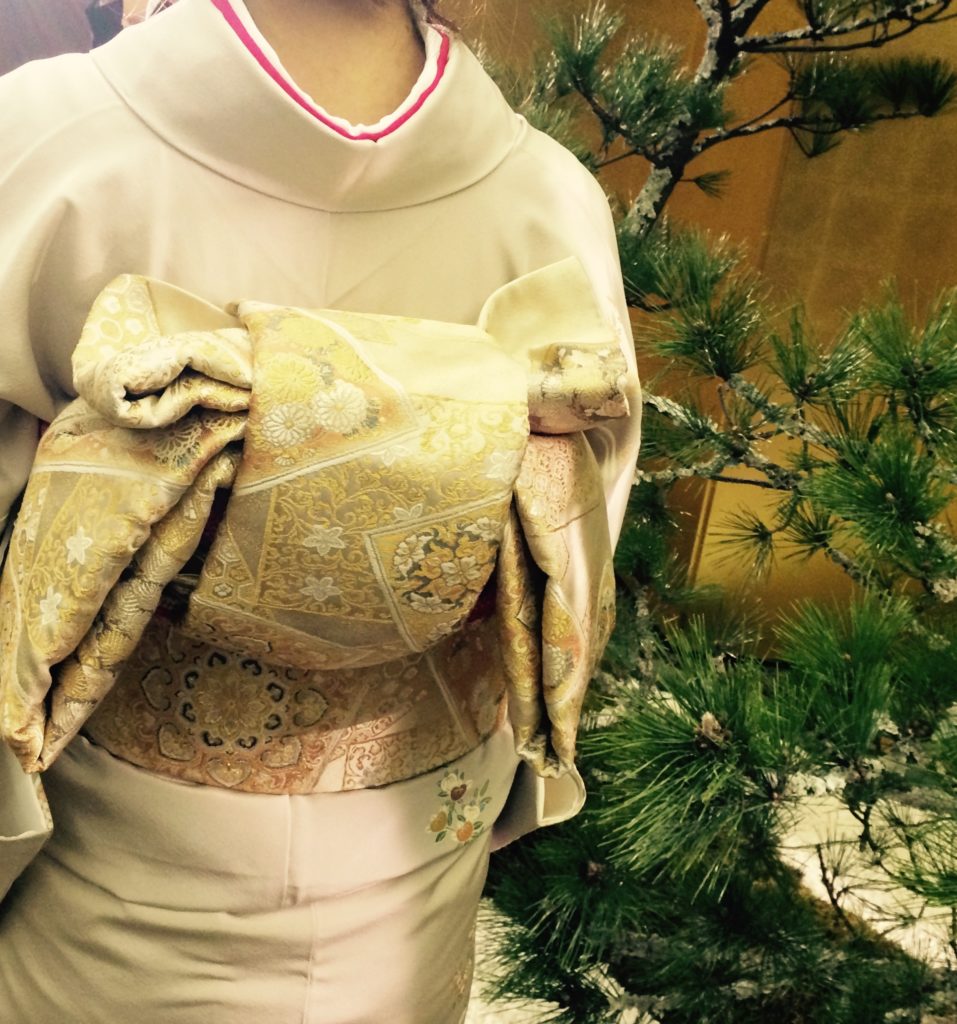
Kanzashi are much more than just hair ornaments; they are a celebration of Japanese craftsmanship and cultural heritage. Whether worn as part of a traditional ensemble or as a statement piece in a modern outfit, kanzashi add a touch of beauty and elegance that transcends time and culture. For anyone visiting Japan or attending a cultural festival, observing or wearing kanzashi is a wonderful way to connect with the historical and artistic traditions of Japanese culture.