

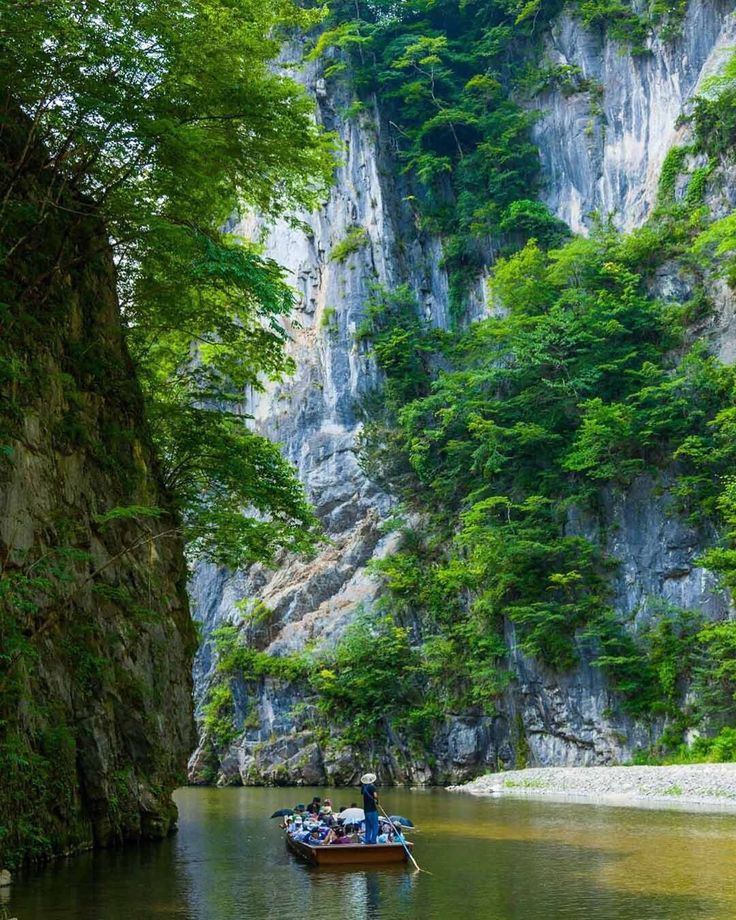
Iwate Prefecture, located in the scenic Tohoku region of Japan, is a treasure trove of unique local foods shaped by its rich history, diverse landscapes, and deep cultural traditions. From the famous “Morioka Three Great Noodles” — Morioka Reimen, Jajamen, and Wanko Soba — to hearty country dishes like Hittsumi-jiru and fresh seafood from the Sanriku Coast, every bite tells a story of the land and its people. Seasonal ingredients such as mountain vegetables in spring, matsutake mushrooms in autumn, and oysters in winter make dining here an ever-changing adventure. In this guide, we’ll explore Iwate’s most beloved dishes, the best spots to try them, seasonal specialties, and even how to bring the taste of Iwate home. Whether you’re planning a trip or simply looking to learn more about Japan’s regional cuisine, this article will help you savor Iwate like a local.
The Local Food Culture of Iwate and Its Unique Appeal
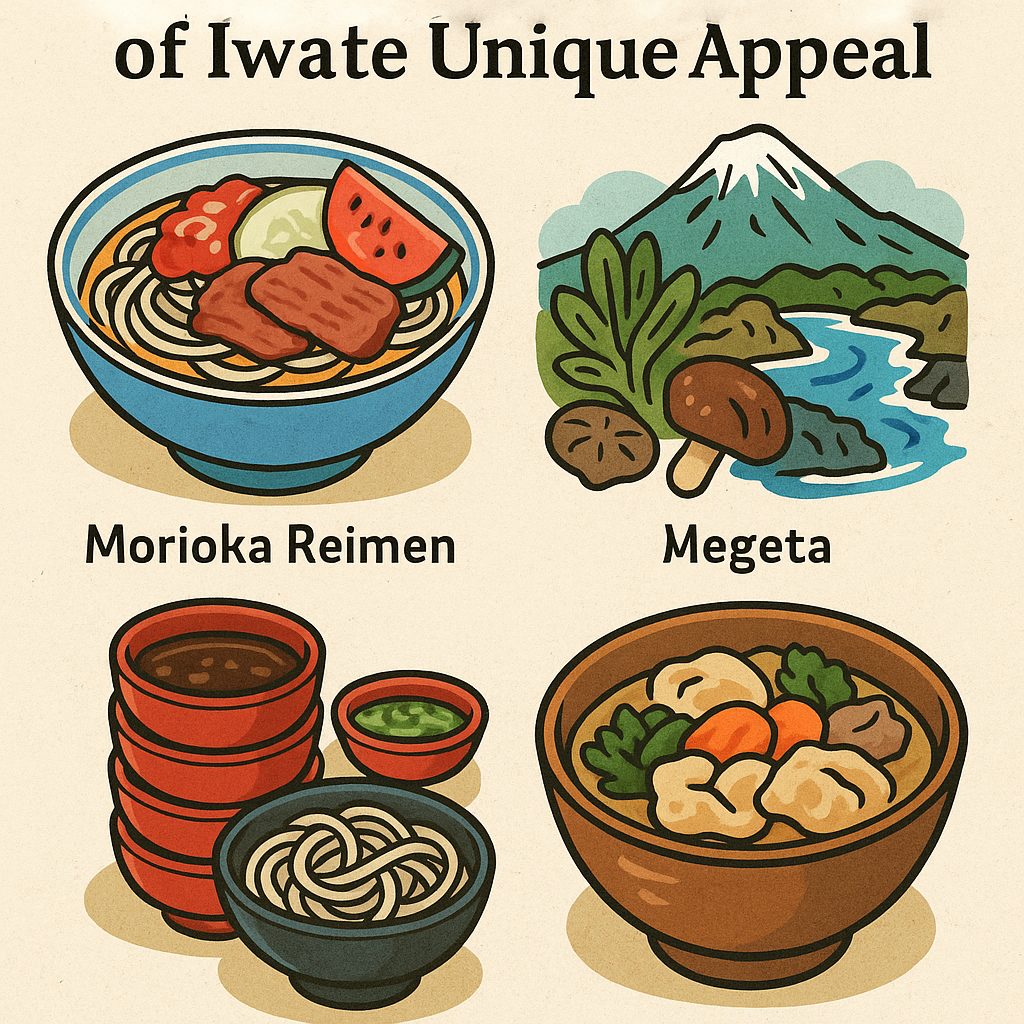
The Three Great Noodle Dishes (Morioka Reimen, Jajamen, and Wanko Soba)
Iwate is famous for its “Three Great Noodles,” each offering a distinct flavor and dining experience. Morioka Reimen, inspired by Korean cold noodles, features chewy noodles in a chilled, savory broth topped with beef, kimchi, and seasonal fruit for a refreshing balance. Jajamen is a hearty noodle dish topped with rich miso-based meat sauce, cucumber, and green onions; diners mix the ingredients together and can finish with chitantan, a hot egg-drop soup made in the same bowl. Wanko Soba is less about a single dish and more about a cultural experience — servers continuously refill small bowls of soba noodles until you’ve had your fill, making it a fun and competitive way to eat. These noodles reflect Iwate’s creativity in adapting and evolving culinary traditions.
Geographical Blessings of Mountains and Sea
Iwate’s location between the Pacific coastline and expansive mountain ranges provides a rich variety of fresh ingredients year-round. The Sanriku Coast is one of the world’s most fertile fishing grounds, producing top-quality oysters, scallops, sea urchin, and bonito. Inland, the fertile plains and cool climate are ideal for growing buckwheat, rice, and vegetables, while the forests yield wild mushrooms and mountain vegetables (sansai). This combination of abundant seafood and farm-fresh produce ensures that Iwate’s local food culture is both diverse and deeply tied to its natural surroundings.
History and Local Pride in Culinary Traditions
Iwate’s cuisine is shaped by centuries of history, from ancient agricultural practices to trade routes that brought new flavors. Traditional dishes often reflect the need to preserve food for long winters, such as dried fish, fermented vegetables, and miso-based stews. Local festivals and events frequently feature regional specialties, allowing communities to celebrate their heritage through food. For Iwate residents, local dishes are more than just meals — they are symbols of identity and pride, passed down through generations and enjoyed together with family and friends.
Must-Try Classic Local Foods of Iwate
Morioka Reimen — Korean Roots with a Local Twist
Morioka Reimen traces its origins to Korean immigrants who brought cold noodle dishes to Japan in the mid-20th century. In Iwate, the recipe evolved to suit local tastes: chewy noodles made from wheat and potato starch are served in a chilled, clear broth with a savory yet refreshing flavor. The toppings are a colorful combination of thinly sliced beef, crisp cucumber, kimchi, and seasonal fruit such as watermelon or pear, adding a sweet contrast to the tangy broth. The dish is especially popular in summer but is enjoyed year-round in Morioka’s many specialty shops.
Jajamen — The Joy of Customizing Your Flavor
Jajamen, inspired by China’s zhajiangmian, is a warm noodle dish topped with a thick miso-based meat sauce, chopped cucumber, and green onions. Diners mix everything together to create a savory, umami-rich bite. The fun doesn’t end when the noodles are gone — customers can ask for chitantan, a finishing soup made by cracking an egg into the leftover sauce and adding hot broth. This personal touch makes each bowl unique, turning a simple meal into a playful, interactive experience.
Wanko Soba — A Culinary Experience in Endless Bowls
Wanko Soba is more than a meal — it’s a lively eating contest and cultural tradition. Served in small bowls, the soba noodles are quickly refilled by attendants as soon as you finish one, accompanied by shouts of encouragement. Many participants aim to eat dozens of bowls, turning the meal into a festive challenge. Whether you manage 30 bowls or 100, Wanko Soba is an unforgettable way to experience Iwate’s hospitality and sense of fun.
Hittsumi-jiru — A Heartwarming Taste of Home
Hittsumi-jiru is a rustic soup made with hand-pulled dough pieces simmered with vegetables, chicken, or fish in a savory broth. The dough has a chewy texture that pairs perfectly with the comforting flavors of seasonal ingredients. Traditionally eaten during colder months, it’s a dish that brings families together and reflects Iwate’s rural warmth. Many restaurants and roadside eateries serve their own versions, often using local produce for added freshness.
Seafood Delights — Oysters, Scallops, and Uni Donburi
Thanks to the nutrient-rich waters of the Sanriku Coast, Iwate boasts some of Japan’s finest seafood. In winter, the oyster season draws visitors eager to enjoy them fresh, grilled, or in hot pots. Scallops are plump and sweet, perfect for sashimi or buttery pan-searing. Uni (sea urchin) is another local treasure, often served over rice as uni donburi, showcasing its creamy texture and rich flavor. Many fishing ports and markets along the coast offer freshly prepared seafood dishes, making them a must-visit for any food lover.
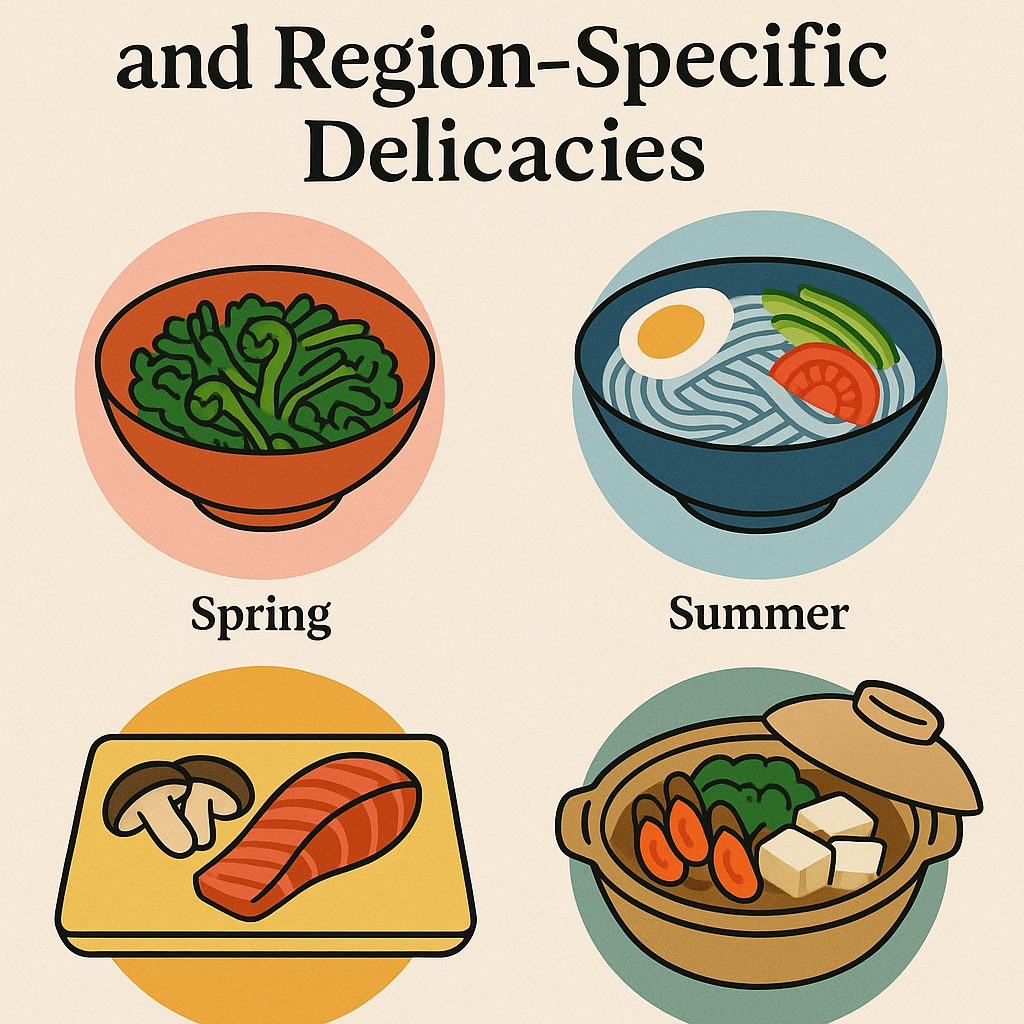
Savoring Seasonal and Region-Specific Delicacies
Spring — Mountain Vegetable Dishes and Local Produce
Spring in Iwate marks the arrival of sansai (mountain vegetables) such as fiddlehead ferns, butterbur shoots, and wild bracken. These are often served tempura-style, lightly fried to highlight their earthy aroma, or simmered in miso-based broths for a comforting taste. Farmers’ markets and roadside stands brim with fresh spinach, asparagus, and local herbs, making spring an ideal time to enjoy Iwate’s connection to the mountains and fields.
Summer — Chilled Noodles and Seaside BBQ
Summer calls for refreshing meals, and Iwate delivers with chilled dishes like Morioka Reimen or cold soba served with dipping sauce. Coastal areas become lively with hamayaki (beachside BBQ) stands, where visitors grill scallops, clams, and squid while enjoying the sea breeze. Popular beaches such as Jodogahama in Miyako offer both scenic beauty and delicious seafood right by the shore, making it a perfect summer day trip.
Autumn — Luxurious Menus with Matsutake and Autumn Salmon
Autumn is harvest season in Iwate, bringing prized ingredients like matsutake mushrooms and autumn salmon (aki-zake). Matsutake is often featured in fragrant rice dishes or grilled simply to enjoy its distinct aroma. Autumn salmon, rich in flavor, is prepared in a variety of ways — from hearty miso stews to sushi and grilled fillets. This season also offers chestnuts, persimmons, and other fruits that complement Iwate’s savory dishes.
Winter — Oyster Huts and Hot Pot Dishes
Winter on the Sanriku Coast is oyster season, and temporary kaki-goya (oyster huts) pop up near fishing ports. Here, diners can feast on freshly shucked oysters, grilled shellfish, and seafood hot pots while staying warm indoors. Inland, winter is the perfect time for hearty nabe dishes like kiritanpo nabe (rice sticks in miso broth) or seafood-filled clay pot stews. These warming meals bring comfort during Iwate’s snowy months and highlight the prefecture’s seasonal bounty.
Recommended Spots to Enjoy Iwate’s Local Food
Popular and Long-Established Restaurants in Morioka City
Morioka, the prefectural capital, is home to many restaurants specializing in the “Three Great Noodles” — Morioka Reimen, Jajamen, and Wanko Soba. Long-established soba houses invite diners to experience the lively Wanko Soba tradition, while family-run noodle shops serve bowls that have been perfected over decades. Several restaurants also offer set menus combining multiple local specialties, making it easy for visitors to sample a variety of flavors in one sitting.
Coastal Markets and Fishing Port Gourmet
The Sanriku Coast offers a feast for seafood lovers, with bustling morning markets and direct-sales stores at fishing ports like Miyako, Kamaishi, and Ofunato. Here you can enjoy oysters, scallops, and uni donburi made from that morning’s catch. Many markets also have on-site grills where you can cook your own seafood or try ready-made delicacies such as grilled dried fish and seafood skewers.
Hidden Gems in the Mountain Regions
Inland Iwate is dotted with small, family-run eateries that serve hearty rural dishes. Mountain villages may offer hittsumi-jiru made with locally grown vegetables or seasonal wild plants. Some ryokan and guesthouses in the countryside prepare special multi-course meals featuring regional game, river fish, and foraged ingredients, giving visitors a truly local and seasonal dining experience.
Roadside Stations and Direct Sales Stores for Local Food
Roadside stations (michi-no-eki) are ideal for tasting and purchasing Iwate’s regional foods in a casual setting. Many feature small eateries serving hot bowls of noodle soup, fresh rice dishes, or seasonal desserts made from local produce. Direct sales stores attached to farms and fisheries sell freshly harvested vegetables, processed seafood, and traditional sweets, allowing travelers to take a piece of Iwate’s flavor home with them.
Enjoying the Flavors of Iwate Through Souvenirs and Mail Orders
Classic Souvenirs — Nambu Senbei and Gomasuri Dango
Nambu Senbei, a traditional cracker made from wheat flour and baked until crisp, is one of Iwate’s most beloved souvenirs. Variations include sesame, peanut, and even savory flavors like miso or squid. Gomasuri Dango is another local favorite — soft rice dumplings filled with sweet black sesame paste that oozes out with each bite. These long-standing treats are available at souvenir shops in train stations, airports, and tourist areas, making them easy to bring home.
Morioka Reimen and Jajamen Meal Sets
For those who want to relive their Iwate dining experience at home, packaged Morioka Reimen and Jajamen sets are widely available. These often include noodles, broth or sauce, and simple instructions, allowing you to recreate the taste of a specialty shop in your own kitchen. Some sets even come with extra condiments like kimchi or miso meat sauce for a more authentic touch. They make excellent gifts for friends who enjoy cooking or trying new flavors.
Iwate Gourmet via Online Orders and Furusato Nozei
Many of Iwate’s regional specialties can be purchased online, either directly from local producers or through large e-commerce platforms. The Japanese Furusato Nozei (hometown tax donation) program is also a great way to support Iwate’s communities while receiving premium local products in return. Options include premium cuts of wagyu beef, fresh or frozen seafood from the Sanriku Coast, artisanal miso, and seasonal fruits. This allows food lovers to enjoy Iwate’s rich flavors no matter where they live.


