

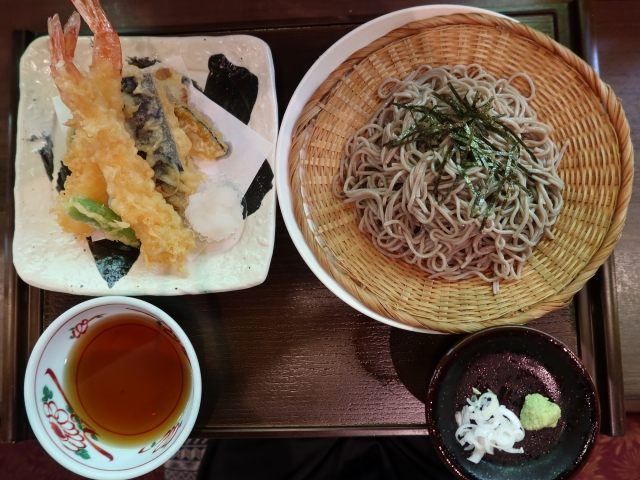
When traveling in Japan, many visitors focus on ramen, sushi, or tempura, but often miss one of the country’s most authentic culinary treasures—soba.
If you love exploring local flavors and traditions, then Ibaraki’s “Soba Kaido” (Soba Highway) is the perfect journey for you. This route connects historic soba restaurants, picturesque countryside, and cultural sites, making it more than just a food trip.In this guide, we will walk you through the highlights of Ibaraki Soba Kaido, including the best soba shops, sightseeing spots, travel tips, and unique experiences like soba-making workshops.By the end of your trip, you will not only taste Japan’s finest buckwheat noodles—made from the famous Hitachi Aki Soba—but also discover the rural charm and warm hospitality of Ibaraki Prefecture.
From local festivals celebrating new soba harvests to centuries-old soba houses, the route is filled with stories that reflect both flavor and tradition.Let’s dive into the complete guide to Ibaraki Soba Kaido and plan your journey to Japan’s buckwheat noodle paradise.
What Is the Ibaraki Soba Kaido? An Introduction to Its Charm
The Location and Area of Soba Kaido
Ibaraki Prefecture is located northeast of Tokyo, only about one to two hours away by train or car. In this prefecture, there is a special route known as the “Soba Kaido”, which means “Soba Highway.” This is not an expressway, but rather a road that connects several famous soba restaurants and farming villages. The route stretches through beautiful countryside landscapes, surrounded by rice fields, mountains, and small towns. Travelers can enjoy driving or taking local trains to explore this cultural food journey.
The idea of a “Soba Kaido” is to bring visitors closer to the roots of soba culture in Ibaraki. Along this route, you can stop at different soba shops, each with its own unique flavor, cooking style, and history. Many visitors also take the chance to see local shrines, temples, and hot springs near the route.
What Is Hitachi Aki Soba?
One of the main reasons Ibaraki is famous for soba is because of its unique variety called Hitachi Aki Soba. This type of buckwheat is known for its strong aroma, nutty taste, and smooth texture. Farmers in Ibaraki have grown this variety for many years, and it is considered one of the best soba grains in Japan.
Hitachi Aki Soba is usually harvested in autumn. At that time of year, many soba restaurants prepare fresh noodles using new buckwheat flour. This period is often called the “Shin Soba Season”, which means “new soba.” During this season, the flavor is especially rich, and many tourists travel to Ibaraki just to taste it.
For visitors who are curious about Japanese food culture, learning about Hitachi Aki Soba is important. It shows how local farmers, chefs, and communities work together to keep traditions alive while also sharing them with new generations.
Why Is the Ibaraki Soba Kaido Popular?
The popularity of Ibaraki’s Soba Kaido comes from the perfect mix of food, culture, and scenery. Here are some reasons why many travelers are drawn to it:
- Authentic Flavor – Unlike soba served in big cities, here you can taste noodles made with freshly milled local buckwheat.
- Cultural Experience – Many soba shops are traditional houses with wooden interiors, tatami seating, and warm hospitality.
- Beautiful Nature – The route passes through rural landscapes, offering views of mountains, rivers, and rice fields.
- Events and Festivals – During the new soba season, local festivals celebrate harvest and invite visitors to join soba tastings.
- Easy Access from Tokyo – Since Ibaraki is close to Tokyo, it makes a perfect day trip or weekend getaway.
For tourists, Soba Kaido is not only about eating noodles—it is about living a local experience. Sitting in an old soba house, hearing the sound of handmade noodles being cut, and enjoying fresh soba with dipping sauce gives you a taste of Japan’s countryside life.
Must-Visit Soba Restaurants in Ibaraki Soba Kaido
1. Tsukuba Soba House (つくば蕎麦処)
Located near the famous Mount Tsukuba, this soba house is well-loved for its simple yet elegant handmade soba. The noodles are made daily using local Hitachi Aki buckwheat, giving them a fragrant aroma and smooth texture. Many visitors combine a trip to the mountain with a soba lunch here. Seasonal dishes such as tempura with mountain vegetables are especially popular.
2. Hitachi Daigo Soba Village (大子そばの里)
Daigo Town, known for its natural hot springs and waterfalls, is also home to a cluster of soba restaurants. The “Soba Village” concept allows you to walk from shop to shop, tasting different styles of noodles. Some restaurants here even let you join soba-making workshops, making it an ideal stop for families or cultural travelers.
3. Moriya Old Town Soba (守谷の古民家そば)
In Moriya, you will find soba restaurants located inside old traditional houses. Eating soba in a wooden building with tatami mats and paper sliding doors feels like stepping back in time. The atmosphere, combined with fresh noodles, makes it one of the most memorable soba experiences along the Kaido.
4. Kasama Ceramic Town Soba (笠間焼の里そば)
Kasama is famous for pottery, and several soba restaurants here serve noodles in beautifully handcrafted ceramic bowls. This unique combination of soba and art makes the experience not just about taste, but also about Japanese craftsmanship. Visitors often enjoy exploring pottery galleries after their meal.
5. Mito’s Local Favorite – Kodai Soba (水戸 古代そば)
In the prefectural capital, Mito, you can find restaurants that specialize in “Kodai Soba,” a style made with whole buckwheat grains that give the noodles a darker color and stronger taste. This variety is different from the standard soba and is loved by locals who prefer a bold, earthy flavor.
Extra Tip: Seasonal Pop-Up Shops
During the autumn “Shin Soba” season, temporary soba stalls appear at local festivals and roadside stations (michi-no-eki). These limited-time shops offer some of the freshest soba you can taste, often served with local sake or seasonal side dishes. Travelers who want a truly authentic experience should try to visit during this season.
How to Enjoy the Soba Kaido with Sightseeing
Sightseeing Spots Near the Soba Kaido
One of the best parts of traveling along the Ibaraki Soba Kaido is that it is not just about eating noodles. The route passes through scenic countryside and cultural towns that offer plenty of sightseeing opportunities. For example:
- Fukuroda Waterfall (袋田の滝) – Known as one of Japan’s three most beautiful waterfalls, it changes its appearance in every season: lush green in summer, colorful leaves in autumn, and even frozen ice in winter.
- Mount Tsukuba (筑波山) – A sacred mountain with hiking trails, ropeways, and a panoramic view from the summit. Many visitors combine a morning hike with a soba lunch nearby.
- Kasama Inari Shrine (笠間稲荷神社) – One of Japan’s three major Inari shrines, famous for its fox statues and seasonal festivals.
- Mito Kairakuen Garden (偕楽園) – A beautiful garden known for its plum blossoms in early spring.
These attractions make the journey along the Soba Kaido even more exciting, as you can balance food experiences with cultural exploration.
Seasonal Ways to Enjoy the Soba Kaido
The charm of the Soba Kaido changes with the seasons.
- Spring – Plum and cherry blossoms bloom, making gardens and temples especially beautiful. Pair soba with seasonal tempura like mountain vegetables.
- Summer – Cool soba noodles are refreshing in the heat, and riverside spots offer a relaxing break from city life.
- Autumn – This is the highlight season. New soba, colorful leaves, and harvest festivals bring many visitors. It’s the best time to taste the rich flavor of freshly milled Hitachi Aki Soba.
- Winter – Warm soba served in broth is perfect for cold days. Some areas also host illuminations or snowy landscapes that give a magical touch to the trip.
Travelers who want the best experience should plan their visit in autumn, when both nature and soba are at their peak.
Model Courses: Half-Day, One-Day, and Weekend Plans
To make the most of your trip, here are some sample courses that combine soba and sightseeing:
- Half-Day Course: Visit Mount Tsukuba in the morning, enjoy a soba lunch at a nearby restaurant, and relax in a hot spring before returning.
- One-Day Course: Start at Fukuroda Waterfall, have lunch at Daigo’s Soba Village, and stop by Kasama Inari Shrine on the way back.
- Weekend Course: Spend Day 1 exploring Mito city and Kairakuen Garden, stay at a local ryokan with hot spring baths, and spend Day 2 traveling along the Soba Kaido, tasting soba and visiting pottery shops in Kasama.
By mixing soba experiences with cultural and natural attractions, your journey along the Ibaraki Soba Kaido becomes more than just a food trip—it becomes a full Japanese countryside adventure.
Access and Transportation Tips for the Ibaraki Soba Kaido
Traveling by Car: Freedom and Scenic Drives
One of the easiest ways to explore the Ibaraki Soba Kaido is by car. From Tokyo, it usually takes about 90 minutes to 2 hours to reach central Ibaraki using the Joban Expressway. Driving gives you the freedom to stop at multiple soba restaurants, roadside stations, and local sightseeing spots along the way. Parking is available at most soba shops, temples, and tourist attractions, making it convenient even for families.
If you enjoy countryside drives, the Soba Kaido offers peaceful rural scenery—rice fields, mountains, and rivers—that make the journey just as enjoyable as the destination. Renting a car from Tokyo, Mito, or Tsukuba is a good option for travelers who want flexibility.
Taking the Train and Bus: Easy for Day Trips
For visitors who prefer public transportation, Ibaraki is also well connected by train.
- From Tokyo to Mito: Take the JR Joban Line Limited Express “Hitachi” or “Tokiwa,” which takes about 65–80 minutes.
- From Tokyo to Tsukuba: Take the Tsukuba Express Line (about 45 minutes), then use local buses or taxis to reach soba restaurants in the area.
- From Mito to Daigo Town (Soba Village): The JR Suigun Line connects Mito and Daigo in about 70 minutes.
Buses are also available from Mito and Tsukuba to major attractions such as Fukuroda Waterfall and Mount Tsukuba, where soba shops are located nearby. For those planning a one-day trip without a car, combining train and bus routes is a practical choice.
Travel Tips for Families and Pet Owners
Traveling with children or pets is also possible along the Soba Kaido.
- For families with kids: Many soba restaurants have tatami seating, which is comfortable for children. Some even provide small portions or simple dishes like tempura or rice sets. Attractions like Mount Tsukuba and Fukuroda Waterfall also have family-friendly facilities.
- For pet owners: Certain roadside stations (michi-no-eki) and cafes welcome dogs. While not every soba restaurant allows pets inside, some have outdoor terrace seating where pets are accepted. It is a good idea to check in advance or choose a pet-friendly stop along the way.
Whether you rent a car for freedom or use trains for convenience, Ibaraki’s Soba Kaido is easy to access from Tokyo, making it a perfect trip for food lovers, families, and anyone seeking an authentic countryside experience.
Experiences and Stays to Fully Enjoy the Soba Kaido
Join a Soba-Making Workshop
One of the best ways to experience the culture of the Soba Kaido is by making noodles yourself. Several restaurants and community centers in Ibaraki offer soba-making workshops where you can knead, roll, and cut buckwheat dough under the guidance of local masters. These workshops are beginner-friendly and often include an English explanation or visual guides.
After the class, you get to enjoy the noodles you made with dipping sauce and seasonal side dishes. For families and groups, this hands-on experience is both educational and fun, making it a perfect memory of your trip.
Stay in a Ryokan with Hot Springs
To turn your soba trip into a relaxing getaway, consider staying at a ryokan (traditional Japanese inn) with hot springs. Popular areas like Daigo Onsen or Mount Tsukuba’s hot spring towns offer inns where you can soak in mineral-rich baths after a day of exploring. Dinner often includes regional dishes, and sometimes even soba, giving you another chance to taste Ibaraki’s local food culture.
Spending the night in a ryokan also lets you enjoy Japanese-style hospitality, from tatami rooms and yukata robes to multi-course meals served with seasonal ingredients.
Combine Food, Culture, and Art in a Weekend Plan
For travelers who want a richer journey, staying overnight allows you to explore at a slower pace. Here are some ideas for a weekend itinerary:
- Day 1: Arrive in Mito, visit Kairakuen Garden, and have dinner at a local soba restaurant. Stay overnight in a ryokan with hot springs.
- Day 2: Travel along the Soba Kaido, stopping at Daigo’s Soba Village and Fukuroda Waterfall. Join a soba-making class in the afternoon, then explore Kasama’s pottery town before heading back to Tokyo.
This combination of food, nature, and culture makes the Soba Kaido more than just a dining route—it becomes a journey into the heart of rural Japan.


