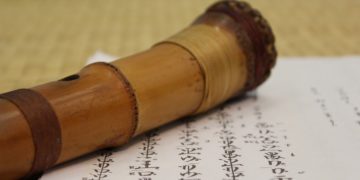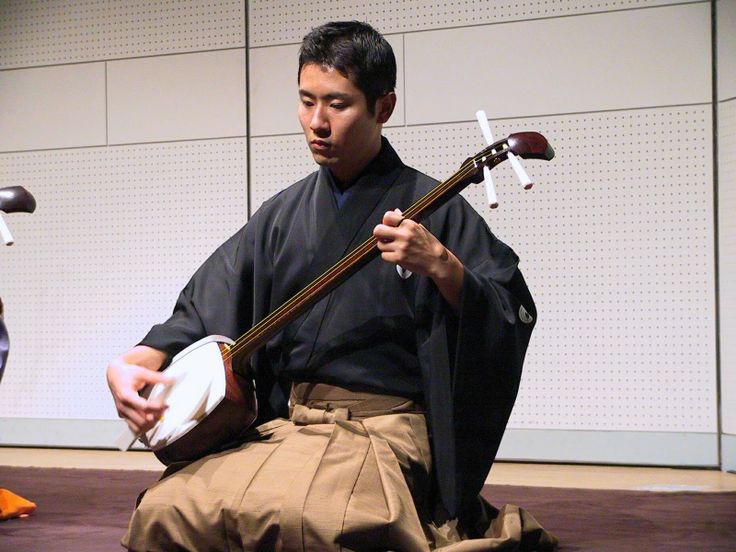
The shamisen, a three-stringed traditional Japanese instrument, has shaped the country’s music and culture for centuries. From the dramatic sounds of kabuki theater to the powerful rhythms of Tsugaru folk songs, famous shamisen pieces have become symbols of Japan’s rich musical heritage. Whether you are a curious listener, a beginner student, or a traveler seeking authentic Japanese experiences, learning about these iconic songs will deepen your appreciation of the shamisen’s expressive power. In this guide, we explore classic repertoires, regional variations, beginner-friendly tunes, and modern adaptations, offering a complete look at the most celebrated shamisen music.
Shamisen Basics and Its Appeal
Origins and History of the Shamisen
The shamisen is a three-stringed instrument introduced to Japan in the 16th century, originally derived from the Chinese sanxian. Over time, it was adapted to Japanese music and became a central instrument in kabuki theater, bunraku puppet plays, and folk traditions. Its versatility allowed it to flourish in both classical and popular contexts, from refined Edo-period entertainment to lively regional folk songs.
Types and Genres of Shamisen
There are several main styles of shamisen playing, each associated with a different cultural tradition:
- Tsugaru Shamisen – Known for its dynamic, improvisational style originating in northern Japan.
- Gidayū-bushi (Gidayū Shamisen) – Used in bunraku puppet theater, producing dramatic, narrative-driven sounds.
- Nagauta Shamisen – The “long song” style often accompanying kabuki dance performances.
- Min’yō Shamisen – Popular in regional folk songs across Japan.
Each genre uses slightly different shamisen sizes and playing techniques, giving the instrument incredible variety of expression.
The Unique Sound and Its Emotional Depth
What makes the shamisen stand out is its distinctive tone—a sharp, percussive attack followed by a lingering resonance. Played with a large plectrum called a bachi, the instrument can produce both delicate melodies and powerful rhythms. Its sound captures a wide emotional spectrum: from the energetic drive of festival music to the melancholy of folk ballads. For many, the shamisen is a symbol of Japan’s ability to balance strength, elegance, and storytelling in a single instrument.
Famous Shamisen Songs by Style
Tsugaru Shamisen: Dynamic Folk Masterpieces
The most internationally recognized style of shamisen music comes from northern Japan’s Tsugaru region. The standout piece is “Tsugaru Jongara Bushi”, a powerful and improvisational tune that showcases both the energy and virtuosity of the player. Other well-known Tsugaru songs include “Tsugaru Aiya Bushi” and “Tsugaru Yosare Bushi”, each blending fast rhythms with soulful melodies. These pieces are often performed in competitions and concerts, highlighting the shamisen as a solo instrument with a dramatic stage presence.
Gidayū Shamisen: Narratives of Bunraku Theater
In contrast, the Gidayū style is primarily tied to bunraku puppet theater. Famous pieces here are not stand-alone songs but are integrated into long narrative performances. Works such as “Kanadehon Chūshingura” (The Treasury of Loyal Retainers) feature the shamisen as an essential storyteller, supporting the emotional depth of puppetry and narration. This style is dramatic and expressive, emphasizing tone and rhythm that follow the story’s tension.
Nagauta Shamisen: Kabuki’s Musical Companion
The Nagauta style, literally meaning “long song,” developed as the musical backdrop for kabuki theater. Famous examples include the “Kanjinchō” piece, which accompanies one of kabuki’s most iconic plays. The shamisen here blends seamlessly with vocals and percussion, creating a layered musical atmosphere that mirrors the intensity of the stage. Nagauta shamisen pieces are elegant and rhythmic, often tied to dance and movement.
Min’yō Shamisen: Folk Songs Across Japan
In folk traditions, the shamisen supports regional min’yō songs such as “Sōran Bushi” from Hokkaido or “Aizu Bandaisan” from Fukushima. These are songs of everyday life, fishing, farming, and festivals, where the shamisen acts as both accompaniment and rhythm keeper. Unlike classical forms, min’yō shamisen is community-oriented, making it one of the most familiar ways people across Japan experience the instrument.
Beginner-Friendly Shamisen Pieces
Simple Practice Pieces for Starters
For beginners, the shamisen can feel challenging at first due to its unique tuning and the large plectrum (bachi) used to strike the strings. That’s why many learners begin with simple melodies such as “Sakura Sakura”, a well-known Japanese folk tune. Its slow tempo and clear melody make it easy to practice finger placement and rhythm without feeling overwhelmed.
Folk Songs for Easy Learning
Japanese min’yō (folk songs) are often recommended for early learners because of their repetitive structures and strong rhythms. Pieces like “Sōran Bushi” from Hokkaido or “Tankō Bushi” (Coal Miners’ Song) are excellent entry points. These songs are both fun to play and familiar to Japanese audiences, giving learners an immediate sense of connection to cultural traditions.
Accessible Ensembles and Learning Path
Another way for beginners to enjoy the shamisen is by learning ensemble versions of popular songs with koto or vocals. Short, simplified versions of “Tsugaru Jongara Bushi” are sometimes taught to beginners, allowing them to taste the famous style without the technical difficulty of full-length performances. Many shamisen schools and community groups emphasize these adapted versions, making the learning process approachable while still connecting students to iconic repertoires.
The Shamisen in Modern Music and Global Culture
Yoshida Brothers and Contemporary Performers
In the late 20th and early 21st centuries, the shamisen gained new popularity through artists such as the Yoshida Brothers. Their fast, powerful renditions of Tsugaru shamisen pieces blended traditional technique with modern stage presence, often accompanied by drums, keyboards, and even rock instruments. This helped the shamisen reach global audiences, where it was seen not just as a traditional Japanese instrument but as a tool for exciting fusion music.
Shamisen in Anime, Films, and Popular Media
The shamisen has also found a place in pop culture. It appears in anime soundtracks, period dramas, and films that want to highlight Japanese tradition. Movies like Memoirs of a Geisha or Spirited Away have used the shamisen’s sound to evoke atmosphere. Its sharp, distinctive tone creates an immediate cultural connection, whether for dramatic effect or background ambiance.
International Fusion and World Music
Outside Japan, many musicians have integrated the shamisen into world music ensembles. Collaborations with jazz bands, rock groups, and electronic artists demonstrate its versatility. In the United States and Europe, shamisen schools and performers actively share the instrument through concerts, workshops, and festivals. Today, it symbolizes a bridge between Japanese tradition and global innovation, proving that even an instrument with centuries of history can thrive in modern creative landscapes.
How to Enjoy Shamisen Music Today
Live Performances and Concerts
One of the best ways to experience the shamisen is through live performances. Traditional concerts are held in theaters across Japan, often connected with kabuki or bunraku productions. Meanwhile, Tsugaru shamisen competitions in northern Japan showcase energetic improvisations that thrill audiences. Travelers can also find smaller performances at cultural centers, shrines, and festivals, where the shamisen’s sound blends naturally with its surroundings.
Online Platforms and Recordings
For those who cannot travel to Japan, the shamisen is easily accessible through online platforms. YouTube and streaming services feature both traditional performances and modern collaborations. Many professional players also share tutorials, giving beginners a way to connect with the instrument globally. Recordings of classics like “Tsugaru Jongara Bushi” or contemporary arrangements by groups such as the Yoshida Brothers make it easy to enjoy shamisen music anytime.
Learning and Community Participation
If you feel inspired to play, there are many options to learn the shamisen today. Music schools in Japan and abroad offer lessons, and some communities organize workshops where participants can try the instrument firsthand. Beginner-friendly shamisen made from synthetic materials provide affordable entry points, while traditional bamboo-skinned shamisen connect learners directly to history. Many local groups and associations welcome newcomers, making the shamisen not just music but a shared cultural experience.