The shakuhachi is more than just a bamboo flute—it is a symbol of Japan’s rich cultural heritage and spiritual expression. Its name literally means “one shaku eight sun” (about 54.5 cm), referring to its traditional length. With its hauntingly beautiful sound, the shakuhachi has been used for centuries in Zen meditation, classical music, and folk traditions. Today, it continues to inspire musicians worldwide, appearing in everything from traditional ensembles to modern film scores. In this article, we’ll explore the meaning, history, structure, and unique sound of the shakuhachi, as well as how it is enjoyed and studied in the present day.
What is the Shakuhachi? Basic Meaning and Overview
Definition and Characteristics of the Shakuhachi
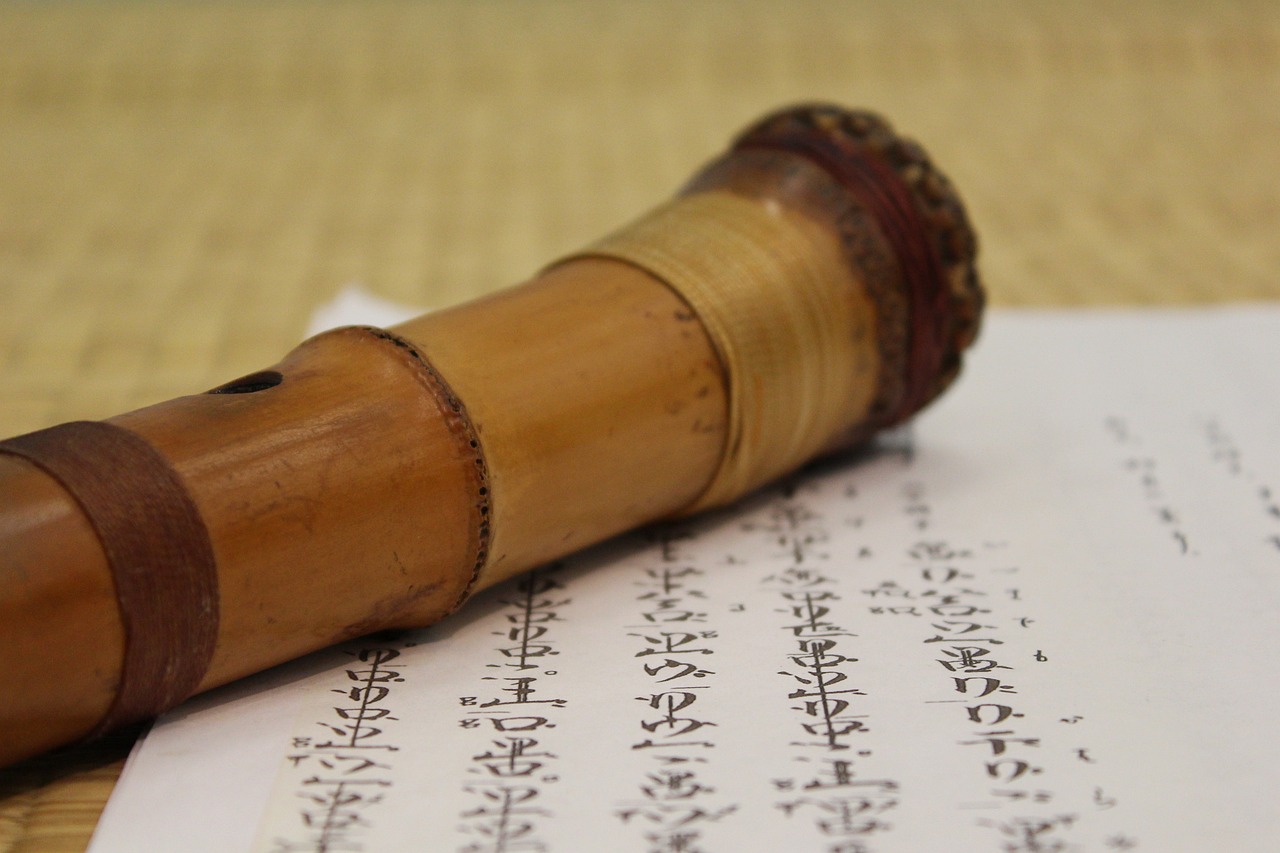
The shakuhachi is a traditional Japanese end-blown bamboo flute, easily recognized by its straight form and distinctive notched mouthpiece. It typically has five finger holes—four in the front and one in the back—which allow players to produce a wide range of notes, tones, and subtle pitch variations. Unlike Western flutes, which are engineered for precise tuning, the shakuhachi is valued for its flexibility of sound, making it capable of producing both hauntingly airy tones and strong, clear melodies.
The Origin of Its Name: “One Shaku Eight Sun”
The word shakuhachi literally translates to “one shaku, eight sun”—an old Japanese unit of measurement. One shaku is roughly 30.3 cm, and eight sun is about 24.2 cm, totaling approximately 54.5 cm, the standard length of the instrument. While most shakuhachi follow this size, variations exist, with longer or shorter flutes producing different tonal ranges. This connection to measurement highlights the practical origins of the name, but today it also symbolizes the instrument’s tradition and authenticity.
The Sound and Its Spiritual Appeal
The shakuhachi is renowned for its ethereal, breathy sound, often described as embodying ma (the Japanese aesthetic of space and silence) and wabi-sabi (the beauty of imperfection). The tones resemble natural sounds such as wind, water, or birdsong, making the instrument deeply connected to Zen Buddhist meditation and the philosophy of finding harmony with nature. For centuries, it has been played not only as a musical instrument but also as a tool for mindfulness, spiritual reflection, and inner calm.
The History and Cultural Background of the Shakuhachi
Early Origins and Introduction to Japan
The shakuhachi has roots tracing back to ancient China, where similar bamboo flutes were first developed. It was introduced to Japan around the 8th century during the Nara period, initially as part of gagaku (court music). Over time, the Japanese developed their own style of construction, performance, and repertoire, transforming the instrument into something uniquely Japanese.
Shakuhachi and the Komusō Monks
One of the most fascinating chapters in the shakuhachi’s history is its association with the Komusō monks of the Fuke sect of Zen Buddhism during the Edo period (1603–1868). These monks, identifiable by their basket hats (tengai), played shakuhachi as a form of spiritual meditation and alms-seeking. Their pieces, known as honkyoku, were not merely music but breathing exercises and spiritual practice, reflecting the Zen pursuit of enlightenment through sound and silence.
From Edo Period to Modern Times
While the Fuke sect was later abolished, the shakuhachi survived as both a folk and classical instrument, becoming popular in ensembles with shamisen and koto. During the 20th century, it gained recognition beyond Japan, appearing in Western classical compositions and film soundtracks. Today, the shakuhachi is seen as both a traditional cultural treasure and a versatile global instrument, bridging Japan’s past with modern artistic expression.
How the Shakuhachi is Played and Its Structure
Mouthpiece and Finger Holes
Unlike Western flutes with a defined embouchure hole, the shakuhachi has a notched mouthpiece cut at an angle, requiring players to blow across the edge much like blowing on a bottle. It usually has five finger holes—four in the front and one at the back. Despite the limited number of holes, skilled players can produce a wide tonal range by adjusting breath pressure, lip shape, and finger placement.
Producing Sound and Techniques
Playing the shakuhachi is considered both challenging and meditative. To produce a clean sound, players must learn to control breath (kokyū) with precision. The instrument allows for expressive techniques such as bending notes, sliding between pitches, and creating subtle vibrato, giving it a voice-like quality. Beginners often struggle just to make a single note, but with practice, the shakuhachi reveals its depth and versatility.
Comparison with Other Flutes
While instruments like the shinobue (a Japanese transverse flute) or Western flute rely on exact tuning and fingerings, the shakuhachi emphasizes microtones and expressive intonation. This makes it especially suited for solo pieces (honkyoku) where subtle shifts in pitch and breath are essential. Its ability to imitate natural sounds—wind, birds, water—sets it apart from other flutes, reinforcing its role as a tool for both music and meditation.
The Music and Modern Use of the Shakuhachi
Traditional Repertoire and Honkyoku
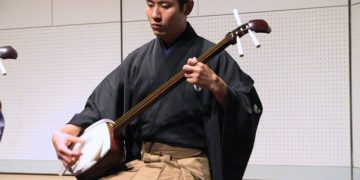
The shakuhachi’s most iconic repertoire is honkyoku, the solo pieces originally played by Zen monks. These compositions are less about melody and more about breathing, tone, and silence, reflecting spiritual practice. Each note carries depth, with long pauses that allow the listener to feel the natural rhythm of life. Besides honkyoku, the shakuhachi is also an essential instrument in sankyoku ensembles, where it plays alongside the koto and shamisen in more structured classical pieces.
Folk Songs and Popular Melodies
Beyond Zen and classical traditions, the shakuhachi has long been used to perform folk songs (min’yō). Its expressive range allows it to capture the voices of everyday people, from joyful festival tunes to melancholic rural ballads. The instrument has also been used to accompany theater, dance, and storytelling, showcasing its versatility as a bridge between high art and local culture.
Modern Adaptations in Global Music
In the 20th and 21st centuries, the shakuhachi has transcended its traditional role. It has appeared in film scores (such as “Memoirs of a Geisha” and even Hollywood action movies), anime soundtracks, and fusion bands blending Japanese instruments with rock or jazz. International musicians have embraced the instrument, with shakuhachi schools established worldwide. Today, it symbolizes not only Japanese tradition but also global creativity, proving that an ancient bamboo flute can find new life in modern music.
Learning and Enjoying the Shakuhachi Today
Where to Experience the Shakuhachi
For beginners curious about the instrument, there are many ways to experience the shakuhachi today. In Japan, music schools, cultural centers, and local workshops often host introductory lessons. In major cities worldwide, there are also shakuhachi associations and study groups, offering lessons both in person and online. Even short trial classes allow people to feel the breath control and unique sound firsthand.
Instruments and Price Range
Shakuhachi can vary widely in price and quality. Beginner-friendly instruments made of plastic or resin provide an affordable entry point, costing around $50–100. Traditional bamboo shakuhachi crafted by artisans, however, may range from several hundred to several thousand dollars depending on craftsmanship, tuning, and bamboo quality. Many learners start with a synthetic version before investing in a handcrafted flute.
Continuing the Tradition in Modern Life
Today, the shakuhachi is enjoyed not only as a musical pursuit but also as a form of mindfulness and wellness practice. Its connection with breathing makes it appealing to those interested in meditation or stress relief. For musicians, it provides a fresh voice that can be integrated into jazz, world music, or even electronic soundscapes. By learning and sharing the shakuhachi, modern players continue to carry forward a tradition that is centuries old, ensuring that this bamboo flute remains a living symbol of Japanese culture and creativity.