Have you ever typed “chopstics” and wondered what it really means?
In most cases, it’s simply a common misspelling of “chopsticks”, the traditional Asian eating utensils. But the word has also been adopted in other contexts—such as product names, apps, and even the title of a famous piano tune. This article explores the true meaning of “chopstics,” its cultural background, and some fun trivia about chopsticks you may not know.
What Does “Chopstics” Mean?
The Correct Word: Chopsticks
The word people usually mean when they type “chopstics” is actually “chopsticks”, spelled with “-cks” at the end. Chopsticks are the traditional eating utensils used across East Asia, including Japan, China, Korea, and Vietnam. They are typically made of wood, bamboo, or metal, and are used in pairs to pick up food. The misspelled version, “chopstics,” is not recognized in English dictionaries and does not refer to a separate word. Instead, it is simply a variation caused by dropping one letter.
Why “Chopstics” Appears in Searches
Despite being a typo, “chopstics” appears often in online searches. There are two main reasons:
- Typing Mistakes – Many people accidentally leave out the “k” when writing quickly on a keyboard or smartphone, resulting in “chopstics.” Search engines automatically suggest or correct it, which is why the term shows up frequently.
- Simplification or Abbreviation – Some users intentionally shorten “chopsticks” to “chopstics” for convenience, especially in informal writing or usernames online. Over time, this misspelling has also been used in product names, app titles, and even casual brand marketing, which makes the term appear more often than expected.
In short, “chopstics” is not a separate word but a common misspelling or shorthand of “chopsticks.”
The Cultural Meaning of Chopsticks
Chopsticks in Japanese Daily Life
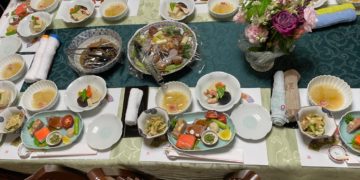
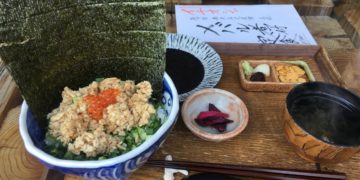
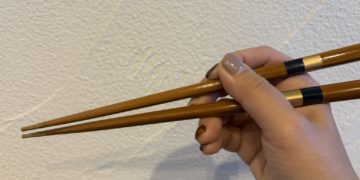
In Japan, chopsticks are more than just utensils — they are deeply woven into daily life and traditions. Most households use them for every meal, whether it’s rice, miso soup, or side dishes. Children are taught at a young age not only how to hold chopsticks properly but also the etiquette surrounding them, such as avoiding pointing, sticking them upright in rice (a gesture linked with funerals), or passing food directly from chopstick to chopstick (which resembles a ritual for the deceased). Beyond dining, chopsticks symbolize manners, discipline, and respect for food. Using them correctly is often seen as a reflection of one’s upbringing and awareness of Japanese culture.
Symbolism of Chopsticks in Asia
Across Asia, chopsticks carry rich symbolic meanings. In China, they are associated with prosperity and family unity, and giving a pair of chopsticks as a wedding gift symbolizes a wish for the couple to always be together. In Korea, metal chopsticks are traditional, often paired with a spoon, representing balance and practicality. In Japan, as mentioned, they carry a strong link to ritual and etiquette, reflecting respect toward both food and ancestors. Altogether, chopsticks are not just tools; they are cultural symbols that represent shared meals, community, and a sense of belonging across generations.
Is “Chopstics” Used as a Brand or Title?
Chopsticks as a Song or Music Reference
Interestingly, the word “chopsticks” has been used in the world of music and arts. The most famous example is the simple piano duet called “Chopsticks”, composed in the 19th century. It is often the very first piece that beginners learn to play on the piano because of its easy rhythm and playful melody. Beyond the piano, the word “chopsticks” sometimes appears in song lyrics or band names as a metaphor for playfulness, simplicity, or everyday life. While the misspelled version “chopstics” is less common, people searching with this spelling may still be referring to these musical references.
Product Names and Services Called “Chopstics”
In addition to music, “Chopstics” (or the correct spelling, “Chopsticks”) is sometimes used in product names, restaurant chains, and digital services. For example, many Asian restaurants outside Japan adopt the name “Chopsticks” or a variant like “Chopstix” or “Chopstics” to immediately signal Asian cuisine to customers. Some mobile apps or startups have also played with this spelling for branding purposes, aiming to be catchy, modern, and memorable. The word resonates because it is strongly linked with Asian identity, food culture, and ease of recognition for international audiences.
Common Mistakes and How to Avoid Them
Frequent English Spelling Errors
When learning English, it is natural for Japanese learners to make small spelling errors, especially with words borrowed from daily life. One frequent mistake is writing “chopstics” instead of “chopsticks.” The “-ics” ending feels natural because many English words, like “physics” or “electronics,” use that form. However, in this case, the correct spelling is “chopsticks,” ending with “-icks.” Other common spelling errors among learners include words like separete (instead of separate) or recieve (instead of receive). These examples show how silent letters, unusual endings, or confusing vowel orders can easily trip up learners.
Tips for Remembering “Chopsticks”
A simple way to remember the correct spelling is to break the word into two clear parts: “chop” + “sticks.” Chop means “to cut,” and sticks refers to the two utensils used together. Thinking of chopsticks as “sticks for chopping food” makes the word logical and easier to recall. Another memory trick is to visualize the letters: the double “s” in the middle can be thought of as two sticks side by side, reminding you of the utensil itself. For those who like history, it helps to know that the word comes from the Chinese phrase “chop chop,” meaning “quickly,” combined with “sticks.” This origin highlights how chopsticks are tools for eating food quickly and efficiently.
Fun Facts and Trivia about Chopsticks
Types of Chopsticks Around the World
Chopsticks may look simple, but they vary greatly depending on the country. Japanese chopsticks are usually shorter and taper to a fine point. This design makes it easier to pick up delicate food like fish, sushi, or small beans. They are often made from wood or lacquered materials, reflecting Japanese aesthetics.
In contrast, Chinese chopsticks are typically longer and thicker, with blunt ends. Their size is practical because Chinese dining often involves sharing large dishes placed in the center of the table. The longer length allows diners to reach food more easily.
Meanwhile, Korean chopsticks are unique because they are often made of stainless steel and are flat rather than round. This design traces back to royal dining traditions, where silver utensils were used to detect poison. Today, they are paired with a spoon and reflect Korea’s rich culinary culture.
Chopsticks Etiquette to Remember
For foreigners dining in Japan, learning a few key rules about chopsticks can make a big difference. One important tip is never to stick chopsticks upright into a bowl of rice, as this resembles a funeral ritual. Similarly, passing food directly from one set of chopsticks to another is avoided, since it also imitates funeral practices.
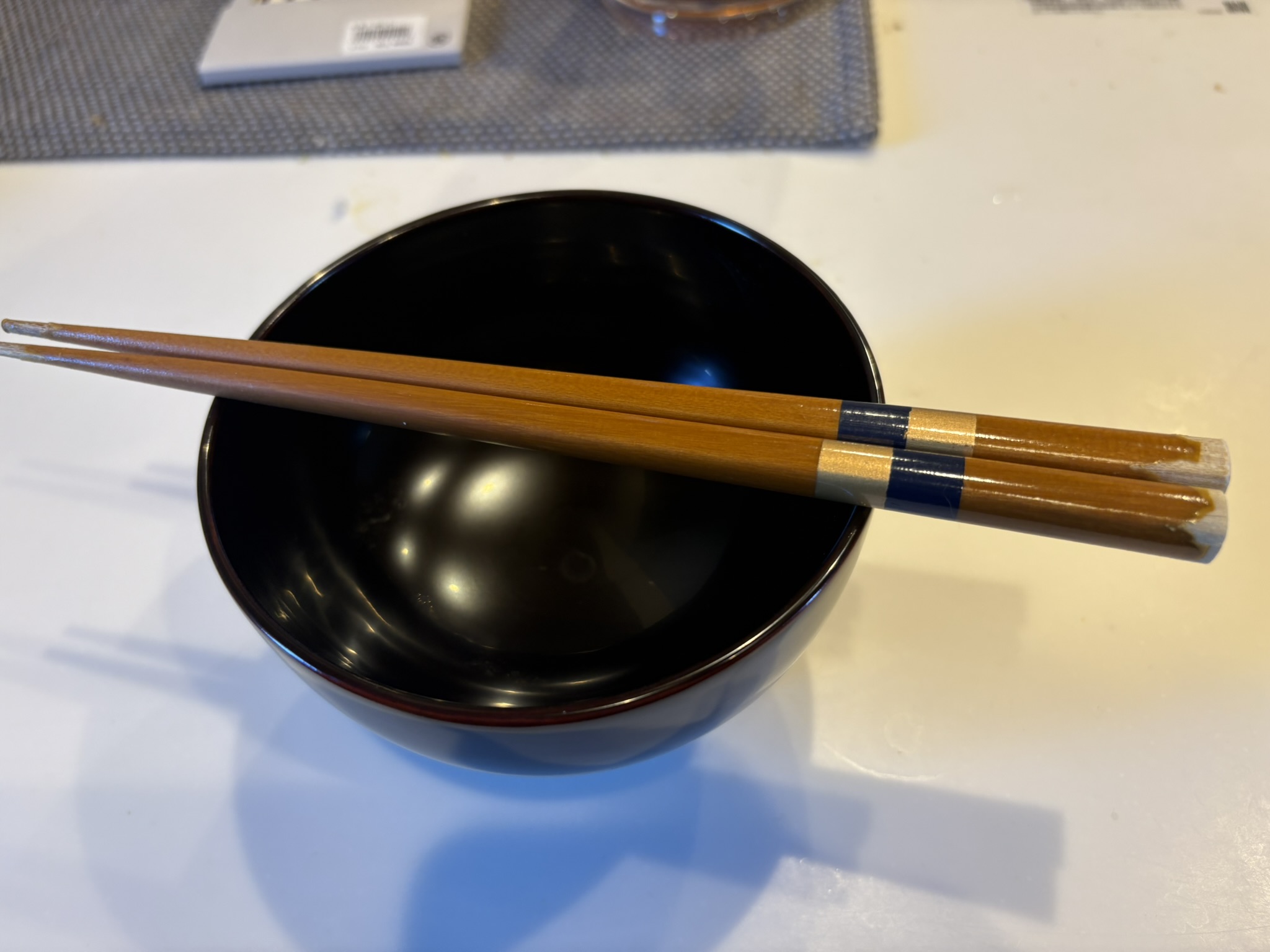
Other etiquette rules include avoiding pointing with your chopsticks, playing with them, or spearing food like a fork. Instead, chopsticks should be handled gently and respectfully. On the positive side, placing chopsticks neatly on the holder (hashioki) after eating shows good manners. By following these customs, visitors can not only enjoy their meal but also show respect for local culture.