

You’re a Pokémon fan traveling in Japan, and you’ve heard whispers about special manhole covers in Yamanashi. But where are they? Are they really worth seeing? Can you visit them all in a single trip?
As someone who’s wandered the streets of Kofu and marveled at a giant Charizard on the ground, I get the thrill. You’re not alone in wanting that perfect Instagram shot or a unique family adventure.
This article gives you a complete, easy-to-follow guide to all the Pokémon-themed manholes (Pokéfuta) in Yamanashi. With detailed maps, nearby spots, and travel tips, we make your visit smooth and exciting.
Based on firsthand visits, official maps, and feedback from real travelers, this guide is made for both fans and families. No fluff—just practical and fun info.
Imagine spotting your favorite Pokémon on a quiet street, surrounded by cherry blossoms or Mount Fuji views. These aren’t just covers—they’re small surprises that spark joy and nostalgia.
Ready to catch ’em all—on the streets of Yamanashi? Scroll down and start your Pokéfuta journey today!
Where to Find All the Pokémon Manholes in Yamanashi
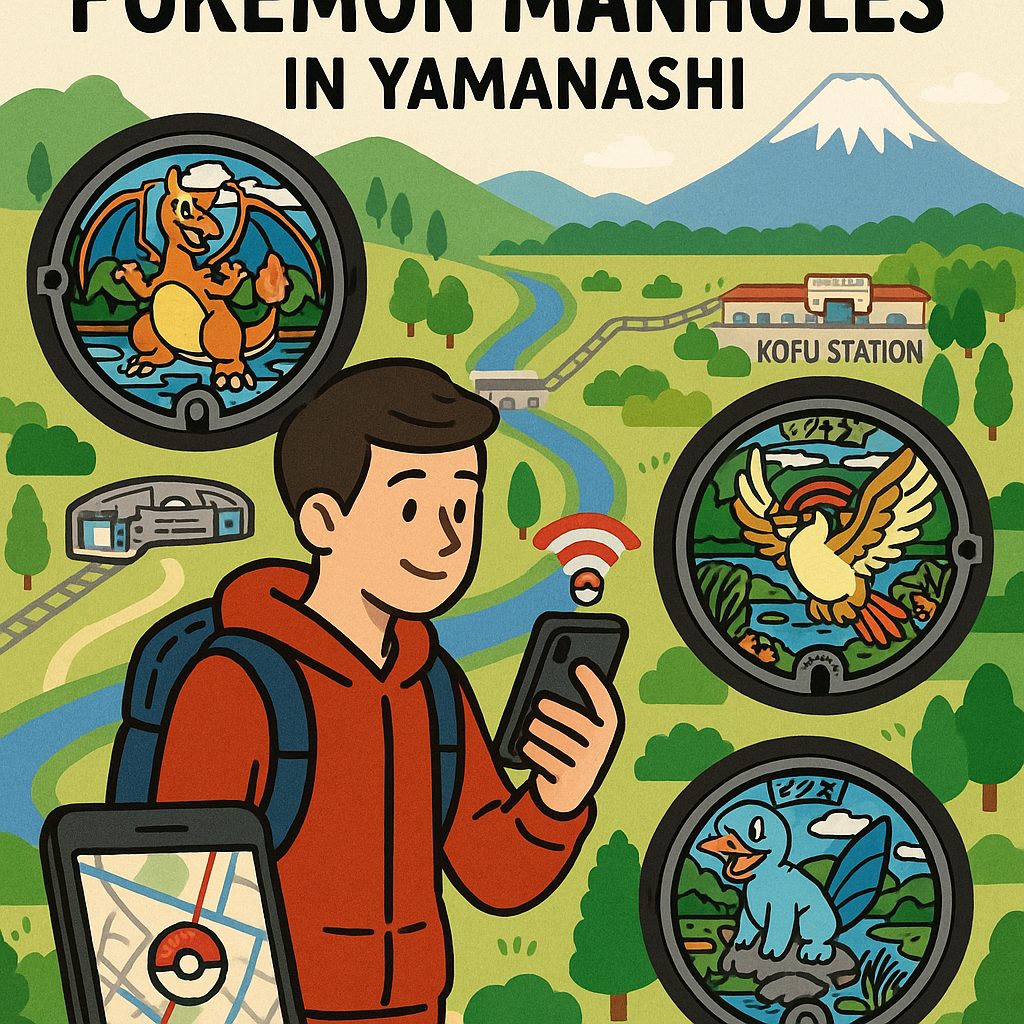
Complete List of Locations and Featured Pokémon
Yamanashi has many Pokémon-themed manhole covers, called “Pokéfuta.” Each one shows a different Pokémon and is placed in a unique town or city. Let’s see the full list of where to find them!
Many travelers don’t know where to look. But with a simple list, it becomes a fun Pokémon adventure! You can take photos, visit new places, and maybe even find your favorite character.
Here is the complete list of known Pokémon manholes in Yamanashi:
- Kōfu Station – Charizard (Lizardon)
One of the most popular manholes is at the north exit of Kōfu Station. Charizard looks fierce with flames and Mt. Fuji in the background. - Fujikawa Town – Mudkip (Mizugorou)
Found in front of the Michi-no-Eki “Fujikawa,” this manhole shows Mudkip smiling near the river. It’s perfect for photos after hiking or rafting. - Fuefuki City – Cherrim (Cherimu)
Located near a local peach orchard, this Pokéfuta shows Cherrim enjoying the blooming trees. It’s lovely in spring! - Koshu City – Garchomp (Gaburiasu)
This one sits in a vineyard area. Garchomp looks powerful in front of a landscape full of grapes and hills. - Hokuto City – Togekiss
Togekiss appears in a peaceful park near the Southern Alps. It’s surrounded by soft clouds and flying gently. - Otsuki City – Jirachi
Placed near the train station, Jirachi is seen making a wish under the night sky. - Minobu Town – Lucario (Rukario)
In front of Kuonji Temple, Lucario stands calmly like a guardian. This location is also known for its spiritual energy.
Each of these covers is free to see. They are colorful, artistic, and unique to the area. Some even tell a story about the town!
So if you’re planning your next adventure, this list is the perfect checklist. Catch them all—not in a game, but in real life!
Downloadable Map and GPS Tips
Finding all the manholes is easier with a good map and GPS. Don’t worry—we’ve got tools to help you!
Some Pokémon manholes are in busy areas like train stations, while others are hidden in parks or near rivers. If you want to save time, using digital maps will help you walk or drive with no stress.
Here’s how to make your journey easier:
- ✅ Official Pokéfuta Map:
The Pokémon Local Acts website has an updated map. You can search for “Yamanashi Pokéfuta Map” and see all the current covers. - ✅ Google Maps Links:
Many fans have created public Google Maps with manhole pins. We recommend this one:
🗺️ Pokéfuta Yamanashi Google Map (Example Link) - ✅ Use Your Phone’s GPS:
Open the link, tap on the nearest manhole, and start walking. Don’t forget to bring a power bank! - ✅ Walking or Driving?
Some covers are within walking distance (like in Kōfu city). But others, like Fujikawa or Hokuto, might be easier to reach by car or train. Use JR Chūō Line or rental cars. - ✅ Apps That Help:
If you’re visiting from abroad, apps like Google Translate and NAVITIME for Japan can help you with signs, train times, and directions.
Whether you use a phone, a printed map, or just your eyes—these Pokéfuta won’t stay hidden for long with the right tools.
Which Ones Are Closest Together? Efficient Route Ideas
You might not have time to visit all the manholes. That’s okay! You can still enjoy many of them in one day by choosing the closest locations.
Some towns are near each other, especially in the Kōfu area. If you plan your route, you can take great photos and enjoy food or local culture nearby too.
Example Route 1: Kōfu City Route (Walking or Train)
- Start at Kōfu Station (Charizard).
- Take a short train ride to Fuefuki City (Cherrim).
- Visit Koshu City (Garchomp) by local bus or train.
🕒 Total Time: About 3–4 hours
🎯 Best For: Pokémon fans without a car
Example Route 2: Western Adventure Route (Car Recommended)
- Start in Hokuto City (Togekiss).
- Drive 40 mins to Fujikawa Town (Mudkip).
- End in Minobu (Lucario).
🕒 Total Time: Around 5–6 hours
🎯 Best For: Nature lovers or people with rental cars
Example Route 3: Quick Photo Hunt in Central Yamanashi
If you just want to check off 2 or 3, stay near Kōfu. Charizard and Cherrim are the easiest to access.
🚶♀️ Walking time: under 30 minutes
🛍️ Bonus: Lots of cafés, parks, and souvenir shops on the way
Even if you can’t visit all, picking a smart route makes your trip more fun and less stressful. Think like a Pokémon trainer: plan your path and catch those memories!
Exclusive Designs: Pokémon Only Found in Yamanashi
Why Yamanashi Chose These Pokémon
Each Pokémon manhole in Yamanashi isn’t random—it’s chosen carefully to match the area’s nature, culture, or famous local items.
Yamanashi is known for its fruit, mountains, clean rivers, and historical places. The Pokémon selected for each town often reflects these traits, making the manholes more special.
- Charizard in Kōfu:
Charizard (Lizardon) is a fire-type Pokémon, shown with Mt. Fuji behind it. Mt. Fuji is Japan’s tallest mountain, and it can be seen clearly from Kōfu. Charizard’s power and flames match the bold spirit of this city. - Mudkip in Fujikawa Town:
Mudkip (Mizugorou) is a water-type Pokémon that loves rivers. Fujikawa is famous for its clear river and water activities like rafting. It’s a perfect match! - Cherrim in Fuefuki City:
Fuefuki is known for peaches and cherry blossoms. Cherrim (Cherimu) is a flower Pokémon that blooms under the sun—just like the beautiful trees in spring. - Garchomp in Koshu:
Garchomp (Gaburiasu) looks like a dragon but lives in rough mountain areas. Koshu is filled with vineyards and steep hills. Garchomp represents the land’s wild beauty. - Lucario in Minobu:
Minobu is home to Kuonji Temple, a peaceful and spiritual spot. Lucario is a fighting and steel-type Pokémon known for honor and focus. It matches the sacred feel of the area. - Jirachi in Otsuki:
Jirachi is the Wish Pokémon. Otsuki is a stargazing town with beautiful night skies. The design shows Jirachi making a wish under the stars, just like many visitors do. - Togekiss in Hokuto:
Togekiss is known for peace and happiness. Hokuto is a quiet area near the Southern Alps with fresh air and open skies. It’s a calming place—just like this Pokémon.
These designs show deep connections between Pokémon and local pride. They’re more than cute covers—they tell stories about the places they belong to.
Fan Favorites: Most Instagrammed Manholes
Some manholes in Yamanashi are more popular than others. They appear often on Instagram because they are colorful, well-placed, or just too cute to ignore!
People love to post things that look good and feel special. Manholes that are easy to reach and have cool backgrounds are top choices for Instagram photos.
Top 3 Instagram-Worthy Manholes in Yamanashi
- Kōfu Station (Charizard)
With the big Charizard in front of the station and Mt. Fuji in the background, this one gets the most likes. It’s bright, powerful, and easy to find. - Fujikawa Town (Mudkip)
Mudkip is adorable, and the river scenery around it makes it a peaceful photo spot. Fans love the blue color tones and nature vibe. - Koshu City (Garchomp)
Garchomp looks strong and serious in the middle of grape hills. It’s a little more hidden, but people love the contrast between the vineyard and this fierce dragon.
💡 Photography Tips:
- Use daylight hours for brighter shots.
- Try a wide angle to include the surroundings.
- Bring a small Pokémon figure to pose next to the manhole!
If you’re hunting for likes and memories, start with these three manholes. They offer the perfect mix of local culture and Pokémon charm.
Compare with Other Regions’ Pokéfuta
Pokémon manholes are not only in Yamanashi. Many other prefectures in Japan have them too. But each region picks Pokémon that match its special traits.
By comparing different areas, we can understand why Yamanashi’s covers are unique—and why they’re worth visiting.
- Hokkaido:
You’ll see ice-type Pokémon like Alolan Vulpix and Glaceon. This matches Hokkaido’s cold, snowy landscape. - Okinawa:
Island Pokémon like Popplio or Sandygast appear in this tropical region. They match the beaches and sunny skies. - Nagasaki:
Known for its sea views and Western architecture, this area has covers showing Lapras and Alcremie.
In contrast, Yamanashi mixes fire, water, flower, and fighting Pokémon, representing Mt. Fuji, peach farms, rivers, and Buddhist temples.
🌍 Design Comparison Summary:
| Region | Theme | Example Pokémon | Nature Match |
|---|---|---|---|
| Hokkaido | Snow & Ice | Glaceon, Vulpix | Snowy areas |
| Okinawa | Beach & Sun | Sandygast, Popplio | Ocean, coral reefs |
| Nagasaki | Sea & Culture | Lapras, Alcremie | Harbors, old buildings |
| Yamanashi | Mountains & Fruit | Charizard, Cherrim | Mt. Fuji, peach farms |
Yamanashi’s Pokéfuta are special because they combine history, food, and nature. They aren’t just fun—they’re meaningful and tell a local story like no other.
Perfect for Families and Pokémon Fans Alike
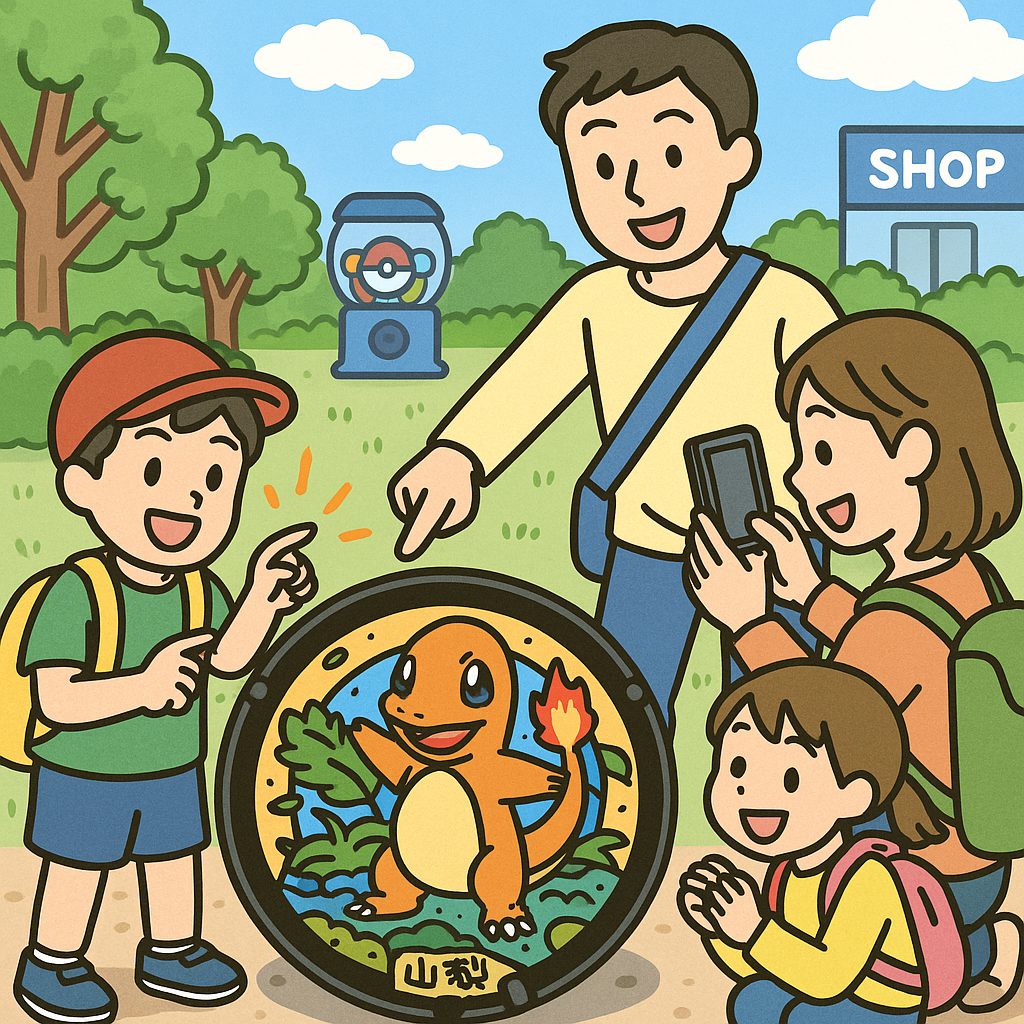
Kid-Friendly Routes and Rest Areas
Exploring Pokémon manholes in Yamanashi is a fun adventure for kids and families—especially when the routes are safe, stroller-friendly, and have rest stops.
When traveling with young kids, it’s important to know where you can take a break, find a restroom, or enjoy a quiet snack. The good news? Many Pokéfuta locations in Yamanashi are near parks, shopping centers, or stations with facilities that make your trip comfortable.
- Kōfu Station (Charizard):
This location is right outside the station, which has elevators, clean restrooms, and even a waiting area. Just nearby is a small plaza where kids can stretch and move around safely. - Fuefuki City (Cherrim):
Located near Fuefuki City Fruit Park, this spot has walking paths, playgrounds, and beautiful flowers. The park is stroller-friendly and has vending machines and shaded benches. - Minobu (Lucario):
Close to Kuonji Temple, this peaceful area is best for families with older kids who enjoy a slow walk and nature. There are public restrooms and a few small cafés nearby. - Fujikawa Town (Mudkip):
The riverside area where Mudkip is found is scenic and calm. It’s a nice place for a short picnic, and there’s a riverside park with benches and bathrooms. - Hokuto City (Togekiss):
This spot is near Yatsugatake Nature Park, offering walking trails, open fields, and resting shelters. Great for a half-day trip with lunch and playtime.
Bonus Tips:
- Bring sunscreen, hats, and refillable water bottles.
- Use a GPS app like Google Maps with Pokéfuta pins added.
- If you’re using a stroller, check elevation on the map—some areas may have steep paths.
Yamanashi’s Pokéfuta are not just for die-hard fans—they’re perfect for families who want a safe, educational, and enjoyable day outside.
Souvenir Shops and Gacha Machines
The fun doesn’t end at the manhole cover—many locations have souvenir shops or gacha machines (capsule toys) where you can grab a memory to take home!
Kids and collectors alike love getting items like badges, keychains, or magnets featuring the Pokémon they saw. These small treasures turn your visit into a lasting memory.
- Yamanashi Prefectural Tourist Center (Kōfu):
Inside the station building, this tourist shop sells Charizard manhole badges, postcards, and even themed snacks. English labels are available too. - Roadside Stations (Michi-no-Eki):
Places like Michi-no-Eki Fujikawa or Michi-no-Eki Kobuchisawa often have small souvenir corners with local goods—and sometimes Pokéfuta merch like towels or coin cases. - Pokémon Gacha Machines:
These colorful machines are placed in train stations or near gift shops. For around 300–500 yen, you can get a random capsule with a Pokémon pin, strap, or small figure—some limited to Yamanashi! - Special Campaigns:
During Pokémon events or local festivals, temporary pop-up shops may appear with exclusive goods—so keep an eye on official announcements.
💡 Shopping Tip:
Look for official logo stickers or tags that show the item is part of the Pokéfuta project. These are high-quality and often collectable.
A visit to Yamanashi’s Pokémon manholes becomes even more exciting when you bring home a piece of it—whether it’s a badge, a toy, or just a cool photo from a gacha surprise.
Real Visitor Voices: What Families Loved Most
Don’t just take our word for it—many families who explored Yamanashi’s Pokéfuta shared glowing reviews about how fun, easy, and memorable the experience was.
Hearing real stories helps new visitors feel confident that this is a great trip idea for parents and children alike.
🗣️ “We visited the Charizard manhole during our summer trip. My 6-year-old son was so excited to see it in real life! We also got a badge from the nearby store. It made his day!” — Megumi (Tokyo)
🗣️ “I loved how the Pokémon matched the area. We went to Fuefuki for the fruit picking and found Cherrim in the park! It was a sweet surprise after a picnic.” — Keita (Nagano)
🗣️ “I brought my two daughters on a Pokéfuta hunt. We used a printed map and made it a game—who could spot the next one first? We visited 5 in one day!” — Hannah (UK, living in Japan)
🗣️ “I didn’t expect to enjoy this much as an adult. But the designs were beautiful, and each stop was peaceful and safe. We even met another family doing the same!” — Daniel (Australia)
Why Parents Recommend It:
- Safe areas, even with kids running around.
- Clean public spaces with benches.
- Pokémon theme adds fun learning and motivation for walking.
📸 Most Common Phrases in Reviews:
- “Cute and colorful!”
- “Great for walking with kids.”
- “Easy to find and photograph.”
- “Perfect for a weekend outing.”
Families of all ages are falling in love with Yamanashi’s Pokéfuta—because they mix play, nature, culture, and safety in the most charming way.
Beyond Manholes: Local Spots Near Each Pokéfuta
Cafés, Museums, and Nature Walks
Pokémon manholes are fun, but there’s even more to explore nearby—like cute cafés, peaceful walks, and unique museums.
After finding a Pokéfuta, it’s nice to take a break, grab a snack, or learn something new. Many manhole spots in Yamanashi are placed near relaxing or exciting places.
- Charizard at Kōfu Station
- Just a 5-minute walk from the station is Yamanashi Prefectural Museum of Art, where you can see famous European and Japanese paintings.
- Nearby cafés like Café & Dining Saru offer coffee and cake with comfy seats—perfect for a rest after your photo session.
- Mudkip in Fujikawa Town
- This area has a peaceful riverside path with benches and open space. Families often walk along the water and enjoy the fresh air.
- Try Cafe Campanio, known for local ingredients and cozy decor.
- Cherrim in Fuefuki City
- Located in Fuefuki Fruit Park, this spot gives you fresh mountain views. You can walk around the orchards and even see Mt. Fuji on clear days.
- During fruit season, stop by local shops for fresh peaches or grape snacks.
- Lucario in Minobu
- Close to the famous Kuonji Temple, this area is great for slow walks and history fans.
- Enjoy matcha and sweets at a traditional tea house nearby while soaking in peaceful temple vibes.
- Togekiss in Hokuto City
- This manhole is near Yatsugatake Nature Park, where you can take nature trails and visit small art galleries.
- Stop by Kiyosato Moeginomura, a village-style area with bakeries, craft stores, and even fairy-tale-style buildings.
Every Pokéfuta has something special nearby—perfect for turning a quick visit into a full local adventure.
Cultural and Seasonal Events Nearby
Want to catch more than just a manhole? Plan your visit during festivals or special events to enjoy Yamanashi’s culture and nature.
From flower seasons to traditional celebrations, there’s always something happening that adds color and joy to your Pokéfuta trip.
- Takeda Shrine Festival (near Kōfu)
- Held in April, this event honors the famous warrior Takeda Shingen. Enjoy parades, food stalls, and samurai shows—all within walking distance of the Charizard Pokéfuta.
- Peach Blossom Season (Fuefuki)
- In March to April, the whole region turns pink with blooming peach trees. The Cherrim Pokéfuta looks even more charming surrounded by flowers.
- Local parks offer picnic spots, and some areas host small music or food events.
- Summer Fireworks (Various Cities)
- Towns like Fujikawa and Hokuto host summer festivals with fireworks, dancing, and traditional clothes. Find the Mudkip or Togekiss Pokéfuta during this time, then stay for the night events.
- Fall Colors at Kuonji Temple (Minobu)
- The area around Lucario’s Pokéfuta becomes a rainbow of red and gold leaves in November. Many visitors walk the paths and light incense at the temple before grabbing a souvenir.
- Yamanashi Wine Festival (Katsunuma)
- Although not directly at a Pokéfuta spot, this event is nearby and perfect for adults. Enjoy wine tasting, grape-themed goods, and stunning vineyard views.
By checking the local event calendar, you can enjoy more than a manhole—celebrate, taste, and see what makes each town unique.
One-Day and Weekend Travel Plans
Want to do more than just one stop? Build a trip that includes manholes, food, and hot springs. It’s easy—and fun!
Yamanashi is small enough for a short trip, but full of places to enjoy. With a little planning, you can visit several Pokéfuta and also relax and eat well.
Sample One-Day Plan:
🚅 Morning:
- Arrive at Kōfu Station and visit the Charizard manhole
- Have brunch at a local café
- Visit the Yamanashi Art Museum
🚗 Afternoon:
- Take a 30-minute car or train to Fuefuki City
- Enjoy Fruit Park and find the Cherrim Pokéfuta
- Grab local sweets or peaches
🛀 Evening:
- End the day at a nearby onsen (hot spring) like Isawa Onsen
- Stay overnight in a ryokan and enjoy a full-course Japanese dinner
Weekend Plan (2 Days):
🗓️ Day 1:
- Pokéfuta in Kōfu and Fuefuki
- Visit local art museums and eat at gourmet cafés
- Overnight at Isawa Onsen
🗓️ Day 2:
- Drive to Minobu or Hokuto City
- Find the Lucario or Togekiss manholes
- Enjoy temples, parks, or nature walks
- Return home with souvenirs and great memories
💡 Helpful Tips:
- Renting a car is best for multiple manholes in one day
- Local train lines also work well if you focus on 1-2 areas
- Bring your camera and portable battery—there will be lots to snap!
Whether you’ve got one day or a weekend, you can build a trip that’s full of discovery, flavor, and fun—all while catching adorable manhole Pokémon!
Helpful Tips Before You Go: Weather, Access, and More
Best Seasons and Times to Visit
Yamanashi is beautiful all year, but some times are better than others for visiting Pokéfuta.
The weather, events, and daylight hours can affect your trip. Choosing the right season makes your visit easier and more fun.
- Spring (March–May):
This is one of the best seasons. The weather is cool, and flowers are blooming everywhere. Peach blossoms in Fuefuki and cherry trees near Mt. Fuji are a great match with Pokéfuta hunting. - Summer (June–August):
Be careful! It can get very hot and humid. Drink water often and avoid long walks during mid-day. Early morning or late evening is cooler. Some events like festivals happen in summer, so check local calendars. - Autumn (September–November):
Another great season. The temperature is just right, and the fall leaves in places like Minobu or Hokuto are stunning. Many people love taking photos of manholes with colorful leaves. - Winter (December–February):
Some areas, especially near mountains, can be snowy or icy. Roads might be slippery. But if you dress warm and plan well, winter manhole photos with snow can be magical! Just check road conditions before you go.
Each season has its charm, but spring and fall offer the easiest weather and the most colorful photos.
What to Bring (Shoes, Camera, Travel Apps)
To enjoy your Pokéfuta trip, you should pack smart.
You may be walking a lot, taking photos, or exploring small towns with few signs in English. Good tools make your journey easier and more fun.
- Shoes:
Wear comfortable walking shoes or sneakers. Some Pokéfuta are near hills or in parks with dirt paths. Sandals or heels are not a good idea. - Camera or Smartphone:
Bring a fully charged camera or phone. Most travelers love taking close-up pictures of the manholes. Try different angles or include your feet in the photo—it’s popular on social media! - Power Bank:
If you’re using your phone for photos, GPS, and translation, the battery might run out. Bring a portable charger just in case. - Travel Apps:
- Use Google Maps or NAVITIME Japan Travel to find the exact manhole location.
- Download a Japanese-English translation app like Google Translate to read signs or menus.
- A weather app helps you avoid sudden rain or heatwaves.
- Other Essentials:
- Hat and sunscreen for summer
- Reusable water bottle
- Notebook or stamp book if you like to write down your visits
- Small towel (especially in summer or if you’re visiting parks)
With comfy shoes, a good camera, and a few apps, your Pokéfuta journey becomes smooth and memorable.
Safety and Etiquette for Pokéfuta Travelers
It’s important to enjoy the manholes safely and respectfully.
Many Pokéfuta are placed on or near roads, in quiet towns, or by schools and parks. Following a few simple rules keeps everyone happy and safe.
- Watch for Cars and Bikes:
Some Pokéfuta are near streets or parking areas. Always look both ways before stepping into the road. Don’t stand in traffic lanes to get the perfect shot. - Keep Paths Clear:
Don’t block sidewalks, stairs, or doorways when taking photos. Wait your turn if others are also taking pictures. - Be Quiet in Residential Areas:
If the manhole is in a small town or near homes, speak softly. Early morning or late night visits may disturb locals—daytime is best. - Respect Property:
Don’t step into gardens, private driveways, or restricted zones to get closer to a manhole. Use zoom if needed. - Photo Etiquette:
- Avoid lying on the ground to take pictures—it may surprise drivers or walkers.
- Clean your shoes before stepping near the manhole if the ground is muddy.
- Don’t sit or place food/drinks on the manhole.
- Trash and Toilets:
Carry your trash until you find a bin. Many Pokéfuta are near public parks with restrooms—plan ahead if traveling with kids. - Be Nice to Locals:
Smile, wave, or say “Konnichiwa” (hello) or “Arigatou” (thank you). It makes a big difference.
Being careful and kind helps protect the Pokéfuta project and keeps it fun for future travelers too.


