You’ve seen the videos. Slow, graceful movements. People wearing traditional clothes and large straw hats. The music is sad but beautiful. You’re excited to visit the Owara Kaze no Bon festival, but there’s one problem: You don’t know how the dance works. Can you join in? Are there rules? Will you look silly?
For many travelers, simply watching the dance feels magical. But learning how to dance – even just a little – makes the festival more meaningful. You stop being a tourist. You become part of something living. But where can you learn? And how can you understand the moves and their meaning?
I remember my first Owara in Yatsuo. I was standing at the edge of the dance circle, camera in hand. A kind old lady smiled, stepped toward me, and gently showed me a hand movement. “Like the wind passing,” she said. I copied her. That moment made my entire trip.
Once you understand the dance’s rhythm and purpose, you won’t just watch—you’ll feel the heartbeat of the town. You’ll understand the sadness in the music, the respect in each step, and the quiet unity of the people.
As someone who has studied Japanese festivals and lived in Toyama for several years, I’ll break down everything: the types of dances, how to join, and even where to practice.
So take a breath, open your heart, and let’s learn together. This is your step-by-step guide to the soul of Owara.
What is Owara Kaze no Bon?
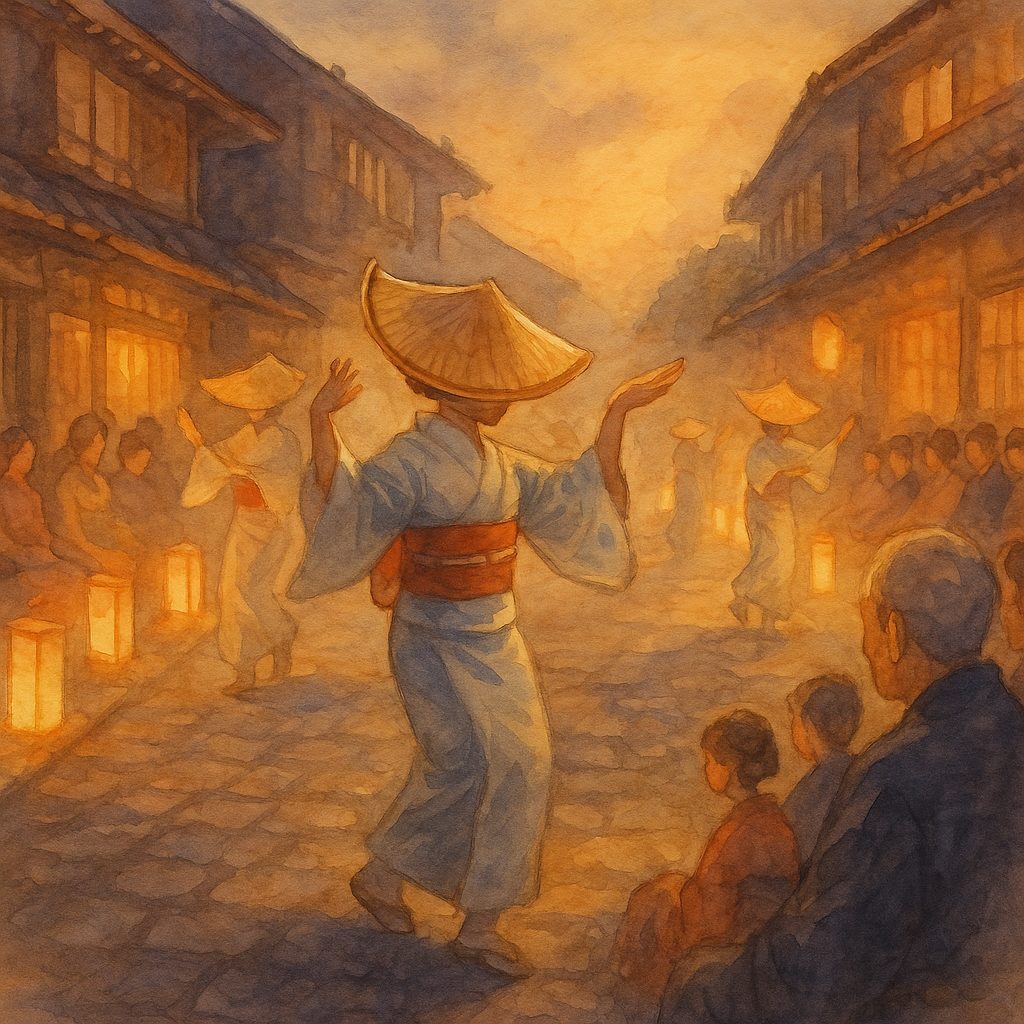
Owara Kaze no Bon is not just a dance festival. It’s a sacred tradition that blends music, movement, and mourning. Knowing its story helps you respect and enjoy it more deeply.
Many tourists see the slow dance and quiet mood and think it’s just for show. But this festival is filled with feeling. It comes from centuries of prayers, sadness, and hope in the town of Yatsuo.
The Origin Story
Owara Kaze no Bon began over 300 years ago in the town of Yatsuo, now part of Toyama City. The people were suffering from illness and poor harvests. They prayed for wind (“kaze”) to blow away disease and bring good weather.
“Bon” is part of Obon, the Japanese season when people remember the spirits of their ancestors. Owara became a time to dance, pray, and honor those who had passed. It’s a festival of both celebration and memory.
The Music
The dance moves slowly. The music uses the kokyu, a rare string instrument, along with shamisen and taiko drums. The songs are in local dialect. They sound like lullabies. But if you listen closely, they often speak of lost love, longing, and the passing of time. It makes your heart ache, softly.
One visitor once said, “I didn’t understand the words, but I cried.”
The Hats and Costumes
The dancers wear straw hats that cover their faces. This is not to hide—it’s to show respect. The festival is not about showing off. It’s about dancing for others, not yourself. Men wear happi coats, women wear colorful yukata with long sleeves that float with the wind.
When you see them move, it looks like they are dancing with the wind. That’s the point.
The Town Setting
Yatsuo is a small town with old wooden houses and stone streets. During the festival, lanterns light up the streets. Locals line the roads. The dancers move slowly through the town, often in silence except for the music.
There are no big fireworks. No shouting. Just quiet, graceful movement. This makes it very different from other festivals in Japan.
Owara Kaze no Bon is not just something to watch. It is something to feel. When you understand its origin and its mood, you understand why it moves so slowly. Why it matters. And why learning its dance is more than learning steps—it’s learning emotion, memory, and connection.
Next, let’s learn about the different dances and how they work.
How to Dance Owara: Basic Steps for Beginners
You can learn the basic steps of the Owara dance, even if you’ve never danced before. It’s not about perfect moves—it’s about feeling the rhythm, showing respect, and joining the flow.
Many visitors think the dance is too difficult or sacred to try. But locals often welcome those who want to learn. The steps are simple, slow, and repetitive. Anyone can join in with an open heart and a little practice.
1. The Two Types of Owara Dance
There are two main forms:
- Men’s Dance (Otoko-odori): Strong and grounded. Focused on slow, controlled hand and foot movements. Hands are kept lower.
- Women’s Dance (Onna-odori): Gentle and flowing. Features elegant arm waves, lifted hands, and graceful turns. Think of wind blowing through long sleeves.
You don’t need to choose based on your gender. Many locals just follow the style they like best.
2. Basic Step Breakdown
Here’s a simplified version:
- Step forward slowly with right foot
- Slide left foot to meet it
- Raise hands gently in a curve, as if catching wind
- Step back with left foot
- Slide right foot to meet it
- Lower hands, crossing slightly at the wrist
Repeat this flow, keeping your shoulders relaxed and your eyes forward. Try to match the pace of the music.
3. Hand Gestures
- Wind gesture: Hands wave gently from side to side, palms facing out. Move as if pushing soft air.
- Greeting gesture: Palms together, then slowly open out.
These are symbolic. You’re greeting spirits, calming winds, and connecting with others.
4. Practice Spots in Yatsuo
Some community centers and shops offer free mini-lessons before the festival. Locals may also offer informal guidance during the event.
Ask at:
- Yatsuo Tourist Center
- Owara no Sato Museum
- Friendly shops with lantern signs
5. What to Wear if You Want to Join
- You don’t need full costume to practice—just light, comfortable clothes.
- During the festival, some rental yukata shops offer dressing services.
- Avoid flashy fashion; simple and respectful is best.
The Owara dance isn’t about skill. It’s about soul. If you move with care, keep the rhythm, and respect the moment, you’ll be welcomed with smiles.
One visitor I met—an elderly man from France—learned just one move. He danced it all night with joy. Locals clapped for him, even though he got it “wrong.” Why? Because he danced with heart.
Next, let’s talk about etiquette: what to do—and not do—when joining the dance or watching it up close.
Etiquette and Do’s & Don’ts: How to Respect the Dance and Community

Respecting the Owara Kaze no Bon dance and its community is just as important as learning the steps. Understanding what to do—and what not to do—can deepen your connection and ensure you are welcomed.
This festival is sacred and intimate. It’s not like a loud summer matsuri. People in Yatsuo take pride in the quiet, graceful mood. If visitors act carelessly, it can disturb the experience for everyone.
Do: Observe Before Joining
Take a few minutes to watch others before jumping in. See the flow, spacing, and how people move. Ask politely if it’s okay to join. Locals often appreciate when you take a moment to observe and respect the rhythm.
Do: Use Quiet Voices
Even while talking to friends, keep your voice low. The music is soft and the town is peaceful. Loud laughter or phone calls feel out of place and can be seen as rude.
Do: Dress Respectfully
You don’t need full costume, but avoid flashy outfits, short skirts, or tank tops. Yukata or modest clothing is best. It shows you care about the mood.
Do: Thank the Locals
If someone shows you a step or helps you, thank them! A small bow or smile goes a long way. Many visitors are surprised by how warm locals become when they see your appreciation.
Don’t: Treat It Like a Performance
This is not a dance show or tourist attraction. Don’t clap loudly after dances. Don’t stand in the way of the procession just for photos. Don’t make jokes about the slowness. This dance is serious and emotional.
Don’t: Force Yourself Into the Circle
If there’s no clear opening in the dance circle, wait. Don’t push your way in. Some parts of the dance are for trained locals. Follow the lead of others and join only when it feels appropriate.
Don’t: Touch the Dancers
Even if you want to compliment someone or take a selfie, don’t touch dancers during the performance. Let them stay in their flow. After they finish and rest, a smile and kind word is best.
Don’t: Drink Alcohol in the Circle
Many people enjoy local sake after the dance, but drinking during or near the dancers is discouraged. Keep alcohol out of the main street. The mood should stay clean and calm.
When you act with care, the community notices. Locals may nod to you, invite you in, or offer a kind word. That’s the reward of showing respect. It’s not about rules—it’s about heart.
A Japanese proverb says, “Look with your eyes, speak with your heart.” If you carry that into Owara, you’ll not only enjoy it—you’ll be part of it.
Next, let’s explore how to make the most of your time in Yatsuo before and after the festival.
Best Places and Times to Experience Owara Kaze no Bon
To truly enjoy Owara Kaze no Bon, it’s important to know when and where the magic happens. Choosing the right time and place helps you feel the spirit of the dance more deeply.
The festival is held in Yatsuo, a quiet town in Toyama. While the main event is from September 1st to 3rd, special practice dances and local performances happen throughout the year. If you visit without knowing where to go or when to come, you might miss the heart of the experience.
Yatsuo Old Town (Main Area)
This is where most of the magic happens. During the festival, dancers walk slowly through the narrow streets lined with lanterns. The entire town becomes a stage. Get there early to find a good spot, especially near Suwamachi Street, which is known for its beautiful scenery and strong performances.
Yatsuo Owara Hall
If you can’t make the September festival, don’t worry! The Owara Hall offers performances all year round. It’s a great place to learn about the dance, hear the music, and even try some movements with guidance. Many first-timers go here to prepare before seeing the live event.
Practice Nights (Rehearsals)
In late August, many local dance teams (ren) hold open practices. These are often less crowded and more relaxed. Watching or even joining a rehearsal gives you an up-close look at the dedication behind each step. Locals might invite you to try a move or explain the meaning behind the gestures.
Night vs. Day Performances
At night, the lanterns glow, the music echoes softly, and the mood becomes dreamy. It feels like time slows down. But during the day, you can see costumes and expressions more clearly. Try both if you can. Many say the night dance is unforgettable, but daytime gives a deeper understanding.
Avoid the Rush
The first and last days (Sept 1 and 3) are usually the most crowded. If you prefer a calmer experience, aim for Sept 2 or visit earlier in the evening before the big crowds arrive. Staying overnight in Yatsuo or nearby Toyama City is a smart move.
Respecting Local Homes
Remember, the dance path runs right in front of people’s houses. Keep your voice low, don’t step into private areas, and follow volunteers’ directions. Locals are proud to share their traditions, but they also live there.
When you pick the right time and place, Owara becomes more than a festival—it becomes a memory that stays with you. From the glowing lanterns to the echoing shamisen, every moment feels like a gentle dream.
Next, let’s answer some common questions travelers have about learning and joining the dance.
Frequently Asked Questions: Learning and Joining the Dance

Many first-time visitors have simple, honest questions about the Owara Kaze no Bon festival. Asking is okay! Here are answers to help you feel more confident.
The dance and its customs can seem mysterious. If no one explains them, you might feel nervous or even stay away. That’s a loss. These answers can help make the festival feel open and welcoming.
Q1: Can anyone dance?
Yes! While the central performers are trained locals, there are times and places where visitors can try the dance. Usually during practice nights or after the formal procession. Look for open-circle areas or follow signs that say “Try Dance” or “Join Here.”
Q2: Do I need to wear a yukata or costume?
No. While wearing a yukata adds to the atmosphere, it’s not required. Comfortable clothes and good shoes are just fine. If you do wear traditional clothing, locals appreciate the effort.
Q3: What if I mess up the steps?
That’s okay! The most important thing is your attitude. Smile, be respectful, and try your best. Many locals will encourage you and even help you. Perfection is not expected.
Q4: Is it okay to take photos?
Yes, but with care. Don’t use flash at night. Don’t get too close to dancers or step into the dance path. Always ask permission if taking photos of individuals.
Q5: Are there English signs or guides?
Yes, especially during the main festival dates. Look for volunteer staff wearing sashes or badges. Many young people in town speak basic English and are happy to help.
Q6: Where can I learn the steps in advance?
YouTube has a few helpful tutorials. Search “Owara Kaze no Bon dance tutorial.” Also, the Owara Hall in Yatsuo has occasional workshops. Some hotels offer info leaflets as well.
Q7: Can kids join?
Absolutely. Many local kids participate. Visitors with children are often welcomed warmly, especially during daytime performances.
No question is silly when it comes to learning something new. By asking and understanding, you not only enjoy more—you show respect for the culture.
In the final section, let’s bring everything together in a short, heartfelt summary.
Summary: Taking the Spirit of Owara With You
Owara Kaze no Bon is more than a festival—it’s a living expression of history, emotion, and harmony.
By understanding its steps, its etiquette, and its heart, you move from being a passive observer to an active participant. You begin to feel the layers of meaning behind each bow, each gesture, and each musical note.
Whether it’s a soft sway beside a stranger in the streets of Yatsuo, or a quiet moment watching lanterns drift along the road, Owara teaches presence. It slows you down and draws you into its poetic rhythm.
If you take one thing from this guide, let it be this: The dance isn’t about perfection. It’s about connection. Let yourself be moved—literally and emotionally. Even one step brings you closer to the spirit of the town.
Wherever you come from, whatever language you speak, there’s a place for you in the gentle circle of Owara. So bow, breathe, and begin.
Step beyond the guidebook. Explore Japan’s best tours and activities with Rakuten Travel Experiences.