Have you ever wandered through a famous temple and felt like you missed something hidden, something sacred beyond the crowds? You’re not alone. Many visitors come to Ryoanji Temple in Kyoto just to see the famous Zen rock garden—but leave without discovering one of its most mysterious features: the hidden shrine to Benzaiten.
I used to be one of them. On my first visit, I snapped photos of the stones and left, thinking I’d seen it all. Only later did I learn about the small water shrine tucked away behind the trees. Since then, I’ve returned twice—each time discovering something new and deeply spiritual.
In this blog post, I’ll take you through the true depth of Ryoanji—not just as a Zen site, but as a sacred place where Benzaiten, the goddess of music, wealth, and water, quietly resides. You’ll learn where to find her, how to worship respectfully, and why this hidden spot could become the most memorable part of your Kyoto trip.
After reading, you won’t just walk through Ryoanji—you’ll walk with purpose. You’ll know what to look for, what prayers to say, and how to connect with the quiet energy that flows through this temple. You’ll go from being a casual tourist to someone who experiences Kyoto’s spirit on a deeper level.
This guide includes easy-to-understand history, worship tips, and local advice gathered from monks and repeat visitors. Whether you’re into spiritual discovery, cultural history, or just want that one magical photo—this post is your key.
So take a deep breath. Leave the crowds at the rock garden behind for a moment. And let’s go find the goddess of water and sound, quietly waiting for you at Ryoanji.
What Is Ryoanji Temple and Why It Matters
A Peaceful Place in Kyoto
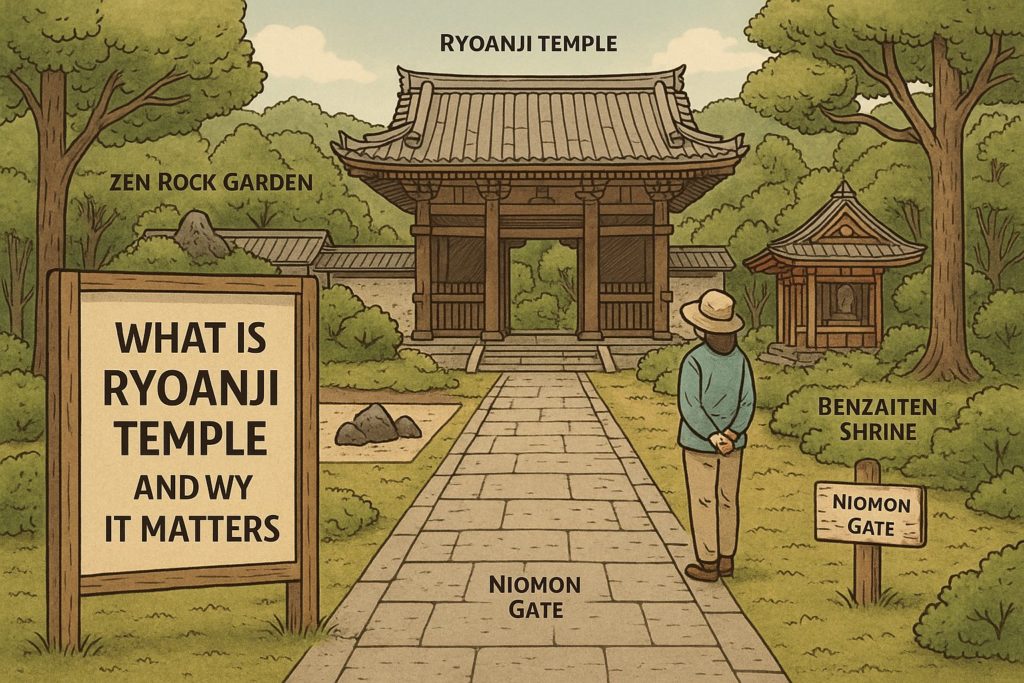
Ryoanji Temple is a quiet and beautiful temple in Kyoto, Japan. It is most famous for its rock garden. Many people come here to relax and think. The name “Ryoanji” means “The Temple of the Dragon at Peace.” This temple is special because it is peaceful and helps people feel calm.
Ryoanji was built more than 500 years ago. A man named Hosokawa Katsumoto made it during a time when Japan had many wars. He wanted a place where people could find peace. Now, people from all over the world visit Ryoanji to feel calm and learn about Zen Buddhism.
The World-Famous Rock Garden
The rock garden is what most people think about when they hear “Ryoanji.” It’s a flat space with 15 big rocks placed on white gravel. There are no trees or flowers in the garden—just rocks and small plants. The design is simple, but it makes people think deeply.
Some people say the rocks look like islands in the sea. Others think the garden is a puzzle, and it’s fun to try to find the meaning. The truth is, no one knows exactly what the garden means. That’s part of the magic. Everyone sees something different.
If you sit quietly and look at the rocks, you might feel peaceful or curious. That’s what the garden is for—to make you stop, breathe, and feel.
More Than Just Rocks – A Whole Temple Complex
While the rock garden is famous, Ryoanji is much more than that. There is a large pond called Kyoyochi that has been around since the 12th century. You can walk around the pond and see ducks, turtles, and reflections of trees. It’s especially pretty in spring when the cherry blossoms bloom.
There are also small paths that take you through the forest. These walks are quiet and peaceful. You might find moss, bamboo, and small shrines along the way. One of these shrines is very special—it’s the hidden shrine to Benzaiten.
The Hidden Shrine to Benzaiten
Benzaiten is a goddess from both Hindu and Japanese beliefs. She is the goddess of water, music, learning, and good fortune. At Ryoanji, there is a small shrine dedicated to her, hidden behind some trees near the pond.
This shrine is easy to miss if you don’t know it’s there. It’s small and quiet, with a simple wooden structure and a flowing stream nearby. But for people who find it, it becomes one of the most powerful places in the temple.
People come here to pray for creativity, success, or peace. Musicians, students, and artists especially like to visit Benzaiten. They leave small offerings like coins, folded paper cranes, or water bottles. The water is said to be sacred and is sometimes used for purification rituals.
Why It Matters Today
Ryoanji is not just a place from history. It is still used today by monks and visitors. It helps remind people to slow down. In our busy lives, we often forget to sit still and think. Ryoanji teaches us that quiet can be powerful.
For many visitors, the experience of Ryoanji is not about taking photos. It’s about feeling something inside—peace, wonder, or curiosity. Even if you don’t understand Buddhism, you can still enjoy the feeling.
The temple is also a UNESCO World Heritage Site. This means it is protected and honored for its importance to the world. Kyoto has many temples, but Ryoanji stands out because of its peaceful spirit and hidden secrets.
Who Is Benzaiten? Meaning, Myths, and Modern Faith
The Origin and Powers of Benzaiten
Benzaiten is one of the most fascinating goddesses in Japanese belief. She originally comes from the Hindu goddess Saraswati, who represents knowledge, music, and the arts. When Buddhism spread from India to China and then Japan, Saraswati transformed into Benzaiten. But her core powers stayed the same—she’s still all about creativity, learning, and flow.
In Japanese mythology, Benzaiten is the only female among the Seven Lucky Gods (Shichifukujin). She is often shown playing a biwa, a traditional lute-like instrument. This shows her deep connection to music and sound. But she’s not only about art. Over time, she also became linked to water. You’ll often find her statues near lakes, rivers, or even islands. She’s seen as a protector of things that flow: water, music, ideas, and even money.
Many shrines to Benzaiten are on or near water. One famous place is Enoshima, a small island near Tokyo. People visit to pray for safe travel, creative success, and wealth. Her image is graceful but powerful, often shown with a gentle smile and flowing clothes.
So, Benzaiten is more than just a goddess of art. She’s a powerful force that helps people grow and move forward—like a river that never stops.
Why People Pray to Benzaiten Today
In today’s Japan, Benzaiten still has many followers. Artists and musicians often pray to her for inspiration. Students pray for wisdom before big exams. Businesspeople ask her for financial success. Even people starting something new—like a shop, a song, or a relationship—might offer a prayer.
What makes Benzaiten special is that she helps people with both everyday life and big dreams. For example, someone writing a novel might go to her shrine to get past writer’s block. A traveler might pray to her for safe and smooth journeys. Her support is broad and flexible.
Shrines to Benzaiten are also popular because of their beauty. Many are surrounded by nature, water, and peaceful views. Visitors feel calm just by being there. That’s part of her power too—she helps people find peace in a busy world.
And some believe she grants good fortune quickly. That’s why you’ll often see people toss coins into the offering box and make a fast but hopeful prayer. Whether it’s for love, money, or a creative spark, Benzaiten is someone people turn to when they need a bit of magic in their lives.
The Link Between Water, Art, and Abundance
Water, art, and abundance may seem different, but Benzaiten connects them beautifully. Think about how water flows—it moves smoothly, it adapts, and it nourishes everything it touches. In the same way, ideas flow in art. A painter starts with a blank canvas, and colors begin to move. A musician hears a melody in their mind, and it flows out into sound.
Benzaiten teaches us that being creative is like being a river. You don’t need to force it. You just let it move. And when you do, good things follow. That’s where abundance comes in. It’s not just about money. It’s about joy, peace, and having enough of what you need.
Her connection to water also makes her a symbol of renewal. Just like a river washes away old leaves and brings fresh life, Benzaiten helps clear out stress and bring new energy. That’s why visiting her shrine can feel like hitting the reset button.
Even in modern times, people place water offerings at her shrines—like pouring a bit of sake or placing flowers in a stream. These acts are small but meaningful. They show respect for the natural flow of life.
In short, Benzaiten brings together music, water, and fortune into one graceful dance. She reminds us that when we move with the flow—creatively, kindly, and calmly—life becomes a little more beautiful.
Finding Benzaiten at Ryoanji: A Hidden Spot Worth the Walk
How to Locate Benzaiten Within the Grounds
Benzaiten’s shrine at Ryoanji is not in the main area, but it’s absolutely worth finding.
Most visitors to Ryoanji Temple go straight to the famous rock garden. It’s beautiful, quiet, and very famous. But hidden away on the temple’s grounds is something many people miss: a small, peaceful shrine to Benzaiten. It’s not on every tourist map, but it’s there—waiting for those who take the time to look.
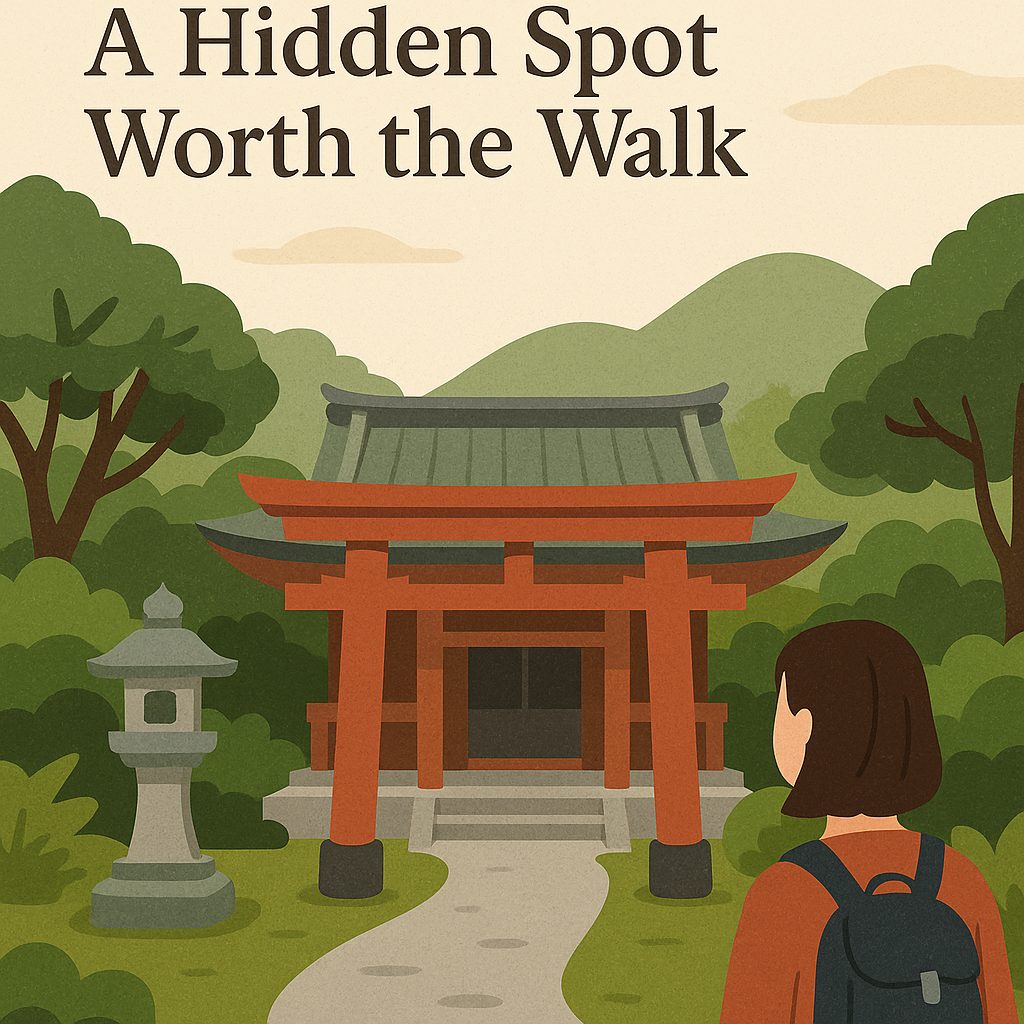
When you enter Ryoanji, follow the main path to the rock garden. After enjoying the view, take a short walk toward the back garden and pond. There, near the edge of the water and surrounded by trees, you might see a little stone path. Follow it. You’ll find a tiny red shrine hidden in the greenery. That’s where Benzaiten waits. There may be a wooden sign in Japanese, but even if you don’t read it, the special feeling in the air will tell you you’ve arrived.
So, while everyone else is looking at rocks, you can discover something magical and peaceful just a few steps away.
What to Expect: Atmosphere, Statues, and Offerings
The area around Benzaiten’s shrine is quiet, mystical, and full of details that feel special.
Unlike the open areas of Ryoanji, Benzaiten’s shrine feels tucked away. It’s shaded by trees and often very still. The light comes through the leaves, birds chirp softly, and there’s a soft wind by the pond. It feels like you’ve found a secret.
You’ll see a small statue of Benzaiten, often wearing flowing robes and holding a biwa instrument. Sometimes, you’ll find coins placed at her feet or flowers gently laid nearby. People leave small gifts—maybe a rice cracker, a coin, or a folded paper crane. These are signs of prayers and wishes. There may also be a little basin with water where visitors pour a scoop over the statue as an offering. This act is calming and respectful—it shows love for both Benzaiten and nature.
The shrine is simple, but it’s full of heart. Being there helps you feel quiet inside, like you’ve stepped into a different world.
When to Visit for Peace and Privacy
If you want to enjoy the shrine of Benzaiten in peace, go early in the morning or on a weekday.
Ryoanji is a famous place, and many people come to see the rock garden. During weekends and holidays, it can get busy. But Benzaiten’s shrine is not on the main path, so it’s almost always less crowded. Still, visiting when fewer people are around makes the experience even better.
Try arriving right when the temple opens. The morning light makes the pond shine, and the trees around Benzaiten’s shrine glow with soft colors. Fewer people are walking around, and you can take your time to sit quietly, listen to nature, and make your wish. If you visit during autumn, the leaves around the shrine turn red and gold—it’s like stepping into a storybook. Spring also brings flowers and soft breezes.
Choosing the right time means you get the full magic of Benzaiten’s hidden spot—all for yourself.
How to Worship Respectfully: Do’s and Don’ts at Benzaiten Shrine
Basic Etiquette for First-Time Visitors
Visiting a shrine can feel exciting and a little confusing. But don’t worry—showing respect is simple if you follow a few basic steps. First, bow once before entering the torii gate, the tall archway at the entrance. This shows that you’re entering a sacred place.
Next, stop by the purification fountain. Use the wooden ladle to rinse your hands—left hand first, then right—and gently rinse your mouth. Don’t touch the ladle directly to your lips. Rinse quietly and respectfully.
When you reach the main shrine, stand in front of the offering box. Toss a coin (usually 5 yen, which is lucky), bow twice, clap your hands twice, and bow once more. Then you can silently make a wish or say a prayer in your heart.
Keep your voice low and your actions calm. Shrines are peaceful places. Don’t run, shout, or take selfies too close to the sacred spots.
What to Bring (or Not Bring) for Your Visit
You don’t need much to visit a shrine—just a respectful attitude. But a few items can make your visit more meaningful. Bring a small coin (like 5 yen or 10 yen) for an offering. You can also carry a Goshuin book if you collect shrine stamps.
Some visitors bring a written wish or a paper crane as an offering. If you bring flowers, make sure they’re fresh and placed gently. Don’t bring food unless it’s clearly allowed.
Avoid loud items, like Bluetooth speakers or phones playing music. Turn your phone to silent mode. Also, don’t bring pets unless the shrine says it’s okay.
If you’re not sure about something, just watch what others do. Most people will be happy to help if you ask politely.
Common Mistakes to Avoid When Praying
It’s easy to make small mistakes when you’re not used to shrine customs. One common mistake is skipping the purification step. Even if there’s a line, it’s worth taking a moment to wash your hands.
Another mistake is being too loud or treating the shrine like a tourist spot. While it’s okay to take photos, be quiet and respectful. Don’t pose with statues or lean on sacred objects.
Some visitors forget the prayer order: coin, bow twice, clap twice, pray, then bow once. It’s okay to keep a note on your phone if you forget.
Lastly, don’t rush. Praying at a shrine is about slowing down, breathing deeply, and connecting with something bigger than yourself. Whether you believe in Benzaiten or are simply curious, take your time to feel the calm and beauty around you.
Bonus Tips: Goshuin, Festivals, and Nearby Spiritual Spots
Can You Get a Goshuin Stamp at Benzaiten?
Yes, you can often get a Goshuin (a special stamp or calligraphy seal) at Benzaiten-related shrines, including the one within Ryoanji—though it’s not always guaranteed. A Goshuin is a beautiful memento written in brush and ink, showing that you visited a sacred place. These stamps are usually given by the shrine staff or monks and often include the shrine name, date, and a few characters for blessings.
If you’re visiting the Benzaiten shrine at Ryoanji specifically, the main temple’s office may issue the Goshuin, even though the Benzaiten shrine is tucked away and less prominent. It’s best to ask kindly at the reception desk. Some temples only offer Goshuin during certain hours or days, especially when staff are available, so try visiting earlier in the day.
Make sure to bring your Goshuincho, a dedicated notebook used to collect these stamps. If you don’t have one, some temples sell them on-site. Don’t forget: Goshuin is not just a souvenir—it’s a symbol of respect. Don’t treat it like a stamp rally. Always bow before and after receiving it.
Are There Any Special Events or Festivals?
While Ryoanji isn’t known for flashy festivals like some Kyoto temples, it does observe quieter seasonal events, especially during cherry blossom season (spring) and autumn foliage time. During these times, the temple grounds become vibrant with color and are a favorite for peaceful strolls and photo opportunities.
As for Benzaiten-specific celebrations, some shrines dedicated solely to her—like Enoshima Benzaiten or Daikokuten-Benzaiten paired temples—host Benzaiten Matsuri on days like March 3rd or the first snake day of the year (since snakes are one of her symbols). While Ryoanji may not host such a festival directly, it’s worth asking the staff if they recognize these dates quietly or offer related blessings.
If you’re interested in festivals that feature music, water offerings, or art, temples dedicated to Benzaiten across Japan may have public events showcasing traditional performances or exhibitions. These reflect her powers over creativity and water. Even if Ryoanji doesn’t hold such events regularly, visiting during known Benzaiten celebration days adds an extra layer of meaning to your trip.
Other Temples Nearby with Benzaiten Connections
Kyoto is rich with temples, and several nearby locations have strong connections to Benzaiten. After your visit to Ryoanji, here are a few more stops to deepen your spiritual journey:
- Daikakuji Temple: Located not far from Arashiyama, this temple features a large pond and holds water-related rituals. It has associations with Benzaiten’s water symbolism.
- Shinsen-en: Just south of Nijo Castle, this lesser-known site is a beautiful garden shrine dedicated to Benzaiten. The reflection of the shrine in the water is breathtaking and spiritual.
- Hōgon-in (in Tenryu-ji’s grounds, Arashiyama): This Zen sub-temple features artistic gardens and a creative spirit fitting for Benzaiten worshippers.
- Fushimi Inari Shrine (while not Benzaiten-specific, the serene and winding paths evoke the flowing spirit Benzaiten embodies, and small sub-shrines sometimes honor her).
If you’re following a spiritual path across Kyoto, seeking out these shrines can create a meaningful route centered on blessings for art, fortune, and inner peace.