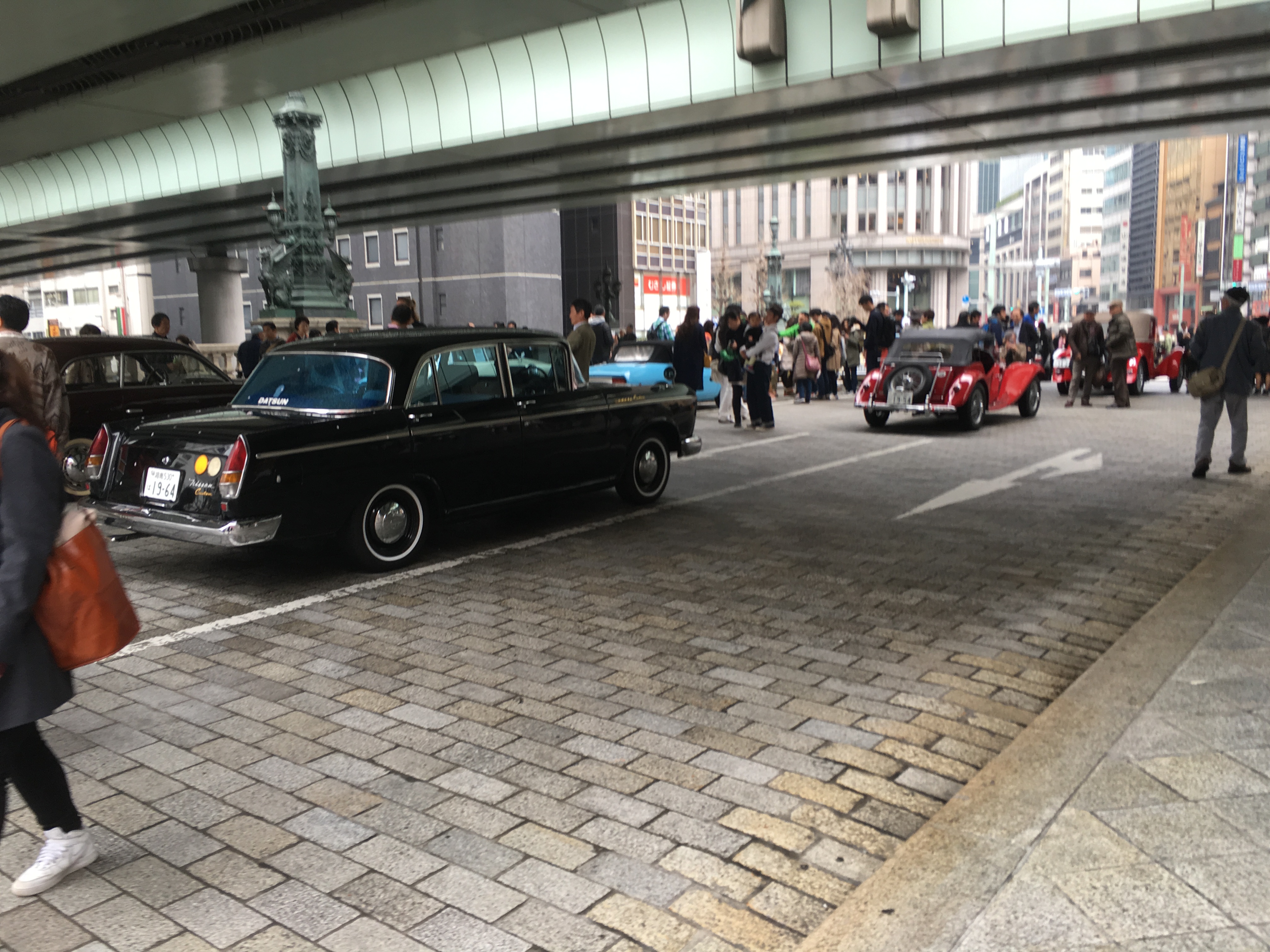
Located in central Tokyo, Nihonbashi is a district that blends Japan’s rich historical heritage with modern innovation. Its name means “Japan Bridge,” and the area has long served as a cultural and commercial hub since the Edo period.
Historical Significance
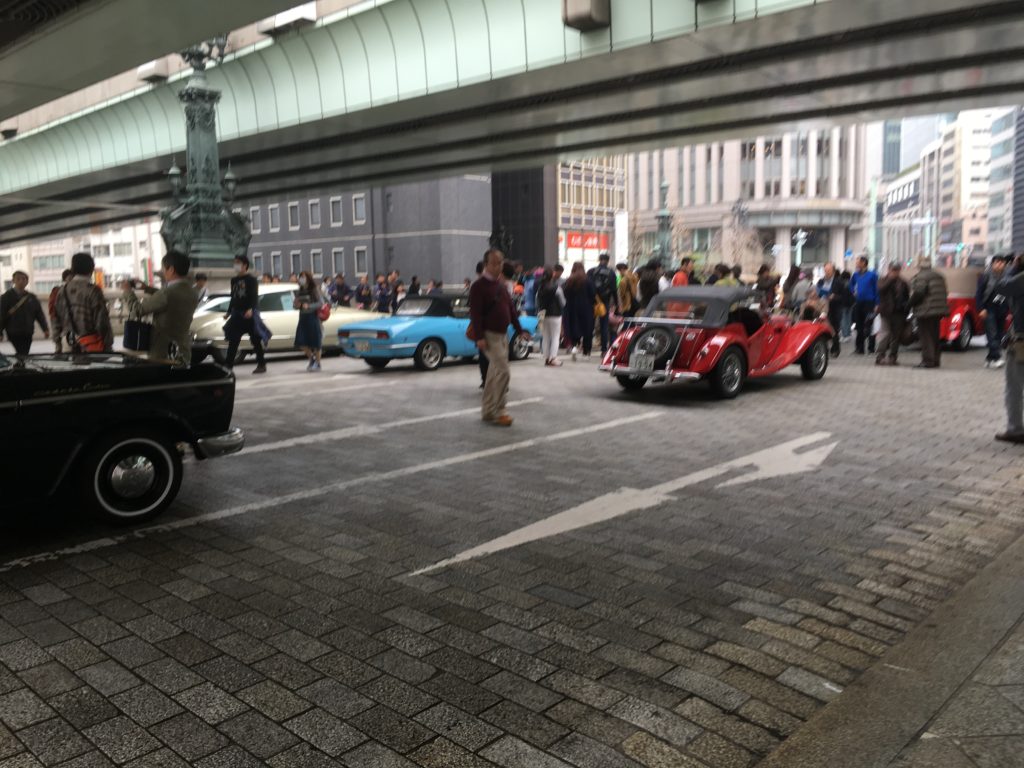
At the heart of Nihonbashi is the Nihonbashi Bridge, originally built in 1603. It was the official starting point of Japan’s five major roads (Gokaido) during the Edo period, making it the center of travel and commerce. A bronze marker still stands at the bridge, symbolizing the starting point of all road distances in Japan.
Nearby, Mitsukoshi Nihonbashi, Japan’s oldest department store founded in 1673, offers a glimpse into the evolution of Japanese retail. The building itself is an elegant fusion of classical and modern architecture, and its luxury goods continue to attract locals and tourists alike.
Modern Attractions
Today, Nihonbashi is a hub for business, fine dining, and culture. The area is home to stylish skyscrapers, restored historic buildings, and a growing number of art and tech spaces.
- COREDO Muromachi: A series of modern shopping and dining complexes that offer traditional crafts, sweets, and contemporary Japanese cuisine.
- Nihonbashi Information Center: Provides multilingual support, cultural tours, and experiences like kimono rentals and tea ceremonies.
Seasonal Events and Culture
Nihonbashi frequently hosts seasonal illuminations, art festivals, and traditional parades. Events like the Nihonbashi Sakura Festival in spring draw visitors to see digital cherry blossoms projected onto the bridge and surrounding streets.
Why Visit Nihonbashi?
It is a must-visit for travelers seeking to explore both historical roots and cutting-edge Tokyo. Whether you’re crossing the iconic bridge, enjoying local cuisine, or shopping in Japan’s oldest department store, it offers a unique and elegant blend of past and present.
Just a short walk from Tokyo Station, Nihonbashi is the perfect place to start your journey through Japan—just as it has been for centuries.