
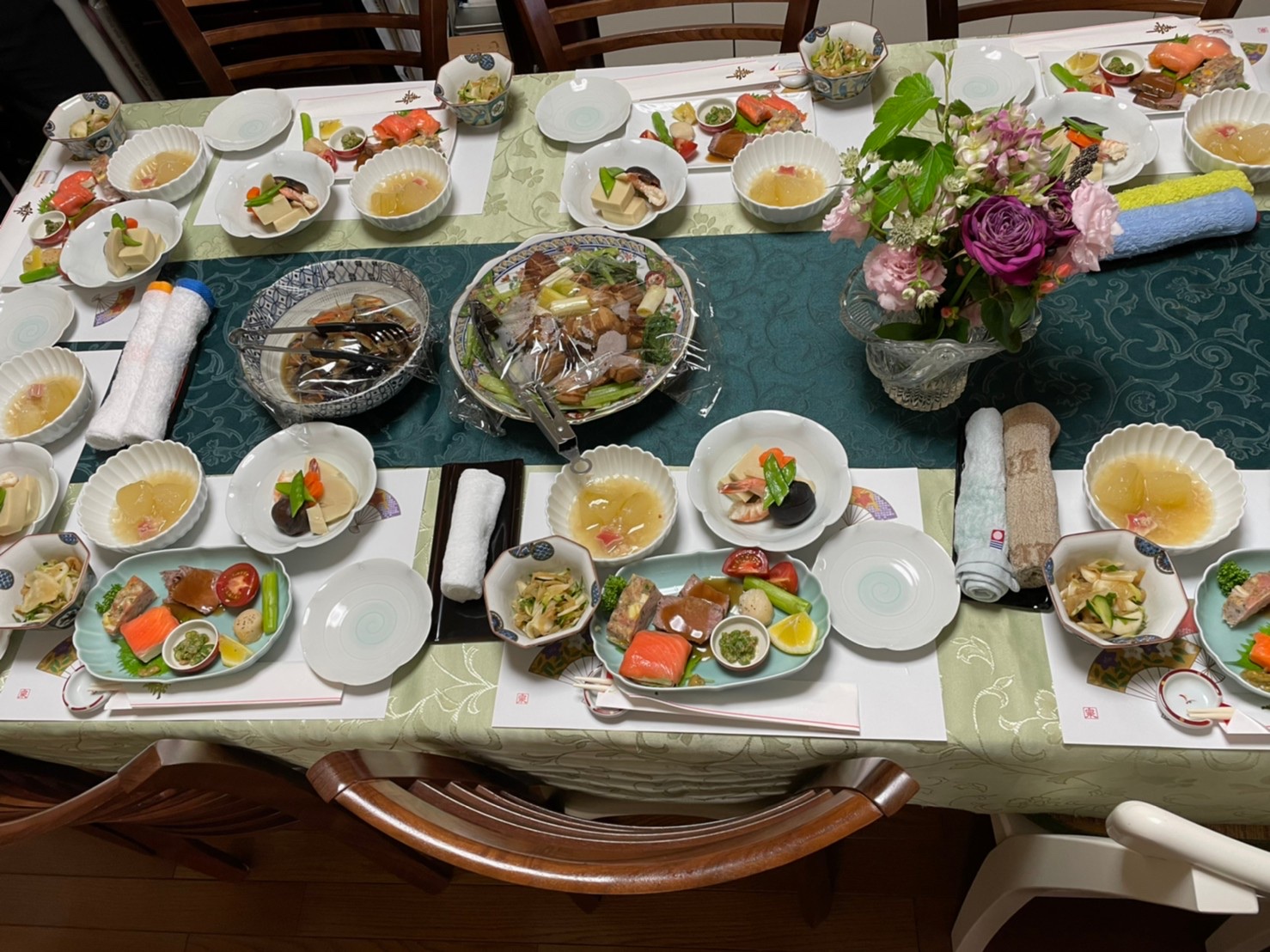
Dining in Japan is more than just enjoying food—it’s a cultural experience rich in traditions and respect. Following these etiquette tips will enhance your experience and show appreciation for Japanese customs.
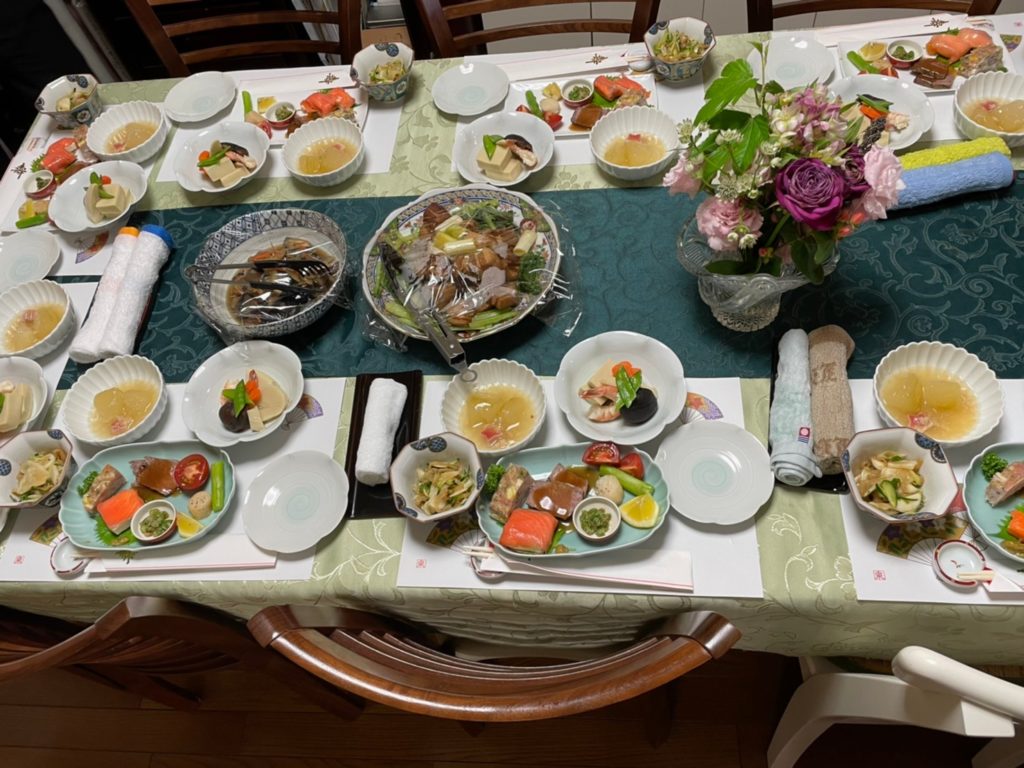
Before the Meal: Express Gratitude
Before eating a meal in Japan, it’s customary to say “Itadakimasu”, which translates to “I humbly receive.” This phrase expresses gratitude to everyone involved in preparing the meal, from the farmers to the chefs. It’s a simple yet meaningful way to appreciate the food and the effort behind it, reflecting Japan’s deep respect for nature and community. Saying “Itadakimasu” is more than just tradition—it’s a gesture of mindfulness and thanks.
Chopstick Etiquette
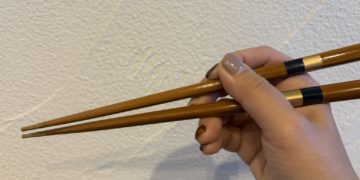
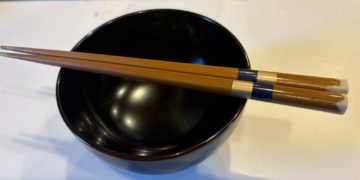
Chopsticks are an essential part of Japanese dining, and using them correctly shows respect for the culture. Always hold them near the thicker ends, not the tips, and avoid pointing them at people or waving them in the air. Never stick chopsticks upright in rice, as this resembles a funeral ritual. Instead, place them on a chopstick rest when not in use. By handling chopsticks properly, you demonstrate mindfulness and appreciation for the meal and Japanese dining etiquette.
Don’t Pour Your Own Drink
In Japan, it’s customary to pour drinks for others during meals, a practice that reflects thoughtfulness and hospitality. When pouring, hold the bottle with both hands to show respect. Allow others at the table to pour your drink in return, as pouring your own is considered impolite. This simple yet meaningful tradition fosters connection and gratitude, making shared meals even more enjoyable. It’s a beautiful way to participate in Japanese dining culture!
Slurping is Okay
In Japan, slurping noodles like ramen, soba, or udon is not only acceptable but encouraged! Slurping enhances the flavor and helps cool the noodles, allowing you to enjoy them at their best. It’s also seen as a way to show appreciation for the meal, especially in casual dining settings. While it may feel unusual for first-timers, slurping is a common and enjoyable part of Japanese noodle culture—so don’t hesitate to join in!
Rice Bowl Etiquette
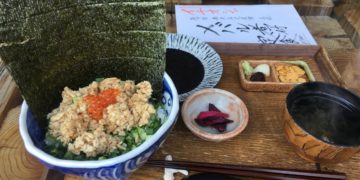
In Japan, rice is often served in a small bowl (chawan), and eating it correctly is part of dining etiquette. Hold the bowl in one hand and lift it close to your mouth while using chopsticks with the other hand. This prevents dropping grains and shows respect for the food. Avoid pouring soy sauce directly onto the rice, as it’s considered improper. Taking small, thoughtful bites reflects Japanese mindfulness during meals. Enjoy your rice with gratitude and care!
Clean Your Plate
In Japan, leaving food on your plate is considered wasteful and impolite. Finishing your meal shows appreciation for the effort behind the food’s preparation and respect for the ingredients. This practice, deeply rooted in Japanese culture, reflects gratitude and mindfulness. Whether dining at home or in a restaurant, eating everything on your plate is a simple yet meaningful way to honor Japan’s culinary traditions and the people who made your meal possible.
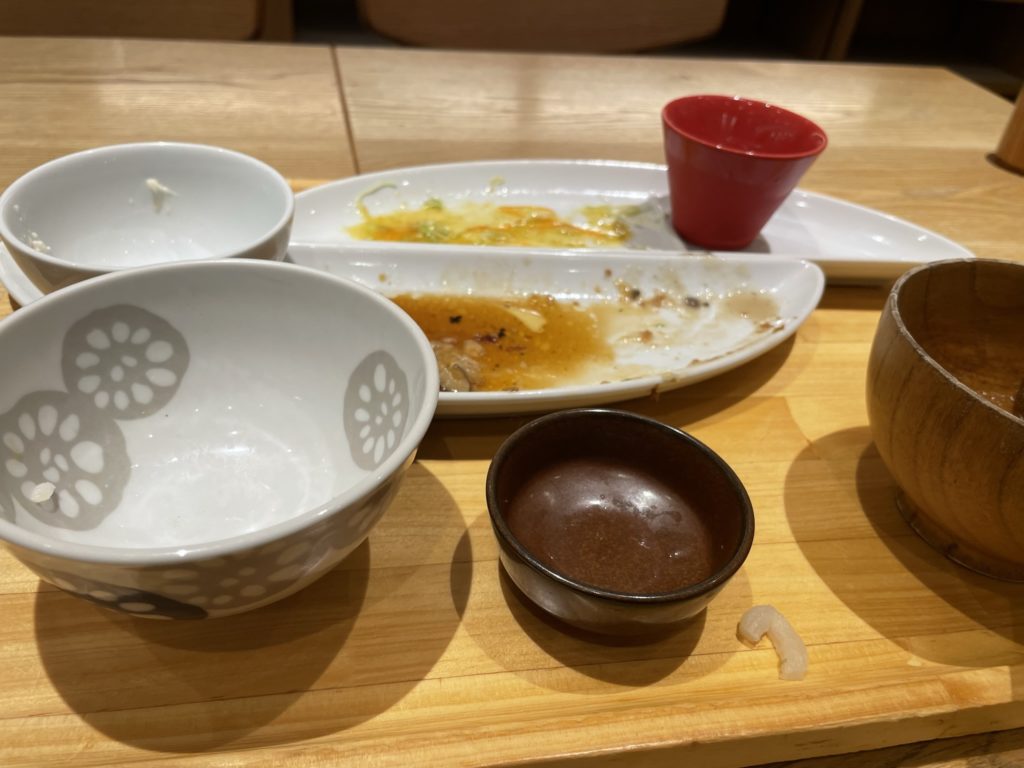
After the Meal: Show Appreciation
In Japan, it’s customary to say “Gochisousama deshita” after finishing a meal. This phrase, meaning “Thank you for the meal,” expresses appreciation to the chef, the ingredients, and everyone involved in the meal’s preparation. Whether at a restaurant or at home, saying “Gochisousama deshita” is a way to show gratitude and respect for the effort behind the food. It’s a beautiful reflection of Japan’s mindful dining culture.
Tipping is Not Customary
In Japan, tipping after a meal is not required and can even be seen as impolite. The cost of exceptional service is included in the price, and servers take pride in providing excellent hospitality without expecting extra payment. Instead of tipping, showing gratitude by saying “Gochisousama deshita” (Thank you for the meal) is appreciated. This custom reflects Japan’s emphasis on respect and professionalism in dining experiences.
Avoid Strong Scents
In Japan, wearing strong perfumes during meals is considered impolite. Japanese cuisine emphasizes delicate flavors and aromas, and overpowering scents can interfere with the enjoyment of the food for yourself and others. Instead, opt for subtle or no fragrance to fully appreciate the culinary experience. This mindful approach reflects Japan’s respect for harmony and the dining atmosphere.
Understanding and respecting Japanese dining etiquette will not only enhance your meal but also leave a positive impression on your hosts or companions. Enjoy the food, savor the culture, and immerse yourself in the beauty of Japanese dining traditions!