Kyoto is one of Japan’s most beautiful and historic cities, and its temples are a major reason why travelers from around the world come to visit. From peaceful Zen gardens to dramatic golden pavilions, Kyoto offers a wide variety of temple experiences that appeal to both first-time visitors and longtime fans of Japanese culture. However, with more than 1,500 temples in the city, it can be difficult to know which ones are truly worth seeing.
This guide introduces some of the best temples to visit in Kyoto—places that offer not only stunning scenery, but also deep cultural meaning and memorable experiences. Whether you are looking for calm meditation spaces, famous landmarks, or hidden gems away from the crowds, you’ll find helpful suggestions to plan the perfect Kyoto trip.
Let’s explore the temples that make Kyoto such a special destination.
Kinkaku-ji: The Golden Pavilion

Kinkaku-ji, also known as the Golden Pavilion, is one of Kyoto’s most famous landmarks. The top two floors of the temple are covered entirely in gold leaf, creating a bright reflection that shines across the surrounding pond. Many visitors come here to enjoy the beautiful contrast between the golden building and the calm natural setting. The temple grounds include walking paths, small shrines, and peaceful gardens that allow guests to slowly explore the area.
The best time to visit Kinkaku-ji depends on your preferences. In autumn, the red and orange leaves create a dramatic background. In winter, when snow falls lightly on the roof, the temple looks like a scene from a painting. Because the temple is very popular, mornings and weekdays are usually the best times to avoid crowds. Whether it is your first trip to Kyoto or a return visit, Kinkaku-ji always leaves a strong impression.
Fushimi Inari Taisha: The Famous Torii Gate Path
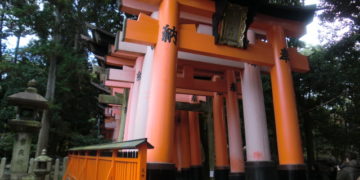
Fushimi Inari Taisha is known for its long path of thousands of bright red torii gates. These gates create a tunnel-like walkway that leads up the forested mountain behind the shrine. Many visitors enjoy walking through the gates, taking photos, and exploring the smaller shrines that appear along the trail. It is one of Kyoto’s most iconic spots and is especially popular with travelers from around the world.
The shrine is open 24 hours, which means you can visit early in the morning or in the evening to enjoy a quieter atmosphere. Sunrise is an especially beautiful time to walk the path, as sunlight shines through the gates and creates warm colors. The full hike to the top takes about two hours, but most visitors walk partway and return. Even a short visit gives you the chance to experience the magic of Fushimi Inari.
Kiyomizu-dera: A Temple With a View Over Kyoto

Kiyomizu-dera is famous for its large wooden stage that extends over the hillside and offers a wide view of Kyoto city. The temple’s main hall is built without using a single nail, making it an impressive example of traditional Japanese architecture. From the viewing deck, you can see seasonal scenery—cherry blossoms in spring, deep green trees in summer, colorful leaves in autumn, and crisp city views in winter.
The path leading to Kiyomizu-dera, known as Sannenzaka and Ninenzaka, is filled with small shops selling traditional sweets, souvenirs, and crafts. This area has a charming old-town atmosphere that makes the walk enjoyable. Visiting Kiyomizu-dera is not only about seeing a temple—it is also about experiencing an older side of Kyoto. Many visitors consider it one of the most memorable places in the city.
Ginkaku-ji: The Silver Pavilion and Its Zen Gardens
Ginkaku-ji, the Silver Pavilion, offers a quieter and more reflective temple experience. Unlike Kinkaku-ji, this temple is not actually covered in silver. Instead, it is known for its elegant simplicity and peaceful surroundings. The temple grounds feature a famous Zen garden with carefully shaped sand patterns and a beautiful moss garden that changes with the seasons.
A walking path leads you around the temple and up a small hill, where you can enjoy a gentle view of Kyoto. Ginkaku-ji is often less crowded than other famous temples, which makes it a perfect place for visitors who want to relax and enjoy a slower pace. The atmosphere encourages reflection, making it an excellent stop for travelers seeking quiet beauty.
Ryoan-ji: Kyoto’s Most Famous Rock Garden
Ryoan-ji is known around the world for its mysterious Zen rock garden. The garden contains fifteen stones placed in carefully arranged patterns on raked white gravel. From any viewing angle, one stone is always hidden, which has led many people to interpret the garden’s deeper meaning. Some say it represents islands, others think it symbolizes mountains or the flow of life. The garden invites visitors to sit quietly and simply observe.
The surrounding temple grounds include a peaceful pond, trees, and walking paths that provide a natural escape from the city. Because Ryoan-ji focuses on simplicity and stillness, it offers a very different experience from more colorful or busy temples. It is an ideal location for visitors who want to understand the meditative side of Japanese culture.