From majestic mountains and flower-filled fields to vibrant cities and fresh seafood markets, Hokkaido offers an endless list of attractions for every traveler. Whether you dream of wandering through lavender fields in Furano, tasting the freshest crab in Sapporo, or exploring the untouched wilderness of Shiretoko, Japan’s northernmost island delivers unforgettable experiences in every season. This guide introduces Hokkaido’s most famous places, seasonal highlights, and travel tips to help you make the most of your journey.
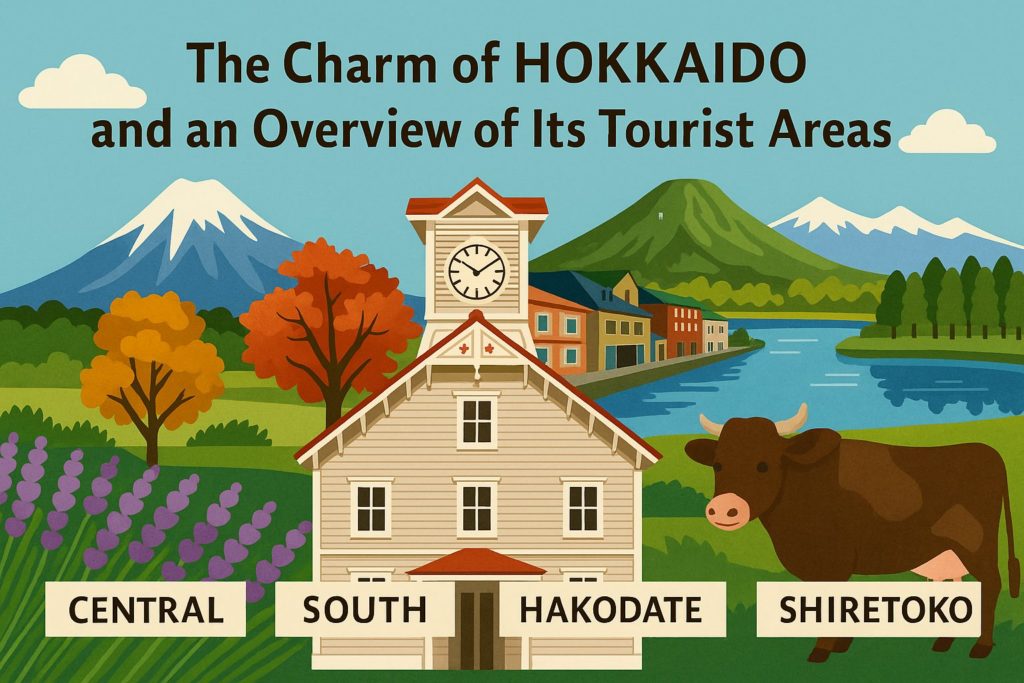
The Charm of Hokkaido and an Overview of Its Tourist Areas
Enjoying Nature and Sightseeing in Every Season
Hokkaido offers some of the most dramatic seasonal changes in all of Japan, making it a destination worth visiting year-round. In spring, cherry blossoms bloom later than in the rest of Japan, allowing visitors to enjoy hanami in scenic spots like Hakodate and Matsumae. Summer brings cooler temperatures and vibrant landscapes, such as the lavender fields of Furano and the rolling hills of Biei. Autumn transforms the mountains of Daisetsuzan and Shiretoko into breathtaking displays of red and gold foliage. Winter turns the island into a snowy wonderland, famous for events like the Sapporo Snow Festival and world-class ski resorts in Niseko. Each season offers its own unique beauty and activities, ensuring a fresh experience no matter when you visit.
Characteristics of Central, Southern, Eastern, and Northern Hokkaido
Because Hokkaido is vast, it is often divided into four major regions, each with its own distinct appeal:
- Central Hokkaido (Dōō): Home to Sapporo, Otaru, and Furano, this area offers a balanced mix of city attractions, gourmet dining, flower gardens, and relaxing hot springs.
- Southern Hokkaido (Dōnan): Known for its historic port towns like Hakodate and its rich cultural heritage. Visitors enjoy fresh seafood, vibrant morning markets, and panoramic night views.
- Eastern Hokkaido (Dōtō): Famous for its unspoiled nature and wildlife, this region features the UNESCO World Heritage site of Shiretoko, Kushiro Wetlands, and drift ice sightseeing in Abashiri.
- Northern Hokkaido (Dōhoku): The northernmost part of Japan, offering pristine landscapes, summer flower fields, and the remote beauty of islands like Rishiri and Rebun.
Key Tips for First-Time Visitors to Hokkaido
For first-time travelers, understanding the scale of Hokkaido is essential—distances between cities can be much longer than expected. Planning a trip that focuses on one or two regions allows for a more relaxed and fulfilling itinerary. For example, a Central Hokkaido route could include Sapporo, Otaru, and Furano, while a Southern Hokkaido trip might center around Hakodate and nearby attractions. Seasonal highlights should guide your itinerary—lavender fields in summer, drift ice in winter, or cherry blossoms in spring. Renting a car can greatly enhance your trip, especially for reaching scenic spots that are less accessible by public transport.
Must-Visit Famous Tourist Spots in Hokkaido
Sapporo (Odori Park, Clock Tower, Susukino)
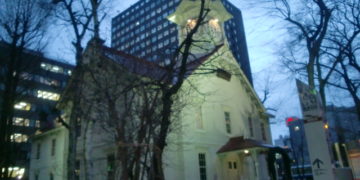
The capital of Hokkaido blends urban convenience with natural beauty. Odori Park stretches through the city center, hosting seasonal events such as the Sapporo Snow Festival. The Clock Tower, one of the city’s most iconic buildings, offers a glimpse into Hokkaido’s pioneer history. At night, Susukino comes alive with neon lights, izakayas, and ramen shops, making it perfect for food lovers.
Otaru (Canal and Retro Townscape)
A short train ride from Sapporo, Otaru is famous for its romantic canal lined with gas lamps and stone warehouses. The city’s historic district offers charming streets filled with glassware shops, music box stores, and dessert cafés. Fresh sushi and seafood are must-tries here, thanks to its roots as a bustling port town.
Furano & Biei (Flower Fields and Scenic Drives)
In summer, Furano is blanketed with lavender fields that create a purple horizon, while Biei features rolling hills, patchwork farms, and picturesque spots like the Blue Pond. Both areas are perfect for leisurely drives and photography, especially in the warm months.
Asahikawa (Asahiyama Zoo and Nearby Attractions)
Hokkaido’s second-largest city is home to Asahiyama Zoo, renowned for its innovative enclosures that let visitors see animals from unique perspectives. The city also serves as a gateway to Daisetsuzan National Park, a haven for hiking, hot springs, and autumn foliage.
Noboribetsu Onsen (Hell Valley and Hot Spring Town)
Noboribetsu Onsen is Hokkaido’s most famous hot spring resort, offering various mineral-rich baths. Jigokudani (Hell Valley) features dramatic volcanic landscapes with steaming vents and sulfurous streams, creating an otherworldly experience just a short walk from the hot spring hotels.
Hakodate (Night View, Morning Market, Motomachi)
Known for one of the world’s most stunning night views from Mount Hakodate, the city also offers fresh seafood at the Hakodate Morning Market. The Motomachi area showcases Western-style architecture from the late 19th century, reflecting the city’s history as an international port.
Shiretoko (World Natural Heritage Wilderness)
A UNESCO World Heritage Site, Shiretoko Peninsula is a paradise for wildlife enthusiasts and nature lovers. Visitors can explore pristine coastlines, waterfalls, and forests, as well as spot brown bears, deer, and even drift ice in winter.
Abashiri (Drift Ice and Museum)
Abashiri is famous for winter drift ice that floats in from the Sea of Okhotsk. The Okhotsk Ryuhyo Museum offers an interactive experience, allowing visitors to touch real ice even in summer. Drift ice cruises in winter are an unforgettable highlight.
Kushiro Wetlands (Canoeing and Red-Crowned Crane Watching)
Japan’s largest wetland area, Kushiro Wetlands offers canoeing along tranquil rivers and the chance to spot the elegant tancho (red-crowned cranes), especially in winter. The region’s unspoiled beauty is ideal for eco-tourism.
Wakkanai (Northernmost Town and Rishiri & Rebun Islands)
As Japan’s northernmost city, Wakkanai offers sweeping ocean views and a gateway to the remote Rishiri and Rebun Islands, known for alpine flowers and hiking trails. The area’s cool climate and untouched landscapes make it a peaceful escape.
Seasonal Highlights of Hokkaido’s Famous Places
Spring: Cherry Blossom Spots and Fresh Green Hiking
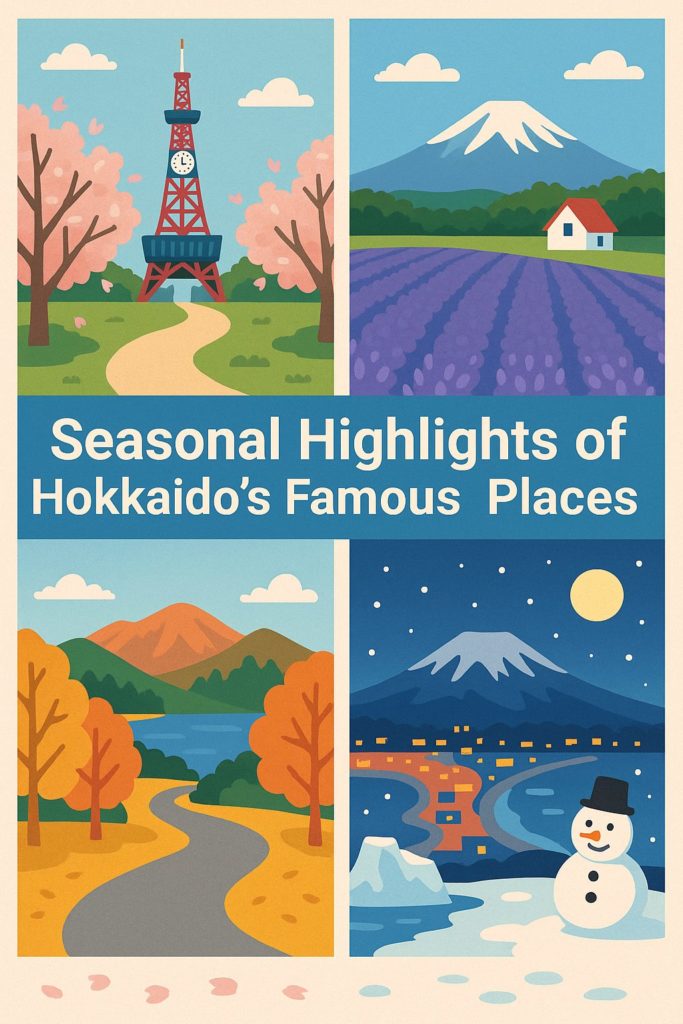
Spring in Hokkaido comes later than the rest of Japan, with cherry blossoms typically blooming from late April to mid-May. Popular viewing spots include Matsumae Park, with over 10,000 cherry trees, and Goryokaku Park in Hakodate, where the star-shaped fort is surrounded by pink blossoms. Beyond cherry blossoms, spring is perfect for fresh green hiking in places like Shikotsu-Toya National Park and Daisetsuzan National Park, where mountain trails come alive with budding leaves and wildflowers.
Summer: Lavender Fields and Cool Summer Retreats
From late June to early August, Furano’s lavender fields are at their peak, filling the air with a sweet aroma and painting the hills purple. Biei’s patchwork hills also burst with color during summer, making them ideal for scenic drives and cycling. For a cooler retreat, head to Lake Shikotsu or Rishiri and Rebun Islands, where refreshing sea breezes and alpine flowers offer a comfortable escape from Japan’s mainland heat.
Autumn: Autumn Foliage Drives and Seasonal Delicacies
Autumn in Hokkaido, from late September to October, is a feast for the senses. Jozankei Onsen near Sapporo offers breathtaking foliage along the Toyohira River, while the Shiretoko Five Lakes and Onneto Lake are known for their brilliant red and gold reflections. Seasonal delicacies like sanma (Pacific saury), salmon, and pumpkin dishes appear on menus, making autumn both a visual and culinary delight.
Winter: Snow Festivals, Ski Resorts, and Drift Ice
Winter transforms Hokkaido into a snowy wonderland. The Sapporo Snow Festival in February features massive ice and snow sculptures that attract visitors worldwide. Ski enthusiasts can enjoy world-class powder snow at resorts like Niseko, Furano, and Rusutsu. In the east, drift ice tours in Abashiri and Shiretoko provide a unique natural spectacle, where the Sea of Okhotsk freezes over, creating breathtaking landscapes for sightseeing and photography.
Hokkaido Gourmet to Enjoy Alongside Sightseeing
Seafood (Crab, Salmon Roe, Sea Urchin)
Hokkaido is a paradise for seafood lovers, and no trip is complete without indulging in its freshest catches. King crab, snow crab, and hairy crab are the stars of winter, often served as succulent boiled crab, grilled legs, or in luxurious crab hot pots. Ikura (salmon roe) bowls overflow with jewel-like orange pearls, bursting with briny sweetness, while uni (sea urchin) offers a rich, creamy taste of the sea. Visitors can savor these delicacies at morning markets in Sapporo, Hakodate, and Kushiro, where the seafood comes straight from local fishing ports.
Jingisukan, Ramen, and Soup Curry
For a hearty meal, jingisukan—a grilled lamb dish named after Genghis Khan—is a must-try. Served on a dome-shaped grill with vegetables, it’s especially popular in beer gardens like the Sapporo Beer Museum. Hokkaido also boasts unique regional ramen varieties: miso-based Sapporo ramen, shio (salt) ramen from Hakodate, and soy-based Asahikawa ramen, each with its own distinct flavor profile. Another Hokkaido-born specialty is soup curry, a spiced, soupy broth filled with vegetables, meat, and rice on the side—perfect for warming up on cold days.
Seasonal Sweets and Dairy Delights
Hokkaido’s lush pastures and cool climate produce some of Japan’s finest dairy products. Soft-serve ice cream made from fresh local milk is a treat you can find year-round, but especially enjoyable in summer at farm cafés in Furano or Biei. Seasonal sweets like melon parfaits in summer, pumpkin pies in autumn, and cream puffs filled with rich custard draw dessert lovers from far and wide. Iconic brands such as Shiroi Koibito cookies and Royce’ chocolates make perfect souvenirs to take a taste of Hokkaido home.
Access & Accommodation Tips for a Comfortable Hokkaido Trip
Transportation Between Areas (Car Rental, Train, Plane)
Hokkaido is vast—about the size of Austria—so choosing the right transportation is key. Car rental is the most flexible option, allowing you to explore scenic drives like Biei’s patchwork hills or the coastal routes of Shiretoko at your own pace. Major airports such as New Chitose, Asahikawa, and Kushiro make domestic flights a time-saving choice for covering long distances. The JR Hokkaido railway network connects major cities like Sapporo, Hakodate, and Asahikawa, with scenic trains like the “Furano Lavender Express” offering a relaxed, picturesque journey. For budget-conscious travelers, long-distance buses link most regions at lower fares.
Choosing the Right Accommodation Area (Sapporo Base or Round Trip)
If it’s your first time in Hokkaido or you’re visiting in winter, Sapporo is a convenient base thanks to its transport links, wide range of hotels, and proximity to ski resorts like Niseko and Otaru. Travelers on a round-trip itinerary may prefer staying in different cities each night to reduce travel time—such as starting in Sapporo, then moving to Asahikawa, Furano, or Hakodate. Coastal towns like Kushiro or Abashiri offer unique local stays, from onsen ryokan to seaside guesthouses, perfect for immersing yourself in regional culture.
Sample Model Courses Combining Sightseeing and Accommodation
A 4-day model course might include:
- Day 1–2: Sapporo sightseeing and Otaru day trip (stay in Sapporo)
- Day 3: Train or car to Asahikawa, visit Asahiyama Zoo and nearby hot springs (stay in Asahikawa)
- Day 4: Scenic drive through Biei and Furano before returning to Sapporo
For longer trips, you could explore Southern Hokkaido (Hakodate, Onuma Park) combined with Eastern Hokkaido (Shiretoko, Kushiro Marshlands) using a mix of flights and car rentals. Planning accommodations based on your route helps maximize sightseeing while minimizing travel fatigue.