

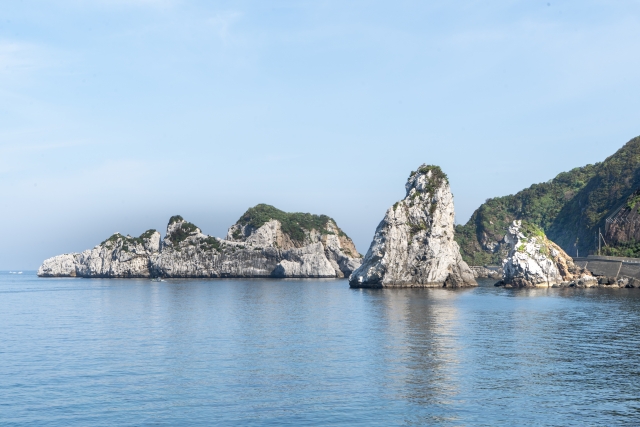
Wakayama is a treasure trove of breathtaking coastlines, sacred mountains, and unique cultural sites. But many of its most stunning spots are scattered across the prefecture, making a car the perfect way to explore them. Whether you want to relax in Shirahama’s hot springs, marvel at the majestic Nachi Waterfall, or experience the spiritual atmosphere of Mount Koya, driving gives you the freedom to see it all at your own pace. In this guide, we’ll introduce car-friendly model courses that save you time, include realistic travel distances, and feature both must-see landmarks and hidden gems. You’ll also find practical tips on parking, scenic driving routes, seasonal highlights, and local food stops along the way. With these itineraries, you can enjoy a smooth, flexible, and unforgettable road trip through Wakayama—no matter if you have just one day or a full weekend to spare.
The Charm and Benefits of Exploring Wakayama by Car

Why a Wakayama Road Trip Is So Special
Driving through Wakayama is like flipping through a picture book of ever-changing landscapes. One moment, you’re hugging a coastline where the Pacific Ocean glitters under the sun; the next, you’re winding through emerald mountains that seem to touch the clouds. Traveling by car means you control the pace—no rushing for trains, no dragging luggage through crowded stations. You can bring along picnic baskets, beach gear, or even a change of clothes for a spontaneous hot spring stop. Every turn on the road becomes part of the adventure.
Reach Hidden Spots Public Transport Can’t Access
Some of Wakayama’s most unforgettable spots are tucked away from train and bus routes. With a car, you can reach secluded hot springs in the Kii mountains, small coastal shrines that face the open sea, and lookout points where cliffs drop dramatically into turquoise waters. You can pull over at a deserted cape to watch the sun melt into the horizon, or follow winding lanes to a tiny seafood shack known only to locals. These off-the-beaten-path discoveries often become the stories you tell long after your trip ends.
Best Driving Seasons in Wakayama
Each season in Wakayama brings its own beauty—and a road trip lets you enjoy it on your terms. In spring, cherry blossoms frame rivers, temples, and castles in soft pink clouds. Summer’s turquoise seas in Shirahama and Kushimoto invite swims and snorkeling. Autumn turns the mountain passes into tunnels of gold and crimson, perfect for leisurely drives. Winter offers steaming open-air hot springs by the sea, where you can soak while listening to waves crash on the shore. Whenever you visit, the road will guide you to moments that match the season’s charm.
Must-See Spots in Wakayama for a Car Trip
Nanki Shirahama Area
Famous for its white sandy beaches, Nanki Shirahama is one of Japan’s most popular seaside resorts. Shirarahama Beach is perfect for swimming in summer or for a peaceful stroll in the off-season. Just a short drive away, you’ll find the dramatic rock formations of Senjojiki, where layered sandstone spreads out like a giant stone tatami mat, and Sandanbeki Cliffs, offering breathtaking views of waves crashing against 50-meter-high walls. End your day with a soak in Shirahama Onsen, one of Japan’s oldest hot springs, where you can relax while gazing at the ocean.
Kumano Kodo & Nachikatsuura Area
This UNESCO World Heritage area combines spiritual history with natural beauty. Drive to the majestic Nachi Waterfall, Japan’s tallest single-drop waterfall, and visit Kumano Nachi Taisha, a grand shrine surrounded by centuries-old cedar trees. The Kumano Kodo pilgrimage routes are perfect for short hikes, allowing you to walk in the footsteps of ancient travelers. Don’t miss the Katsuura Fish Market, where you can watch giant tuna auctions or enjoy fresh sashimi right by the harbor.
Mount Koya & Hashimoto Area
Mount Koya is the heart of Shingon Buddhism and offers a deeply spiritual experience. The main temple, Kongobu-ji, is known for its serene rock gardens, while Okunoin Cemetery, lined with towering cedar trees and historic gravestones, is one of the most atmospheric spots in Japan. Many travelers choose to stay in a shukubo (temple lodging), where you can experience monk-led meditation, morning prayers, and traditional vegetarian Buddhist cuisine. The surrounding Hashimoto area serves as a quiet gateway, with scenic mountain roads perfect for a contemplative drive.
Arida, Kainan & Wakayama City Area
Closer to Osaka, this area offers a mix of history, nature, and seaside charm. Tomogashima Island, accessible by ferry from Kainan, is dotted with ruins that give it a mysterious “Laputa” vibe. In Wakayama City, explore Wakayama Castle, which offers panoramic views from its hilltop keep. Nearby, the old merchant town of Kuroe is famous for its traditional lacquerware and charming streets. This region is perfect for a shorter road trip, combining cultural exploration with scenic seaside drives.
1-Night & Day Trip Model Courses with Driving Times

1-Night, 2-Day Model Course (Shirahama + Kumano Kodo)
Day 1: Start your journey in Shirahama, about a 2.5-hour drive from Osaka. Spend your morning enjoying Shirarahama Beach, then head to Senjojiki and Sandanbeki Cliffs for dramatic coastal views. In the afternoon, relax in Shirahama Onsen, where many hotels offer ocean-view baths. Overnight in Shirahama.
Day 2: Drive about 2 hours to Nachikatsuura, stopping at Nachi Waterfall and Kumano Nachi Taisha for a blend of spiritual and natural beauty. If time allows, walk a short section of the Kumano Kodo pilgrimage route to experience its serene atmosphere. Return to Osaka in about 4.5 hours, or stay overnight in the area for a slower pace.
Day Trip Model Course (Wakayama City + Mount Koya)
Morning: From Osaka, drive about 1 hour to Wakayama City. Visit Wakayama Castle, where the keep offers panoramic views of the city and the sea. Then stroll through Kuroe, a traditional lacquerware town with charming streets and craft shops.
Afternoon: Drive about 1.5 hours into the mountains to Mount Koya. Visit Kongobu-ji Temple and the atmospheric Okunoin Cemetery. If time permits, enjoy a tea break in a temple café before heading back to Osaka in around 2 hours.
Scenic Routes for Driving Enthusiasts
For those who love the journey as much as the destination, Wakayama offers some of Japan’s most beautiful drives. The Route 42 coastal road from Shirahama to Kushimoto hugs the Pacific Ocean, with countless scenic viewpoints perfect for photo stops. Alternatively, explore the mountain routes of the Kii Peninsula, where winding roads pass through cedar forests, mountain passes, and small rural villages. These routes offer a peaceful escape, especially in autumn when the foliage turns brilliant shades of red and gold.
Practical Tips for a Comfortable Road Trip
Parking, Access, and How to Avoid Crowds
Many popular attractions in Wakayama offer both paid and free parking, but spaces can fill up quickly during weekends and holidays. For smoother access, aim to arrive early in the morning—this not only guarantees a parking spot but also lets you enjoy the sights in a quieter atmosphere. In coastal areas like Shirahama or Nachikatsuura, parking lots near the main attractions may charge by the hour, while smaller rural spots often offer free spaces. Having a navigation app that shows real-time parking availability can save you time and stress.
Expressway Tolls and Gasoline Costs
Driving in Wakayama often involves using expressways, especially if you’re coming from Osaka or Nara. The total toll cost for a round trip can vary depending on the route, but using an ETC (Electronic Toll Collection) card can unlock discounts that make a noticeable difference. Gasoline prices in Wakayama are generally similar to the national average, but rural areas may have fewer stations—especially late at night—so it’s wise to refuel when you have the chance. For longer routes through the mountains, plan fuel stops in advance to avoid unnecessary detours.
Roadside Stations and Local Food Stops
Wakayama’s roadside stations, known as Michi-no-Eki, are perfect for combining rest breaks with local food experiences. These stations often sell fresh regional produce, souvenirs, and quick meals. For example, you might find ume (pickled plums) in Minabe, fresh tuna sashimi near Nachikatsuura, or citrus desserts in Arida. Many also have clean restrooms, free tourist maps, and picnic areas, making them convenient spots to recharge before hitting the road again. Incorporating a few Michi-no-Eki stops into your itinerary adds both comfort and flavor to your trip.
Tips to Make Your Wakayama Road Trip Even Better
Seasonal Clothing and Essentials
Wakayama’s climate changes significantly with the seasons, so packing smart will make your trip more comfortable. In summer, bring strong sunscreen, sunglasses, and a hat to protect yourself from the intense sun—especially on the coast. A light long-sleeve shirt can help prevent sunburn while keeping you cool. In winter, mountain areas like Mount Koya can be much colder than the coast, so pack warm layers, gloves, and a scarf. Rain is possible year-round, so a compact umbrella or rain jacket is always useful, particularly if you plan to explore outdoor sites.
Tips for Families, Seniors, and Couples
If you’re traveling with children, plan frequent stops at parks, roadside stations, or beaches so they can stretch and play. Choose attractions with short walking distances or easy parking. For senior travelers, focus on destinations with minimal stairs and good accessibility, such as Wakayama Castle’s elevator-equipped areas or coastal viewpoints close to parking lots. Couples might enjoy more relaxed, scenic routes with time for café breaks, sunset viewing, and romantic walks along the shore. Adjusting your pace and activities to your travel group’s needs will make the trip more enjoyable for everyone.
Photo Spots to Capture Your Memories
Wakayama is full of picture-perfect locations that will make your trip unforgettable. For dramatic nature shots, the cliffs of Sandanbeki or the vast rock formations of Senjojiki are ideal. If you want a romantic or serene vibe, head to Shirarahama Beach at sunset, where the sky turns pink and gold. For cultural and historical photos, Mount Koya’s Okunoin Cemetery offers a mystical atmosphere, especially in the early morning mist. Don’t forget to capture candid moments at local markets, roadside food stalls, or quiet fishing ports—these snapshots often hold the most personal memories.


