Thursday, January 22, 2026
  • Login
Kuokoaday: Discover Japan
  • Destination
    • Tokyo
    • Osaka
    • Kyoto
    • Hokkaido
    • Fukuoka
    • Okinawa
    • All areas
  • Tips
    • Transportation
    • Shopping and Souvenirs
    • All categories
  • Things To Do
    • Japanese food
    • Historical Spots
    • All categories
  • Culture
    • Traditional Culture
    • All categories
  • Travel News
    • Latest news in Japan
    • Seasonal and Annual events
    • All categories
No Result
View All Result
  • Destination
    • Tokyo
    • Osaka
    • Kyoto
    • Hokkaido
    • Fukuoka
    • Okinawa
    • All areas
  • Tips
    • Transportation
    • Shopping and Souvenirs
    • All categories
  • Things To Do
    • Japanese food
    • Historical Spots
    • All categories
  • Culture
    • Traditional Culture
    • All categories
  • Travel News
    • Latest news in Japan
    • Seasonal and Annual events
    • All categories
No Result
View All Result
Kuokoaday: Discover Japan
No Result
View All Result

ホーム » Culture » Traditional culture » Chado: The Japanese Way of Tea

Chado: The Japanese Way of Tea

Kuokoaday by Kuokoaday
2024-08-12 - Updated on 2025-07-11
in Traditional culture
Chado: The Japanese Way of Tea

Chado, also known as the Japanese tea ceremony, is much more than a drink preparation ritual; it is a profound cultural and spiritual activity that embodies harmony, respect, purity, and tranquility. This ceremony, deeply rooted in Zen Buddhism, is a meditative practice that highlights the art of tea as a bridge to inner peace and understanding.

Table Of Contents
  1. Origins of Chado
  2. The Principles of Chado
  3. Elements of the Tea Ceremony
  4. The Ritual
  5. Experiencing Chado as a Visitor

Origins of Chado

The Japanese tea ceremony, or Chanoyu, originated in the 9th century when Buddhist monks brought tea from China. Initially used for religious rituals, tea became a symbol of refinement in the Muromachi period (1336–1573). Murata Juko, a Zen monk, established the foundational principles of wabi-cha, emphasizing simplicity and spiritual focus. Later, Sen no Rikyu, in the 16th century, perfected the tea ceremony as an art form, blending Zen philosophy with aesthetics. Today, the tea ceremony remains a cherished cultural practice reflecting mindfulness, harmony, and respect.

The Principles of Chado

The tea ceremony is built around four basic principles—harmony; Harmony between the participants, the utensils, and nature is essential, creating a peaceful atmosphere. (wa), respect; Respect for each other, the host, and the tea ceremony itself is at the heart of the practice. (kei), purity; Purity refers to cleanliness, not just of the utensils but also of the mind and environment. (sei), and tranquility; Tranquility is achieved through mindfulness and calmness, allowing participants to experience inner peace during the ceremony. (jaku). Each principle guides not only the preparation and consumption of tea but also the interactions between hosts and guests, creating an atmosphere of peace and mindfulness.

Elements of the Tea Ceremony

Tea Room: The traditional setting for a tea ceremony is a purpose-built room or a tea house in a garden. These spaces are designed to evoke a sense of peace and are often minimalist in style.

Utensils: Special tools are used, including the chawan (tea bowl), chasen (bamboo whisk), chashaku (tea scoop), and the tea kettle. Each item has its role and is treated with great care.

Matcha: The ceremony typically involves matcha, a powdered green tea that is whisked with hot water to form a froth. Matcha is known for its health benefits and bitter flavor.

Kaiseki: Some formal versions of the tea ceremony include a kaiseki meal, a multi-course meal that complements the philosophical and aesthetic components of the ceremony.
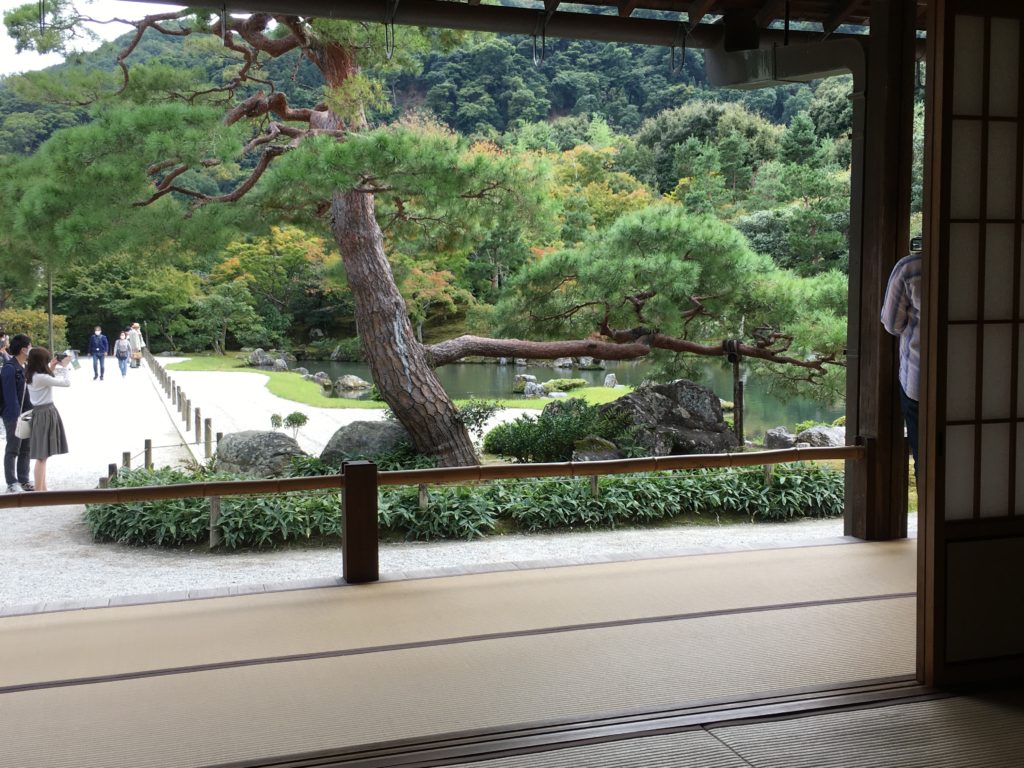
Tea Room
Tea Room
Matcha
Matcha

The Ritual

A full tea ceremony can last up to four hours, involving a meal and two servings of tea. The process is highly choreographed, from the greeting of guests to the cleaning and handling of utensils. Each motion is deliberate, reflecting the Zen philosophy of mindfulness and the beauty of simplicity.

Experiencing Chado as a Visitor

For visitors to Japan, participating in a tea ceremony can be an enlightening experience. Many tea houses in Kyoto, Tokyo, and other cities offer sessions for tourists, providing a glimpse into this serene and meditative world.

The Japanese tea ceremony is an artistic expression of hospitality and a spiritual voyage into the essence of Zen philosophy. It encourages an appreciation of the fleeting moments and fosters a deep connection with others and the surrounding world. Whether you are a long-time practitioner or a curious traveler, the tea ceremony offers a unique and profound way to connect with Japanese culture.
Tags: Traditional culture
Kuokoaday

Kuokoaday

Related Posts

Daimyo vs Shogun: Roles, Power, and How Their Relationship Shaped Japan
Traditional culture

Daimyo vs Shogun: Roles, Power, and How Their Relationship Shaped Japan

2024-10-22 - Updated on 2025-12-13
japanese history
Traditional culture

Japanese Tsunami History: Major Disasters and Lessons Learned

2024-08-12 - Updated on 2025-10-01
Choosing the Right Furoshiki Size for Wrapping Kimono: A Practical Guide
Japanese fashion

Choosing the Right Furoshiki Size for Wrapping Kimono: A Practical Guide

2024-08-12 - Updated on 2025-08-30
Kanzashi: The Traditional Japanese Hair Ornaments
Japanese fashion

Kanzashi: The Traditional Japanese Hair Ornaments

2024-08-12 - Updated on 2025-07-11
The Three Major Schools of Ikebana: Discovering Japan’s Traditional Flower Art
Traditional culture

The Three Major Schools of Ikebana: Discovering Japan’s Traditional Flower Art

2024-08-12 - Updated on 2025-08-24
Sumo Wrestler Salary: How Much Rikishi Earn and Why Rank Matters
Traditional culture

Sumo Wrestler Salary: How Much Rikishi Earn and Why Rank Matters

2024-08-12 - Updated on 2025-12-08
Next Post
Chopstics Meaning: What It Really Refers to and Why It Matters

Chopstics Meaning: What It Really Refers to and Why It Matters

Rakuten Travel Experiences
Kuokoaday: Discover Japan

© 2024 Kuokoaday - Premium WordPress news & magazine theme by Kuokoaday.

  • About Kuokoaday
  • Contact us
  • Privacy & Policy
  • Navigation map

Welcome Back!

Login to your account below

Forgotten Password?

Retrieve your password

Please enter your username or email address to reset your password.

Log In
No Result
View All Result
  • Destination
    • Tokyo
    • Osaka
    • Kyoto
    • Hokkaido
    • Fukuoka
    • Okinawa
    • All areas
  • Tips
    • Transportation
    • Shopping and Souvenirs
    • All categories
  • Things To Do
    • Japanese food
    • Historical Spots
    • All categories
  • Culture
    • Traditional Culture
    • All categories
  • Travel News
    • Latest news in Japan
    • Seasonal and Annual events
    • All categories

© 2024 Kuokoaday - Premium WordPress news & magazine theme by Kuokoaday.